13 Reactive Dog Mistakes to Avoid
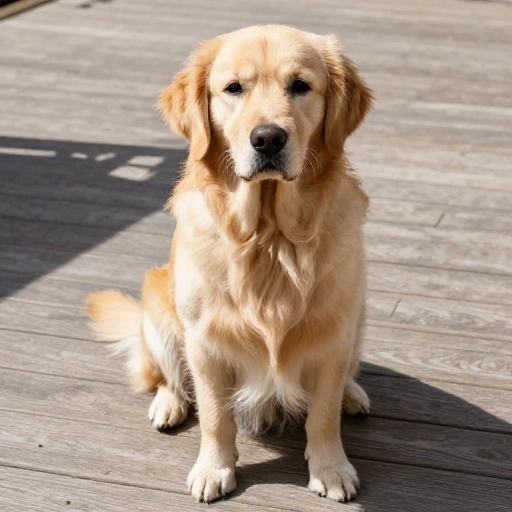
Living with a reactive dog can feel like walking on eggshells. One moment your pup is calm, the next they’re lunging, barking, or spinning like a tornado. I have been there, standing on a quiet street, heart racing, while my dog loses it over a squirrel three blocks away.
It is easy to blame the dog. But the truth is, we often make small mistakes that make reactivity worse. I have made almost all of them. Here are the 13 reactive dog mistakes you need to stop making today, so you can both breathe a little easier.
1. Punishing the Growl
A growl is not bad behavior. It is your dog’s way of saying “I am uncomfortable.” When you punish a growl, you take away that warning signal. The next time, your dog may skip the growl and go straight to a bite.
Instead, thank your dog for telling you how they feel. Then, create more space. Move away from whatever is stressing them. You are teaching them that you listen.
2. Forcing Unwanted Greetings
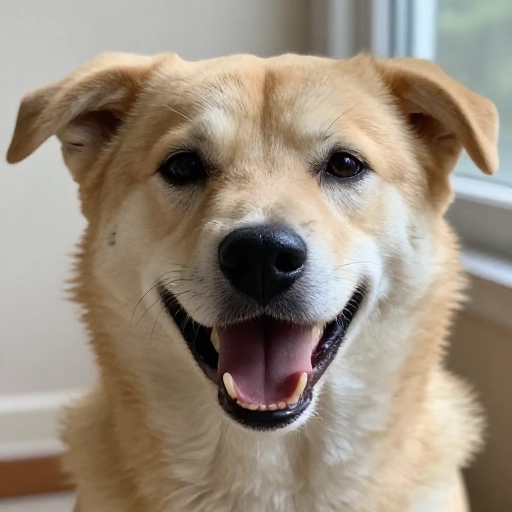
I used to think my dog needed to meet every dog and person to “get over it.” That only backfired. Forcing your reactive dog into greetings floods them with fear. They learn that strangers are unpredictable and scary.
Let your dog choose. If they show any sign of stress—stiff body, whale eye, lip lick—do not make them say hello. A polite “no thank you” is always okay.
3. Walking Right Up to Threshold
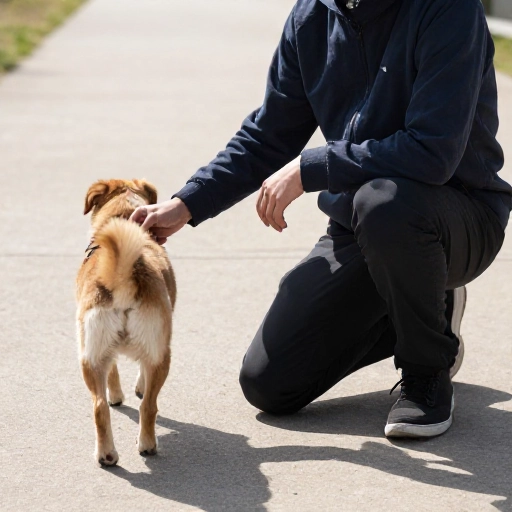
The “threshold” is the distance at which your dog can still notice a trigger but stay calm. Most people walk too close, too fast. Your dog goes over threshold, and then you wonder why they explode.
Stay far away. If your dog is reacting, you are too close. Cross the street, take a different route, or turn around. Distance is your best friend.
4. Using a Retractable Leash
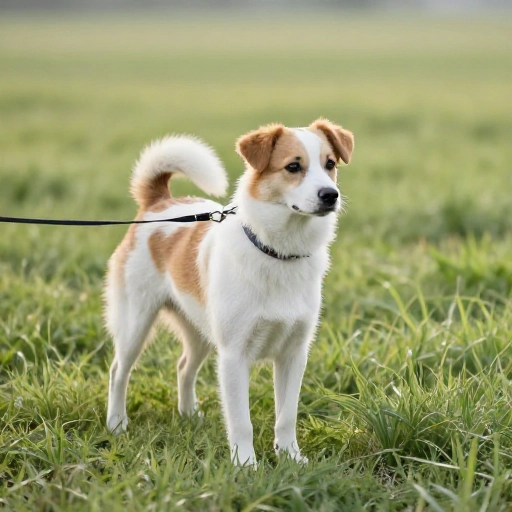
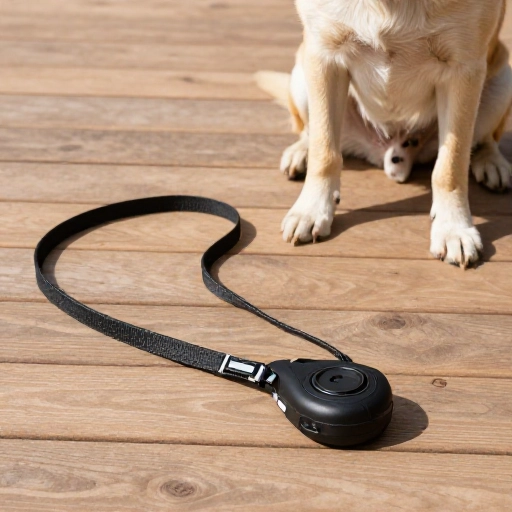
Retractable leashes give you zero control. When your dog spots a trigger, you cannot create a quick boundary. The constant tension also teaches your dog to pull. For a reactive dog, this is a recipe for disaster.
Use a standard 4 to 6-foot leash. It keeps your dog close and safe. You will feel more confident, and your dog will feel your calm energy.
5. Skipping the High-Value Treats
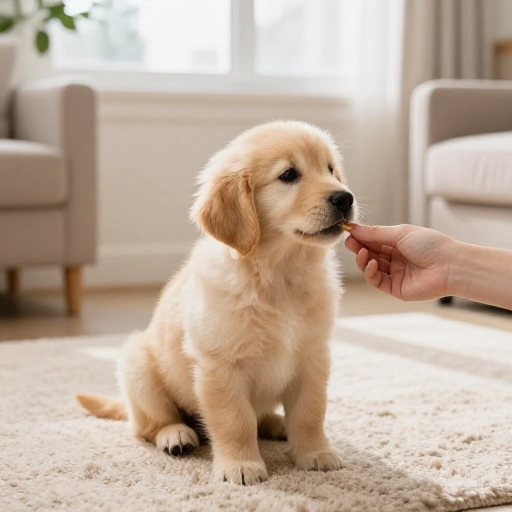
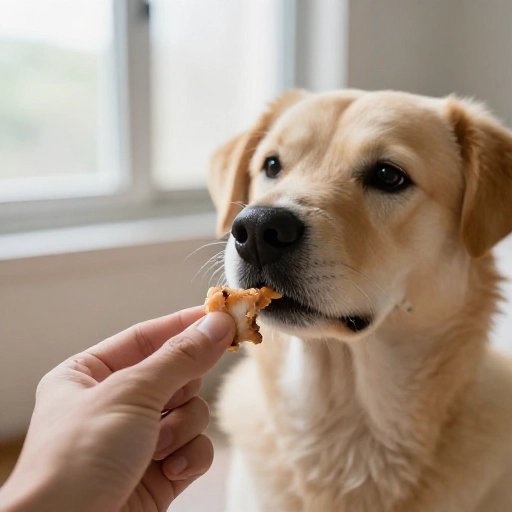
Kibble will not cut it when your dog is face-to-face with their biggest fear. You need something that smells amazing and tastes even better. Think cheese, hot dog bits, or freeze-dried liver.
When your dog sees a trigger, that treat should be more exciting than the trigger. If your dog ignores the treat, you are too close. Move back and try again.
6. Talking Too Much
When my dog starts reacting, I used to say “it’s okay, it’s okay, you’re fine” in a sing-song voice. That only added to the chaos. Dogs read our tone, not our words. A nervous voice tells them something is wrong.
Stay quiet or use one short, calm word like “let’s go.” Then move away. Less talking, more action.
7. Avoiding All Triggers
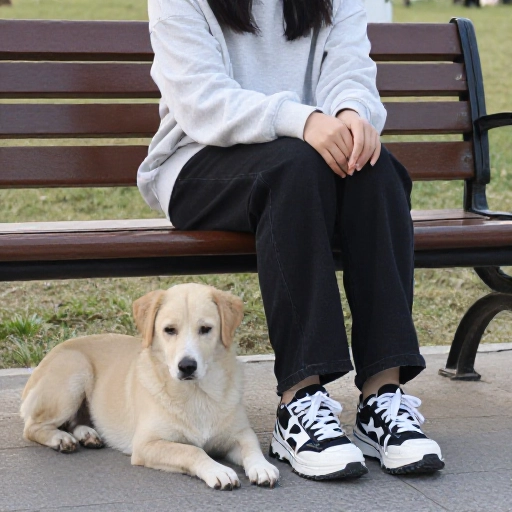
It is tempting to stay home where it is safe. But total avoidance can make your dog’s world very small. They never get a chance to learn that triggers are not always scary.
Instead, manage your environment smartly. Walk at quiet times. Choose less busy spots. But do not hide forever. Small, controlled exposures build confidence over time.
8. Pulling on the Leash
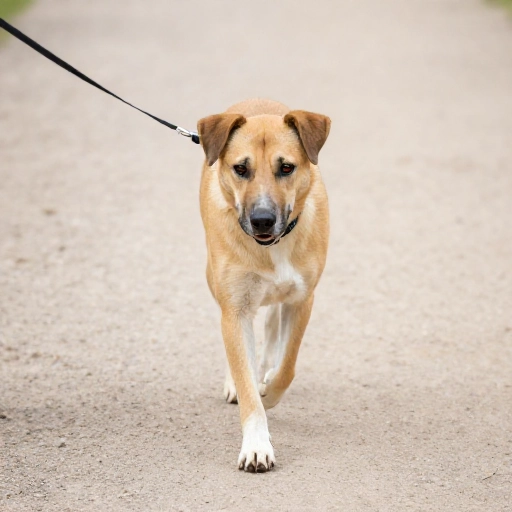
When your dog lunges, pulling back feels natural. But leash tension actually amps up your dog’s arousal. It is like a game of tug-of-war. Your dog thinks you are joining in the fight.
Relax your arm, turn, and walk the other way. A loose leash signals safety. Your dog will learn that calm movement, not pulling, gets them out of scary situations.
9. Expecting Too Much Too Soon
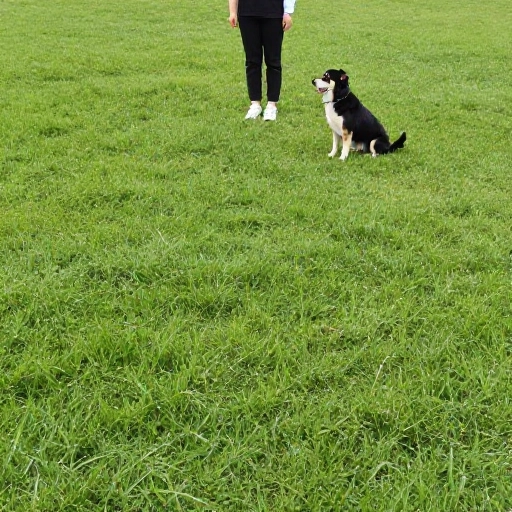
Reactivity training takes months, not days. I wanted my dog to ignore triggers after three walks. That pressure made me frustrated, and my dog felt it. We both failed.
Celebrate tiny wins. One second of calm near a trigger is a huge victory. Slow progress is still progress. Your timeline does not matter; your dog’s comfort does.
10. Forgetting about Exercise and Enrichment
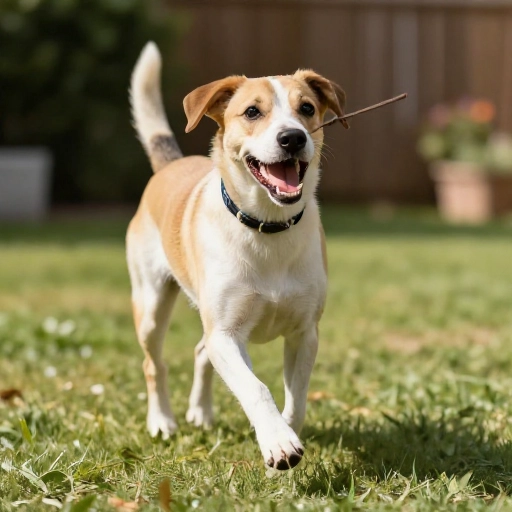
A tired dog is not always a calm dog. But a dog with pent-up energy is definitely more reactive. Mental stimulation matters just as much as physical exercise.
Snuffle mats, puzzle toys, and simple nose work games can drain your dog’s brain. A mentally tired dog is more likely to stay below threshold during walks.
11. Comparing Your Dog to Others
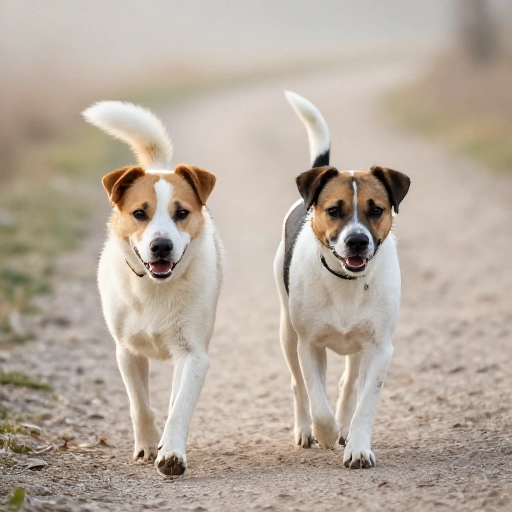
It is so hard to watch calm dogs walk past while yours is losing it. Comparison steals your joy and makes you feel like a failure. Every dog is different. Some need more time, more space, or a different approach.
Focus on your own journey. Your dog is trying their best with the tools they have. You are both learning together.
12. Neglecting Your Own Energy
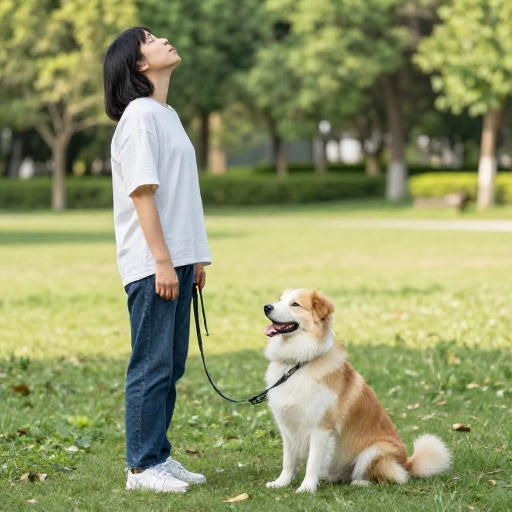
Dogs are masters at reading our emotions. If you are tense, gripping the leash, and holding your breath, your dog knows. They think there must be a threat nearby.
Practice deep breathing before walks. Loosen your shoulders. Your calm confidence is contagious. When you believe your dog can handle it, they start to believe it too.
13. Giving Up Too Early
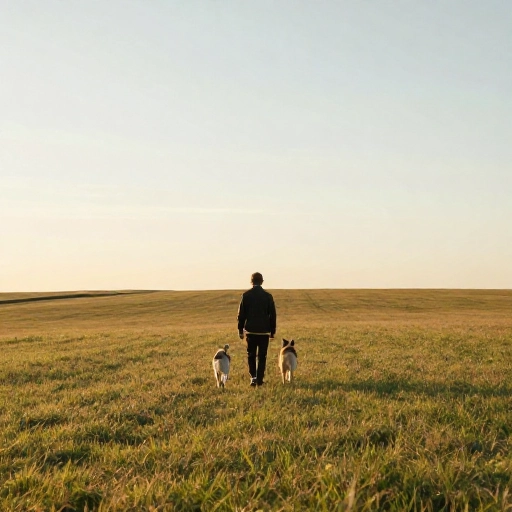
The hardest mistake is quitting. Maybe you tried a few things and nothing worked. Maybe you feel hopeless. I have been there, crying in the car after a failed walk. But giving up means your dog never gets the chance to improve.
Take a break. Hire a professional trainer if you can. But do not stop trying. Your dog loves you, even on the hard days. Keep showing up. It is worth it.
Conclusion
Reactivity is not a character flaw. It is a symptom of fear, frustration, or both. Every mistake on this list is something I have done, and every fix has helped us move forward. Your dog is not broken. You are not a bad owner. You just need a new plan.
Start with one small change today. Pick one mistake to stop making. You will both feel the difference. And when you do, celebrate it. You earned it.
[[IMG:IMG15]]
FAQ
Can a reactive dog ever be “cured”?
Most reactive dogs do not become perfectly calm in every situation. But with consistent training, they can learn to cope and feel much safer. Management and progress are the real goals, not perfection.
How long does it take to see improvement?
It varies. Some dogs show small changes in a few weeks. Others take months. The key is consistency and staying below threshold. Even tiny steps count.
Should I use a prong or shock collar on my reactive dog?
I do not recommend them. They can increase fear and make reactivity worse by associating pain with triggers. Positive reinforcement methods build trust and are safer long-term.
What if my dog reacts to everything on walks?
Start by walking in very quiet places at odd hours. Use high-value treats to create positive associations. If your dog is constantly over threshold, consider a break from walks and work on enrichment at home first.
Is medication an option for reactive dogs?
Yes. For some dogs, anxiety medication can lower their baseline stress enough for training to work. Talk to your veterinarian or a veterinary behaviorist. It is not a fix, but it can be a helpful tool.