14 Backyard Dog Run Ideas on a Budget That Actually Look Good
Let’s be real—giving your dog a safe space to run around shouldn’t cost as much as a small car. I’ve been there, staring at fencing prices wondering if my pup really needs a custom cedar palace. Spoiler: they don’t. A backyard dog run can be practical, durable, and honestly kind of cute without draining your savings.
I pulled together 14 ideas that work for small yards, big yards, rental properties, and everything in between. Most of these use materials you can find at a hardware store or even things you already have lying around. Your dog gets a place to zoom, and your wallet gets a break.
1. Use a Simple Welded Wire Fence Kit
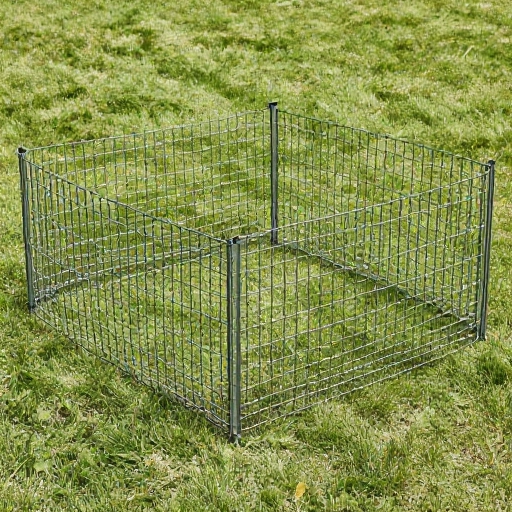
Welded wire fencing is cheap and incredibly easy to work with. You can buy a roll for under $50 and attach it to metal T-posts with zip ties. No power tools required, and it takes an afternoon to set up.
This works best for small to medium dogs. The mesh keeps them from digging out, and the materials are lightweight enough to move if you rearrange your yard later. Just make sure the posts are sturdy and spaced close together so the wire doesn’t sag.
Pro tip: Use a few extra zip ties to attach the wire to the bottom of the posts to prevent your dog from squeezing under. You can also lay extra wire flat on the ground along the inside of the fence to stop diggers.
2. Repurpose Old Pallet Wood for a Rustic Run
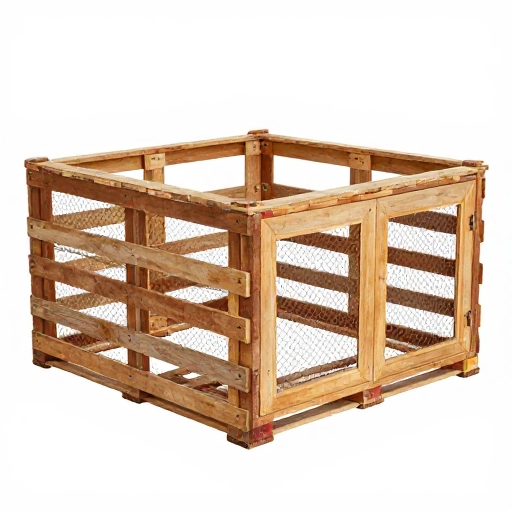
Pallets are free or nearly free if you know where to look. Break them down, sand off the rough edges, and screw them together to form a simple enclosure. The rustic look fits right into a natural backyard aesthetic.
You can make the run any size you want. A 6×10 foot pallet run costs almost nothing compared to store-bought dog runs. Just make sure the wood is untreated (no chemical stains) and check for loose nails before letting your pup inside.
If you want to get creative, paint the pallets with non-toxic outdoor paint to match your house or garden. It also seals the wood and makes it last longer in the rain.
3. Create a Portable Run with PVC Pipe and Netting
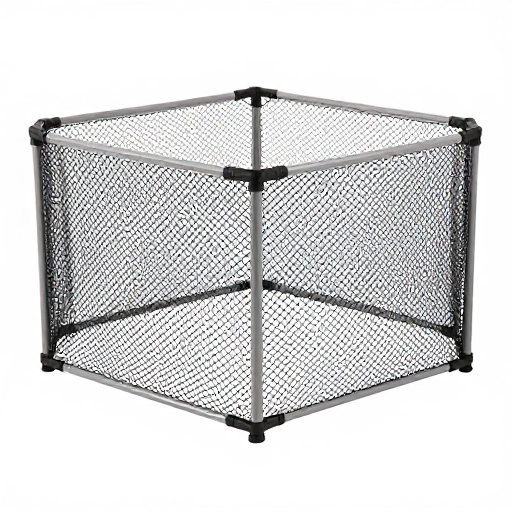
PVC pipe is cheap, lightweight, and easy to cut. Build a simple frame that connects with elbow joints, then drape bird netting or deer netting over the top and sides. This creates a lightweight, portable run you can move around your yard as the grass needs a break.
This is perfect for renters who can’t install permanent fencing. You can take it apart and store it in a closet when you move. It also works well for small dogs or puppies who don’t need heavy-duty fencing.
Secure the bottom with landscape staples or heavy rocks so your dog doesn’t push the netting up from underneath. It’s not escape-proof for determined diggers, but for most dogs it works great.
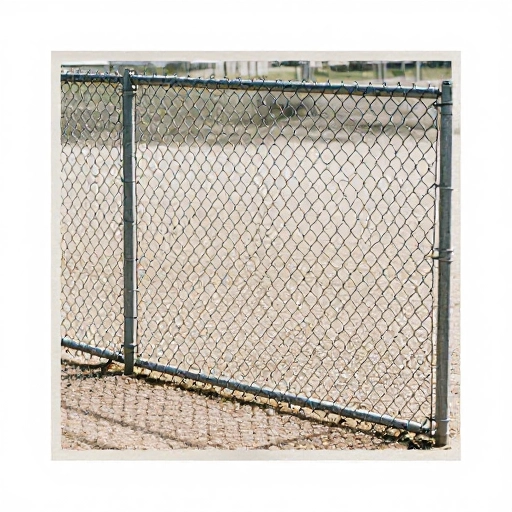
4. Use a Chain Link Dog Kennel Panel Kit
Chain link panels are one of the most affordable permanent options out there. You can find used panels on Facebook Marketplace or Craigslist for a fraction of retail price. A 10×10 foot kit can cost under $100 if you buy secondhand.
These panels are incredibly sturdy and will last for years. They’re easy to set up with a few tools, and you can expand them later if you want a bigger run. The open design also lets your dog see the yard, which keeps them from feeling isolated.
One downside is that chain link can look industrial. You can soften it by planting climbing vines or adding a row of low shrubs along the outside. It makes the run blend into the garden instead of sticking out.
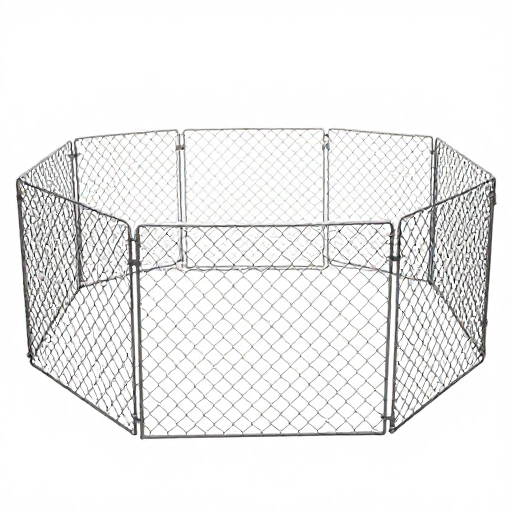
5. Build a Simple Wood Frame with Hardware Cloth
Hardware cloth is like welded wire but with smaller openings. It’s great for small dogs or puppies who could squeeze through regular fencing. Build a basic wood frame using 2x4s, then staple hardware cloth over it. You can make door panels or just a simple enclosure.
This method gives you a clean, professional look without the professional price tag. A 10-foot roll of hardware cloth runs about $20–$30, and wood from a lumber yard is cheap if you buy in standard lengths.
Make sure you use galvanized hardware cloth so it doesn’t rust. And use a heavy-duty stapler or screws to attach the mesh securely—dogs will push against it, and you don’t want gaps forming.
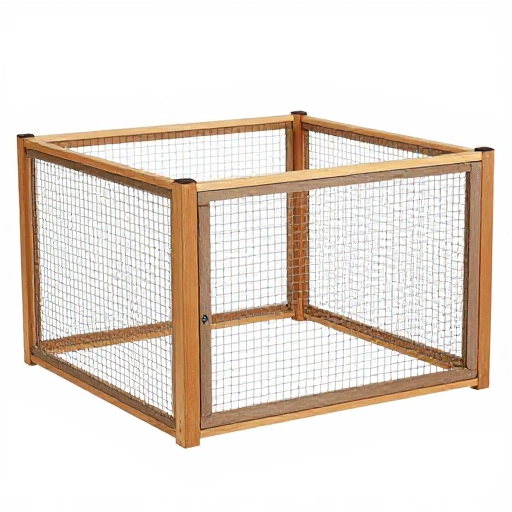
6. Use a Dog Tie-Out Cable with a Ground Anchor
If you have a small yard and just need to let your dog run for short periods, a tie-out cable is the simplest option. Buy a quality cable and a screw-in ground anchor for under $30. This isn’t a full run, but it gives your dog freedom to move around safely.
Make sure the cable is long enough (at least 20 feet) so your dog can actually run. A swivel at both ends prevents tangling, and a harness is safer than a collar to avoid neck strain.
This works best for supervised time only. Never leave a dog unattended on a tie-out, and check the cable regularly for wear. It’s a budget-friendly stopgap, not a permanent solution.
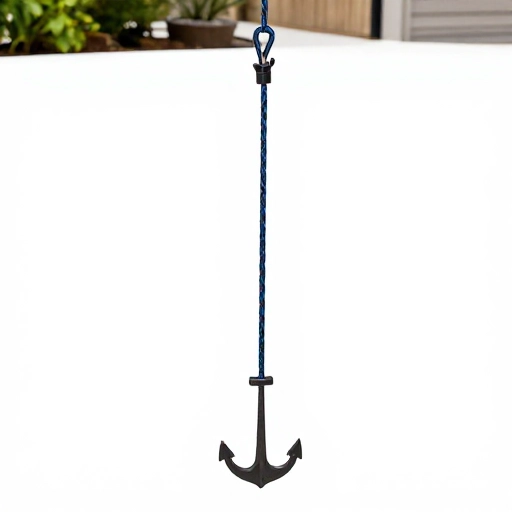
7. Go Completely DIY with Cattle Panels and T-Posts
Cattle panels are large, heavy-duty wire panels used for livestock. They cost about $25 each at farm supply stores. You can bend them into a circular or rectangular run by attaching them to metal T-posts. This creates a super sturdy enclosure that’s easy to set up.
This is ideal for medium to large dogs who need serious fencing. The panels are tall enough (about 50 inches) to discourage jumping, and the wire spacing is small enough to keep most breeds in. You can connect multiple panels to make the run bigger.
Install the T-posts on the inside of the panels so your dog doesn’t hit the post caps when running. Use heavy-duty zip ties or wire to attach the panels securely. This whole setup can cost under $100 for a decent-sized run.
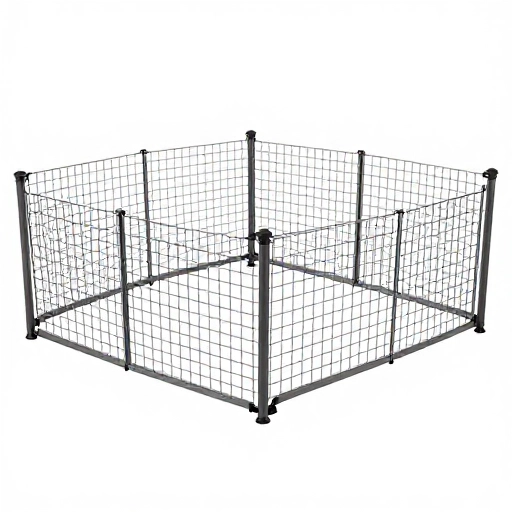
8. Turn a Chain Link Fence Section into a Run Corner
If you already have a chain link fence around your yard, you can create a run by adding one or two panels to form a corner enclosure. You only need to buy a gate panel and a couple of extension panels. This is the cheapest way to get a run because you’re using existing fencing.
Measure the corner of your yard and buy panels that fit. Attach them with fence clamps, which are cheap and easy to install. This creates a separate space without taking up your whole yard.
You can add a simple shade cover over the corner using a tarp or shade cloth. It gives your dog a cool spot to rest after running around. This setup takes less than an hour and costs under $50 if you buy used panels.
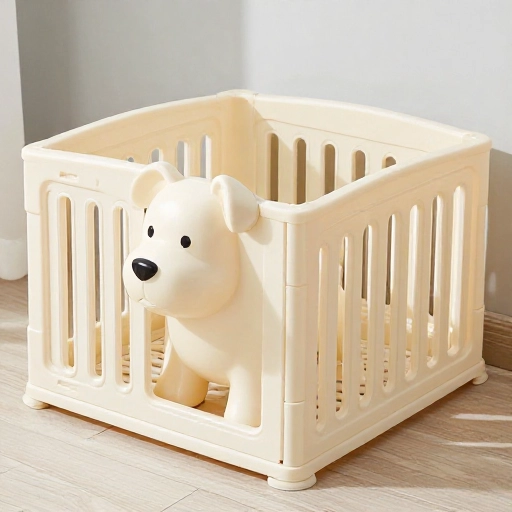
9. Use a Small Plastic Dog Kennel as a Temporary Run
Those plastic dog kennels you see at big box stores can double as a run if you buy a large one (like 4×6 or 6×8 feet). They’re lightweight, easy to assemble, and come with a door. You can usually find them on sale for under $100.
These are not meant for long-term outdoor use in harsh weather, but they work great for a few hours of supervised play. They’re also portable, so you can take them camping or to a friend’s house.
Place the kennel on grass or gravel to give your dog a softer surface. You can also line the bottom with a cheap outdoor rug or artificial grass mat to make it more comfortable. Just be aware that plastic can get hot in direct sun—put it in a shaded spot.
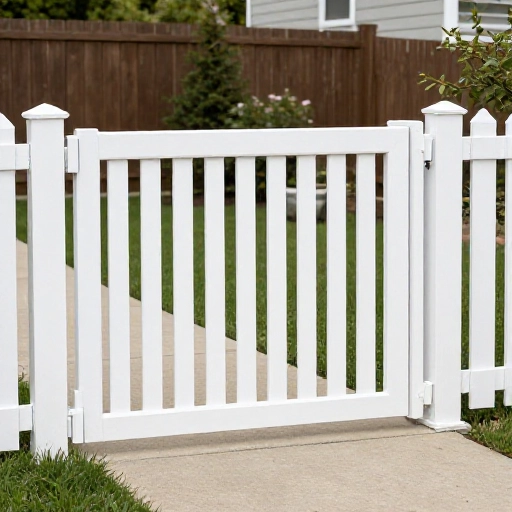
10. Install a Simple Gate Across Your Side Yard
If your side yard is narrow and fenced on both sides, you can turn it into a dog run with just a gate. Measure the width, buy a pre-made gate from a hardware store, and install it between the two fences. That’s it—instant run.
This is probably the cheapest option because you only need a gate and some hinges. You might also need a latch and a lock for security. The side yard is already enclosed on three sides, so the gate completes the space.
Just make sure there are no gaps at the bottom where your dog could squeeze through. If there are, add a piece of wood or a row of bricks to block them. You can also lay down mulch or gravel to keep the area clean.
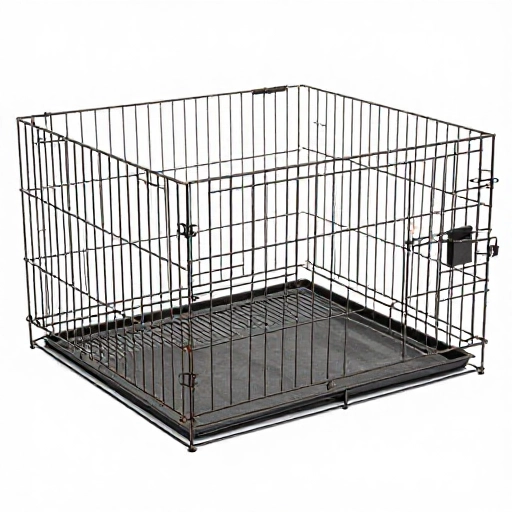
11. Use Old Dog Crates to Create a Modular Run
If you have old wire dog crates that you’re not using, you can connect them together to make a run. Remove the doors and use zip ties to attach the crates side by side or end to end. This creates a modular run that you can reconfigure whenever you want.
This works best for small dogs who don’t need a lot of space. You can make a 4×8 foot run by connecting two large crates. It’s also great for puppies because the wire spacing is small enough to keep them contained.
Place the crates on a flat surface like a patio or a piece of plywood. You can also put them on grass if you move them frequently to prevent dead spots. This is a zero-cost option if you already have the crates.
12. Build a Low-Cost Run Using Garden Fencing
Garden fencing (the green or black metal kind) is cheap and decorative. You can buy panels that are about 3 feet tall and connect them with stakes. This creates a low-profile run that looks like part of the garden rather than a kennel.
This works best for small dogs or as a temporary play area. The fencing is not very sturdy, so it won’t hold up to a large dog pushing against it. But for a small breed or a puppy, it’s perfect.
Buy extra stakes to reinforce the panels, especially at the corners. You can also weave a few zip ties through the connections to make them stronger. The whole setup can cost under $50 for a 10×10 foot area.
13. Use Concrete Reinforcing Mesh for a Super Strong Run
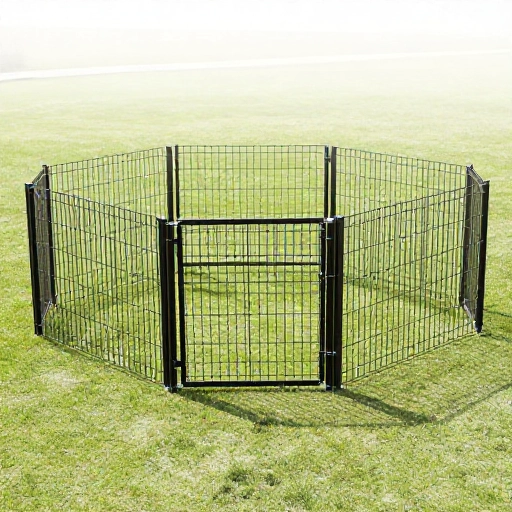
Concrete reinforcing mesh (also called remesh) is a heavy-duty wire grid used in construction. It comes in 5×10 foot sheets for about $10 each. You can cut it with bolt cutters and attach it to wood posts to create an incredibly strong run.
This is not the prettiest option, but it’s one of the strongest you’ll find for the price. The wire is thick and won’t bend or break easily. It’s perfect for large, powerful dogs who might break through regular fencing.
Wear gloves when handling remesh because the cut edges can be sharp. You can cover the edges with duct tape or PVC pipe split in half to make it safe. Paint the mesh with rust-resistant spray paint to extend its life.
14. Go Fully Portable with a Pop-Up Pet Playpen
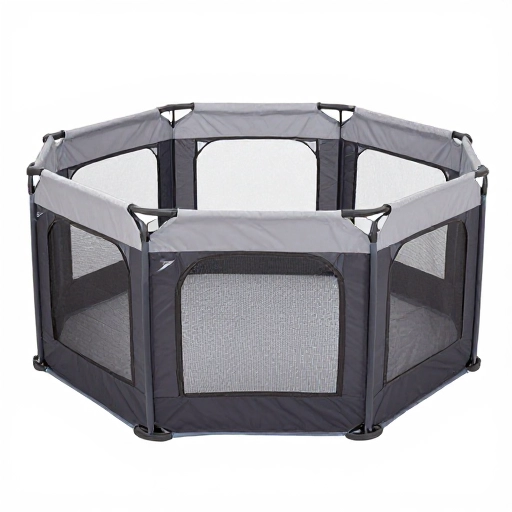
Pop-up pet playpens are mesh or fabric enclosures that fold flat when not in use. They cost between $30 and $60 and come in various sizes. You just unfold them, stake them down, and your dog has an instant run. No tools required.
These are not meant for unsupervised use, but they’re fantastic for quick play sessions or for taking to the park. They’re also great for puppies who need a safe space indoors or outdoors. The mesh sides let air flow through, and you can see your dog at all times.
Choose a playpen with a floor if you want to keep your dog off the grass or mud. Some models come with a zippered top to prevent jumping out. This is the most portable option and the easiest to store.
Conclusion
You don’t need to spend a fortune to give your dog a safe, fun place to run. Most of these ideas use materials that cost under $100, and some are completely free if you already have things on hand. The key is to match the run to your dog’s size, energy level, and your yard’s layout. Start small, test it out, and upgrade later if you need to. Your dog will love having their own space, and you’ll love how much you saved.
Frequently Asked Questions
What is the cheapest material for a dog run?
Welded wire fencing or hardware cloth attached to wood posts is usually the cheapest option. You can also use repurposed pallets or old dog crates for zero cost.
How big should a backyard dog run be?
For small dogs, a 6×10 foot run is plenty. For medium to large dogs, aim for at least 10×20 feet. The run should be long enough for your dog to sprint a few steps.
Can I build a dog run in a rental property?
Yes. Use portable options like PVC pipe frames, pop-up playpens, or tie-out cables. These leave no damage and can be packed up when you move.
How do I prevent my dog from digging out of a budget run?
Lay extra fencing flat on the ground along the inside of the run, or bury the bottom edge a few inches deep. You can also place large rocks or bricks along the base.
What is the best surface for a dog run on a budget?
Grass is free but can get muddy. Pea gravel or wood chips are cheap and drain well. Artificial grass remnants are also affordable and easy to clean.