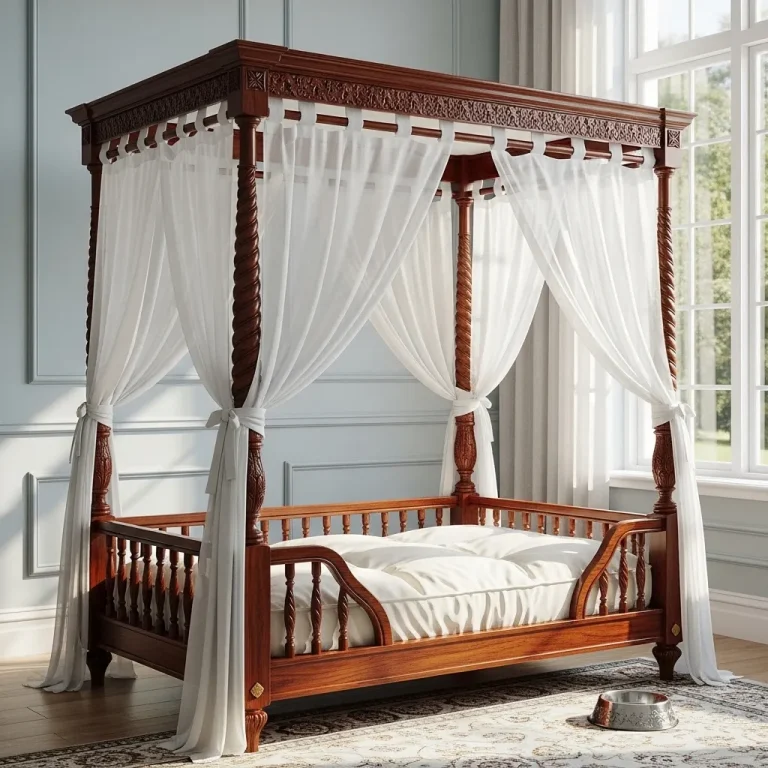
14 Weather-Proof Cat Houses for Year-Round Protection
If you have an outdoor cat, you know the struggle. They love being outside, but the rain, wind, and freezing temperatures can be rough. I’ve spent way too many nights worrying about my furry friend shivering under the porch. That’s why I started looking for the perfect weather-proof shelter.
Over the years, I’ve tested a bunch of different options. Some are great for summer shade, while others are total lifesavers in a snowstorm. Here are 14 of my favorite weather-proof cat houses that will keep your kitty safe and snug, no matter what Mother Nature throws at them.
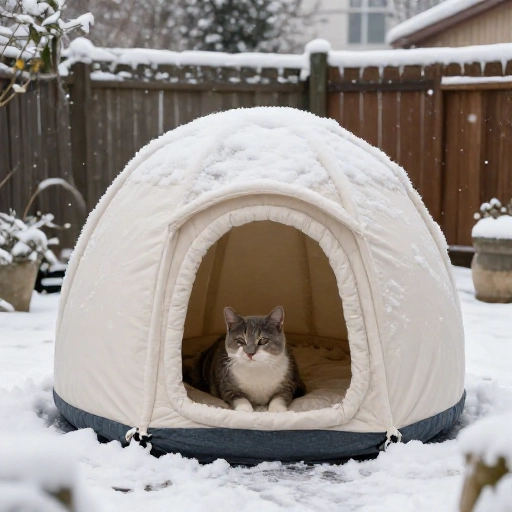
1. The Heated Igloo for Freezing Winters
This is the gold standard for cold climates. The dome shape traps body heat, and the raised floor keeps your cat dry. It’s like a little personal sauna for your feline.
Look for a model with a chew-resistant cord and a thermostat that only kicks in when it gets really cold. This saves energy and keeps your cat safe.
The small entrance is perfect for keeping out wind and larger predators. Your cat will feel like they are in a cozy cave.
Just make sure to place it in a spot that’s sheltered from direct wind gusts. The igloo shape does most of the work, but a little extra cover helps.
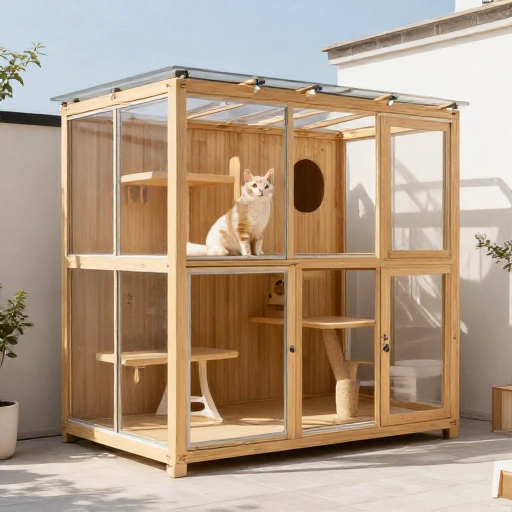
2. The Two-Story Condo with a Sunroom
I love this design because it gives cats options. The bottom level is fully enclosed for sleeping, while the top “sunroom” has clear panels for watching the birds without getting wet.
This is perfect for the cat that wants to be outside but also wants to stay dry. They can bask in the sun on a chilly morning and retreat to the insulated bottom when the wind picks up.
It takes up a bit more space, but the vertical design is great for smaller yards. Cats naturally love to climb, so this feels more like a playground than a cage.
Make sure the flooring is waterproof and easy to wipe down. Muddy paws are no match for a quick rinse.
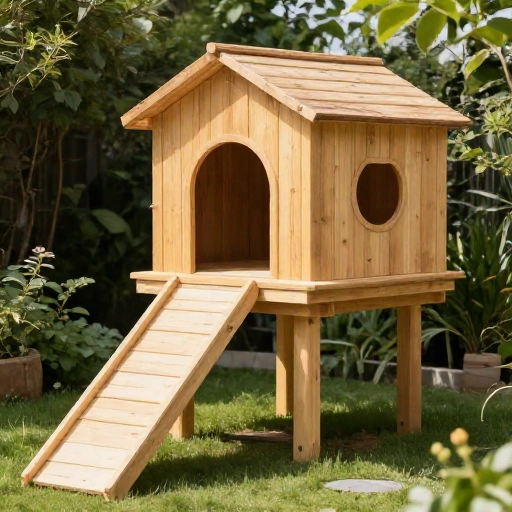
3. The Elevated Wooden Cabin
Raising the house off the ground is a game-changer. It protects against ground moisture and keeps your cat safe from insects and snakes. Plus, it feels a bit more like a dog house, but sized just right for a feline.
These usually come with a sloped roof that sheds rain easily. The wood provides excellent insulation compared to thin plastic.
I recommend adding a small flap over the door to block wind. You can also put a little rubber mat inside to keep the bedding from sliding around.
This style is often heavier, so it won’t blow away in a storm. It looks nice in the yard too, almost like a garden feature.
4. The Insulated Foam Box (DIY Style)
If you’re on a budget, this is the best hack. You can buy a large plastic storage bin and line it with rigid foam insulation boards. It’s simple, cheap, and incredibly effective.
Cut a hole in the side for the cat to enter, and fill the inside with straw (not hay, which traps moisture). The foam keeps the cat’s body heat in, turning the small space into a warm pocket.
The plastic bin is 100% waterproof, so you don’t have to worry about leaks. You can also paint the outside to match your patio decor.
This is the one I use for my feral colony. They love it because it’s discreet and safe.
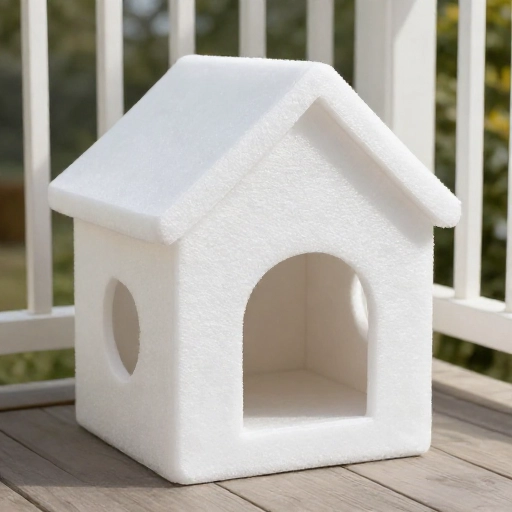
5. The Canvas and Steel Pop-Up Tent
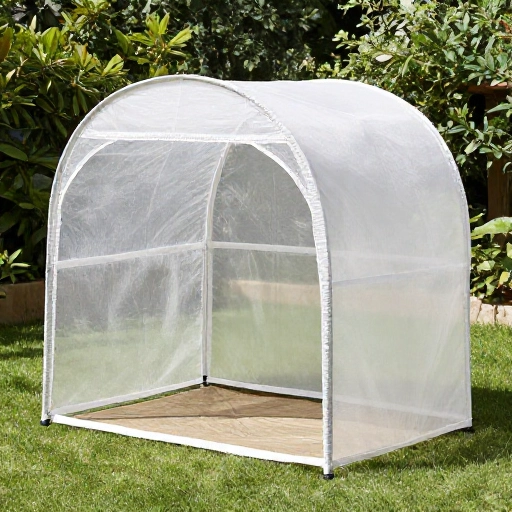
This is a great option for a covered porch or a garage. It’s not meant for heavy snow, but it’s perfect for rain and mild winter days. The steel frame makes it sturdy, and the canvas is breathable.
It folds flat for easy storage in the summer. It’s super easy to clean—just hose it down and let it dry.
I like using this in the summer to keep the mosquitos off my cats. The mesh windows allow for airflow while keeping the bugs out.
You can add a soft cushion inside, but make sure it’s a waterproof material. This tent is more about convenience than heavy-duty insulation.
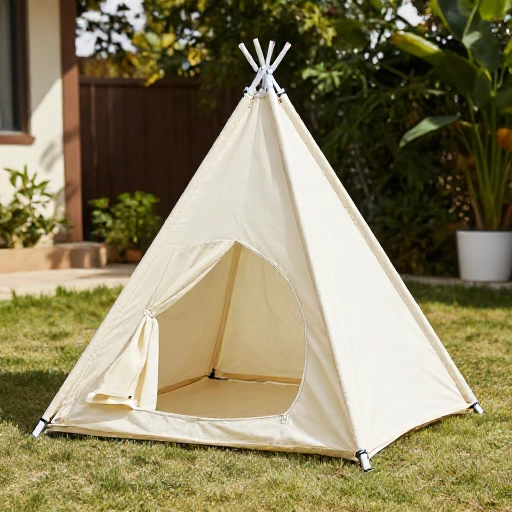
6. The Cat House with a Heated Pad Slot
Some houses come with a specific pocket or slot for a heated pad. This is different from a fully heated house because you control the heat source. It’s a bit safer for cats that like to chew.
The house itself is usually made of heavy-duty plastic or resin. The slot is on the floor, so the heat rises up and warms the whole space.
I prefer this because I can replace the pad if it breaks. It also allows me to use the house without heat in the summer, just as a cool shelter.
Look for one with a soft flap door to keep the heat inside. This combination is my go-to recommendation for friends with indoor/outdoor cats.
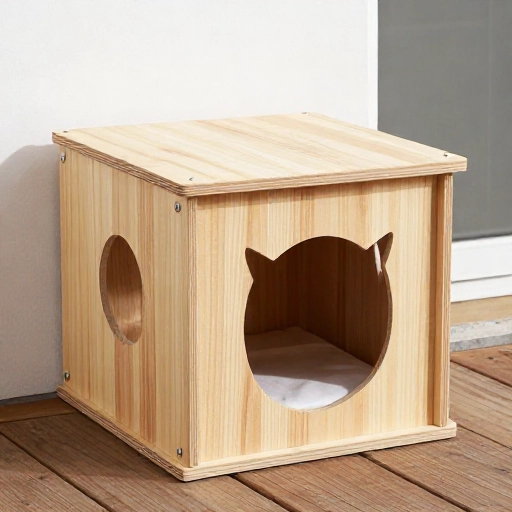
7. The Rattan Look with a Waterproof Core
If you care about aesthetics, this is for you. These houses look like cute rattan baskets, but they have a hidden plastic lining inside. They are perfect for a patio or balcony.
They aren’t as warm as a fully insulated box, but they are great for blocking wind and light rain. The rattan provides a natural look that blends with plants.
I put a fluffy blanket inside for my cat, and she thinks she’s in a luxury hotel. The arch shape is also very inviting for cats.
Just be sure to bring it inside during a heavy storm, as the rattan can degrade over time if soaked constantly.
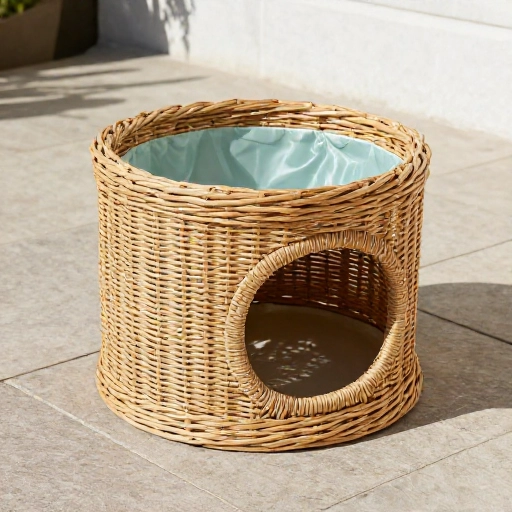
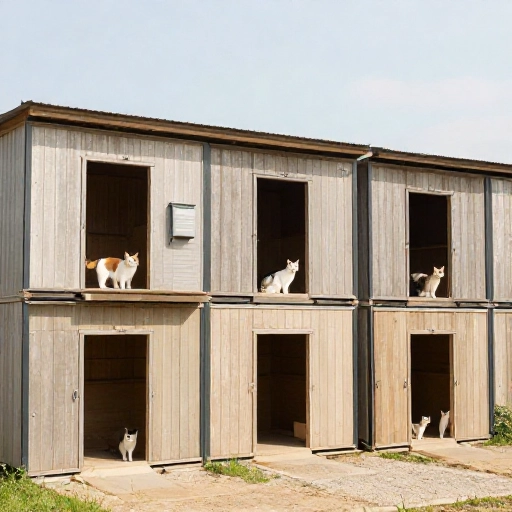
8. The Multi-Pet Barn
If you have more than one cat, or if you feed strays, this is a lifesaver. It’s a larger structure with two separate entrances and a divider in the middle. This prevents fights over the warm spot.
It has a large capacity, so two cats can curl up on opposite sides. The roof opens for easy cleaning, which is essential when you have multiple animals.
The heavy-duty plastic is easy to sanitize. I use a garden hose to spray it out once a week.
This barn style is very stable and won’t tip over when cats run in and out. It’s a solid investment for animal lovers.
9. The Wall-Mounted Shelter
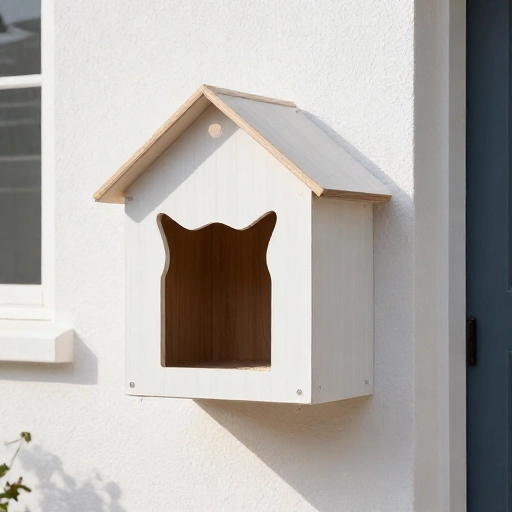
This is a brilliant space-saver. You can mount this house on a fence or the side of your house, up high. It keeps the cat safe from ground predators and gives them a bird’s eye view.
It’s usually made of wood with a tar-paper roof. The elevation provides natural insulation from the cold ground.
This is perfect for skittish cats that prefer to be up high. It feels like a treehouse to them.
Installation is a bit more work, but it’s worth it if you have a small yard. Just make sure it’s securely attached to withstand strong winds.
10. The Straw-Filled Bale House
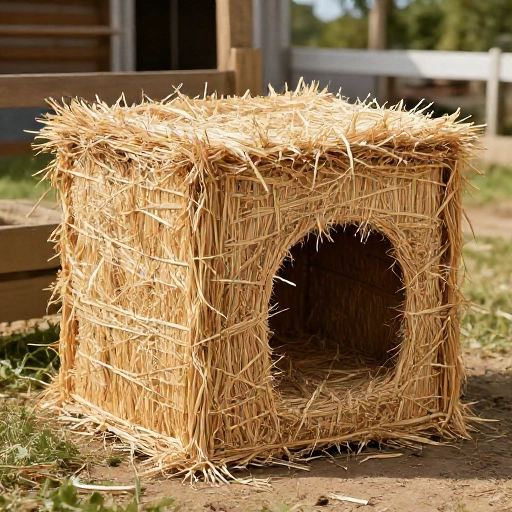
This is a more rustic approach. You essentially build a house using straw bales as the walls and a piece of plywood as the roof. It’s completely biodegradable and incredibly warm.
Straw is a fantastic insulator. It wicks moisture away from the cat and keeps them warm even when it’s freezing. This is a great project for a weekend.
You just need to create a tunnel entrance for the cat. The straw bales are heavy, so they won’t shift in the wind.
This looks great in a farmhouse-style yard. It’s a natural, chemical-free option that many cats love.
11. The Quick-Fold Cardboard Fort (with a Twist)
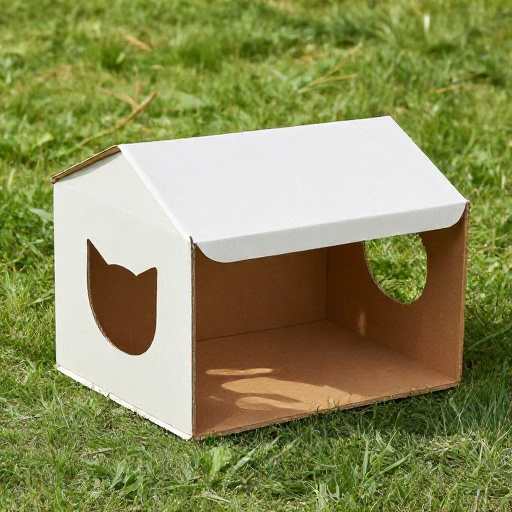
There are specialized “cardboard” houses that are actually made of a waxed, water-resistant material. They are designed to last a few months and are perfect for emergency shelter.
They fold flat for storage and pop up in seconds. They are lightweight and easy to move around the yard to follow the sun.
I keep one in my car for stray cats I find. It’s a great temporary solution while you look for a permanent home.
They are not for heavy winter, but they do a great job against wind and light rain. It’s a great option to have on hand.
12. The Covered Porch Cat House
This is a hybrid between a tent and a hard-sided house. It has a sturdy metal frame with a heavy-duty fabric cover. It usually has a clear plastic front window to let in light.
It’s designed to sit under a covered porch or a gazebo. It’s not waterproof if exposed to direct rain, but it’s perfect for wind and cold drafts.
I use this on my patio. It gives my cat a private spot to nap without being in the full sun. The fabric is easy to unzip and wash.
It’s a good “in-between” option for mild climates. It keeps the space feeling open while still providing a cozy corner.
13. The Heated Pad with a Simple Canopy
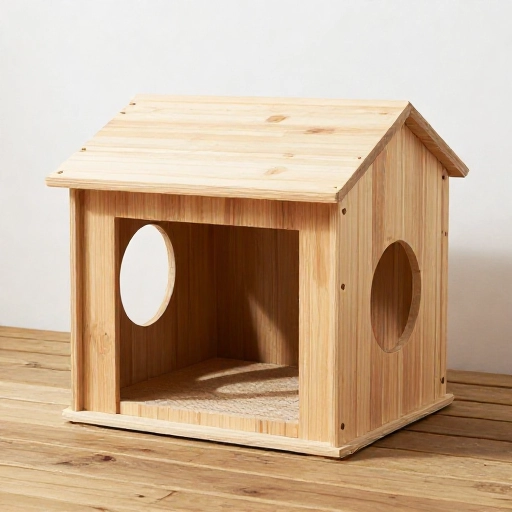
Sometimes you don’t need a full house. If your cat just needs a warm spot to sit, you can use a waterproof heated pad and a simple canopy roof. This is perfect for a cat that likes to be outside but hates the cold ground.
The canopy protects them from rain, and the pad keeps their joints warm. This is great for older cats with arthritis.
It’s a very simple setup. You can use a plastic chair and a waterproof blanket over the top.
This isn’t a full enclosure, but it’s a great supplement to a main house. It gives them a warm place to lounge during the day.
14. The Pallet and Tarp House
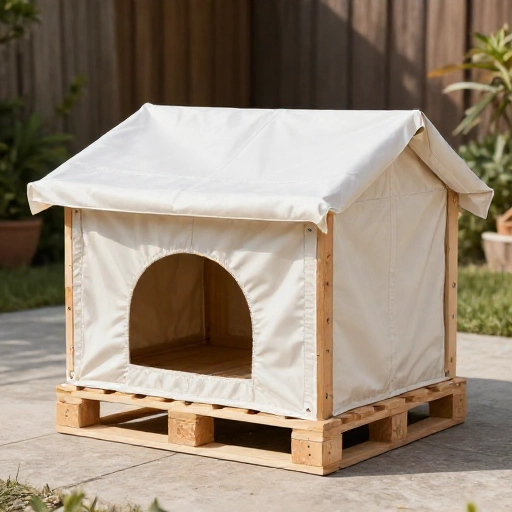
This is the ultimate DIY for a handyman. Use wooden pallets to create a frame, and cover the outside with a heavy-duty tarp. The pallets provide insulation, and the tarp provides waterproofing.
It’s bulky, but it’s very effective against strong storms. The wood absorbs some heat during the day and releases it at night.
You can fill the pallet voids with straw for extra insulation. This is a very sturdy, fortress-like shelter.
It’s not the prettiest, but it’s functional and will last for years. My outdoor cats love the secure feeling of the thick walls.
Conclusion
Finding the right cat house takes a bit of trial and error. You need to think about your climate, your cat’s personality, and your yard space. The most important thing is that the house is dry, elevated off the ground, and big enough for your cat to turn around but small enough to trap body heat.
Don’t forget to check the house regularly for cracks and leaks. A little maintenance goes a long way in keeping your furry friend safe and happy all year round. Your cat will thank you for it with plenty of purrs.
Frequently Asked Questions
What is the best material for an outdoor cat house?
Plastic and resin are great for easy cleaning and waterproofing. Wood is better for insulation but requires more maintenance to prevent rot. I prefer heavy-duty plastic for most situations.
Should I use blankets or straw in a winter cat house?
Use straw! Blankets absorb moisture and freeze, making things worse. Straw allows moisture to evaporate and keeps the cat warm without holding water.
How do I keep the cat house warm without electricity?
Use a small space and fill it with straw. You can also add a “snuggle safe” disc that you heat in the microwave. The key is to minimize the air volume your cat has to heat.
Where is the best place to put an outdoor cat house?
Place it in a quiet area away from wind and rain. Under a porch, near a fence, or under a bush are good spots. Make sure the entrance is facing away from the prevailing wind.
My cat won’t use the new house. What should I do?
Place some of your cat’s favorite treats inside or a piece of your clothing with your scent on it. You can also try rubbing catnip on the entrance. Patience is key—it can take a few weeks for them to trust it.