What Can My Dog Eat? 6 Must-Have Safe Foods & Easy Homemade Treat Recipes
Let’s be honest—when those big puppy eyes watch you eat a snack, it’s nearly impossible to say no. But sharing your plate isn’t always the safest choice. That’s why I love whipping up a batch of homemade dog treats. I know exactly what’s going into them, and I can use superfoods that are actually good for my furry friend.
From crunchy biscuits to frozen bites, these six recipes use simple, dog-safe ingredients you probably already have in your kitchen. Whether you’re looking for a training reward or just want to spoil your pup with something special, this list has a treat for every tail-wagger. Let’s get baking!
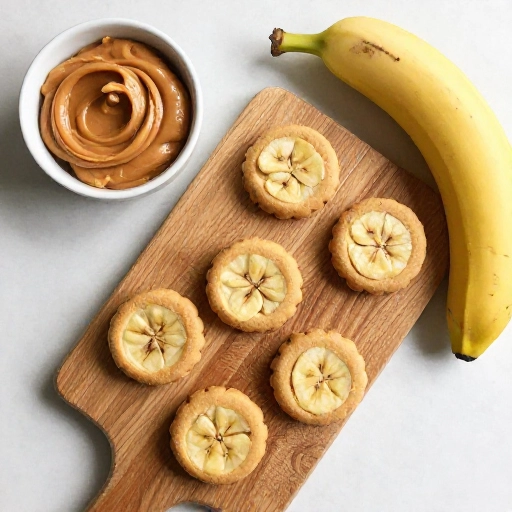
1. Peanut Butter & Banana Crunchy Biscuits
This classic combo is a guaranteed hit. Bananas provide potassium and natural sweetness, while unsalted peanut butter delivers healthy fats and protein. The oats add a lovely, satisfying crunch that helps keep your pup’s teeth clean.
- 1 ripe banana, mashed
- 1/2 cup natural unsalted peanut butter
- 1 cup rolled oats
- 1/2 cup whole wheat flour (or oat flour)
- Preheat oven to 350°F (175°C). Mix mashed banana and peanut butter until smooth.
- Stir in oats and flour to form a stiff dough. Roll out and cut into fun shapes.
- Bake for 15-18 minutes until golden brown. Let cool completely before serving.
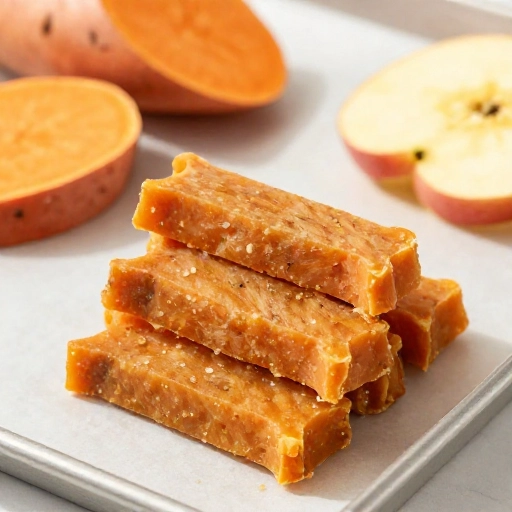
2. Sweet Potato & Apple Chewy Bites
Sweet potatoes are packed with fiber, Vitamin A, and antioxidants, making them a fantastic choice for a healthy immune system. Combined with the crisp sweetness of apples, these chewy bites are perfect for dogs who prefer a softer texture. The natural pectin in apples also helps with digestion.
- 1 cup cooked and mashed sweet potato
- 1/2 cup unsweetened applesauce
- 1 1/2 cups coconut flour
- 1 egg
- Mix sweet potato, applesauce, and egg in a bowl.
- Gradually add coconut flour until a soft, workable dough forms.
- Drop spoonfuls onto a baking sheet and flatten. Bake at 350°F for 20 minutes until slightly firm.
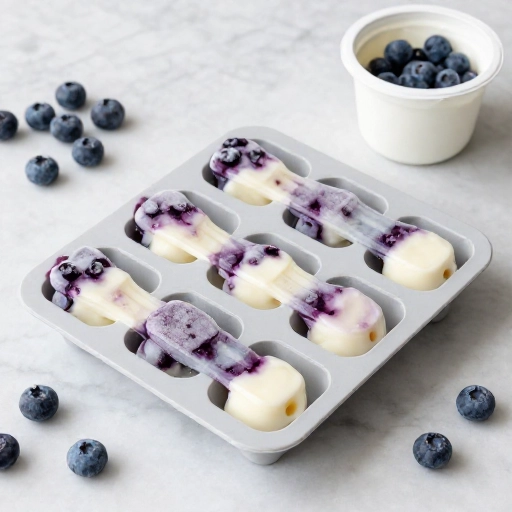
3. Frozen Blueberry & Yogurt Pops
When the weather heats up, these frozen pops are a lifesaver. Blueberries are a superfood rich in antioxidants and Vitamin C, while plain Greek yogurt provides probiotics for a happy tummy. They’re the perfect refreshing treat for a hot summer day or after a long walk.
- 1 cup plain Greek yogurt (no added sugar)
- 1/2 cup fresh or frozen blueberries
- 1 tablespoon honey (optional, for sweetness)
- Silicone treat molds or ice cube tray
- Blend yogurt, blueberries, and honey in a food processor until smooth.
- Pour the mixture into silicone molds or an ice cube tray.
- Freeze for at least 3 hours or until solid. Pop them out and serve as a cool snack.
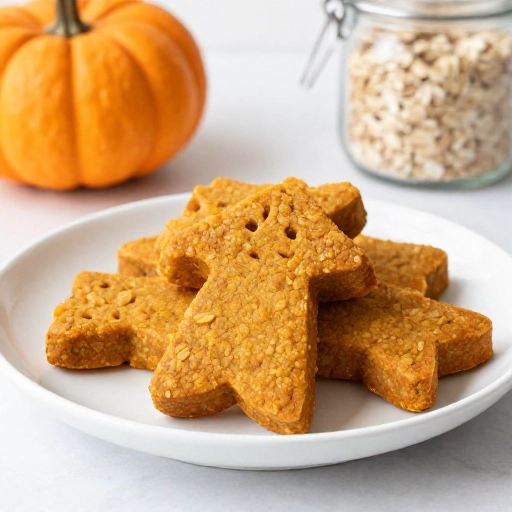
4. Pumpkin & Oatmeal No-Bake Bites
Pumpkin is my go-to for any doggy digestive issue. It’s loaded with fiber and beta-carotene, which supports eye health. These no-bake bites are also great for dogs with sensitive stomachs, making them a safe bet when you’re not sure what to feed. They come together in minutes.
- 1 cup canned pure pumpkin (not pie filling)
- 1 1/2 cups rolled oats
- 2 tablespoons coconut oil, melted
- 1 teaspoon cinnamon
- Combine all ingredients in a bowl and stir until well mixed.
- Roll the mixture into small bite-sized balls.
- Refrigerate for at least 30 minutes to set. Store in the fridge for up to a week.
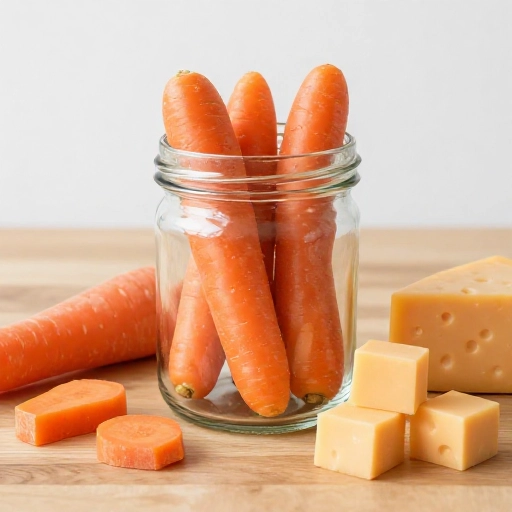
5. Carrot & Cheddar Training Treats
Who says healthy can’t be cheesy? Carrots are low in calories and high in beta-carotene, great for vision and skin. A little bit of sharp cheddar adds a savory punch that makes these irresistible for training sessions. They’re small, crunchy, and perfect for rewarding good behavior.
- 1 cup finely grated carrots
- 1 cup shredded cheddar cheese
- 1 cup whole wheat flour
- 1 egg
- 2 tablespoons water
- Combine all ingredients and mix into a firm dough.
- Roll out and cut into tiny, bite-sized squares.
- Bake at 350°F for 12-15 minutes until golden and crispy.
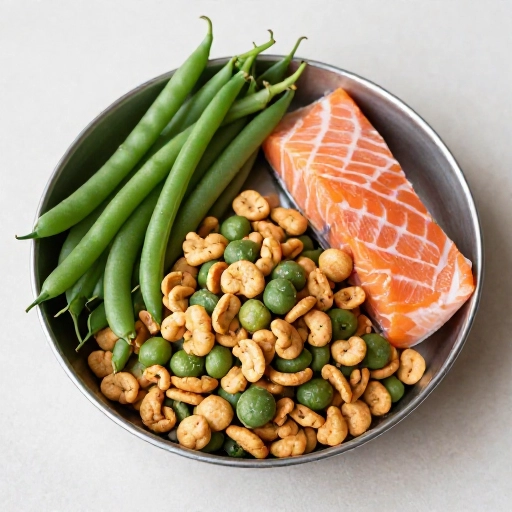
6. Green Bean & Salmon Crunchies
These savory treats are packed with omega-3 fatty acids from salmon, which are amazing for your dog’s coat and brain health. Green beans add a satisfying crunch and are full of essential vitamins and minerals. This recipe is a great way to add variety to your dog’s treat rotation.
- 1 can (5 oz) salmon, drained and flaked
- 1 cup finely chopped green beans
- 1 1/2 cups brown rice flour
- 1 egg
- 1/4 cup water
- Preheat oven to 350°F. Mix all ingredients until a sticky dough forms.
- Roll out on a floured surface and cut into small shapes.
- Bake for 20-25 minutes until dry and crispy. Let cool before storing.
Tips & Safe Baking Guidelines
Baking for your pup is fun, but safety is always my top priority. Here are a few rules I always follow to make sure every batch is perfect. First, always cool treats completely before giving them to your dog—hot treats can burn their mouths. For storage, I keep most baked biscuits in an airtight container at room temperature for up to two weeks. For anything with fresh ingredients or no baking, like the yogurt pops or no-bake bites, I store them in the fridge or freezer to keep them fresh.
When it comes to ingredients, always double-check that peanut butter is xylitol-free—this artificial sweetener is extremely toxic to dogs. Also, avoid using any recipes with grapes, raisins, onions, or garlic. Remember, treats should only make up about 10% of your dog’s daily calorie intake. If your pup has allergies or health conditions, it’s always best to chat with your vet before introducing new foods. Start with a small amount to see how your dog reacts.
One more tip: don’t be afraid to swap flours! If your dog is sensitive to wheat, oat flour or coconut flour are great alternatives. Just keep in mind that coconut flour absorbs more liquid, so you might need to add a splash of water or broth. And if you’re in a hurry, you can always use store-bought dog-safe treats, but nothing beats the love you put into a homemade batch.
I hope this list of safe foods and treats inspires you to get creative in the kitchen for your furry best friend. There’s something so rewarding about watching your dog gobble up a treat you made with your own two hands. It’s a simple way to show them how much you care, and it makes mealtime (or snack time) so much more special.
Remember, every dog is different, so always observe how your pup reacts to new ingredients. Start with small portions and watch for any signs of stomach upset. With a little patience and a lot of love, you’ll find the perfect recipe that has your dog doing happy dances every time you open the treat container. Happy baking, and give your pup an extra belly rub from me!
Frequently Asked Questions
Can I give my dog raw carrots?
Yes, raw carrots are a fantastic low-calorie snack and can even help with dental health by scraping off plaque. Just make sure to cut them into small, manageable sticks or slices to prevent choking, especially for smaller breeds.
Are oats safe for dogs every day?
Absolutely! Plain, cooked oats are safe and nutritious for dogs. They’re a great source of soluble fiber, which helps with digestion. Just avoid flavored instant oatmeal packets that contain added sugar or artificial sweeteners.
How long can I store homemade dog treats?
It depends on the recipe. Most baked biscuits can last up to two weeks in an airtight container at room temperature. For treats with fresh ingredients like yogurt or meat, I recommend storing them in the fridge for up to five days or freezing them for up to three months.
What human foods are dangerous for dogs?
Never give your dog chocolate, grapes, raisins, onions, garlic, macadamia nuts, or anything containing xylitol. These can cause serious health issues ranging from stomach upset to kidney failure. Always stick to the safe list like carrots, apples, and pumpkin.
Can I use honey in dog treats?
Yes, honey is safe for dogs in small amounts. It contains natural antioxidants and can help with allergies. However, it’s high in sugar, so use it sparingly. For puppies under one year old or dogs with compromised immune systems, it’s best to skip honey due to the risk of botulism.