18 Compact Indoor Cat Houses You Can Make Today
If you have a cat, you already know they have a special talent for claiming cardboard boxes and ignoring everything else you buy them. Instead of spending another dime on a fancy cat bed that will end up unused, why not build them something cozy and compact yourself? These DIY cat houses are perfect for small apartments, and they give your feline friend a private spot to nap, hide, and plot their next zoomie attack.
I’ve rounded up 18 simple projects that use everyday materials—from repurposed furniture to plain fabric. Even if you’re not a pro with a hammer, you can totally pull these off in a weekend. Most of these take under an hour to make, and your cat will think you’re a hero. Let’s get building!
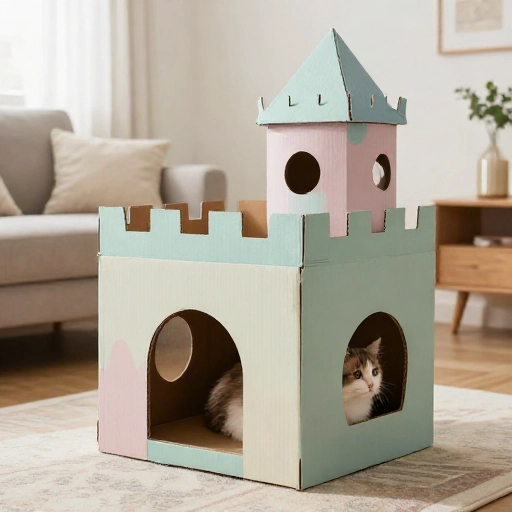
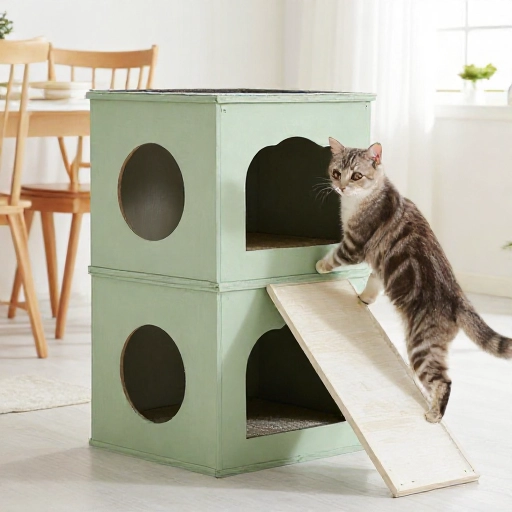
1. The Classic Cardboard Castle
Grab a few sturdy cardboard boxes and stack them like building blocks. Cut circular holes between them so your cat can move from room to room. Use a box cutter to create doorways, and skip the tape on the inside—cats love to scratch the walls.
For a polished look, cover the outside with brown kraft paper or leave it raw for a rustic vibe. You can even add a little ramp made from a folded piece of cardboard. This project is free, endlessly customizable, and completely recyclable when it’s time to build a new one.
Bonus tip: sprinkle a little catnip inside each “room” to encourage exploration. Your cat will love having their own multi-level hideaway.
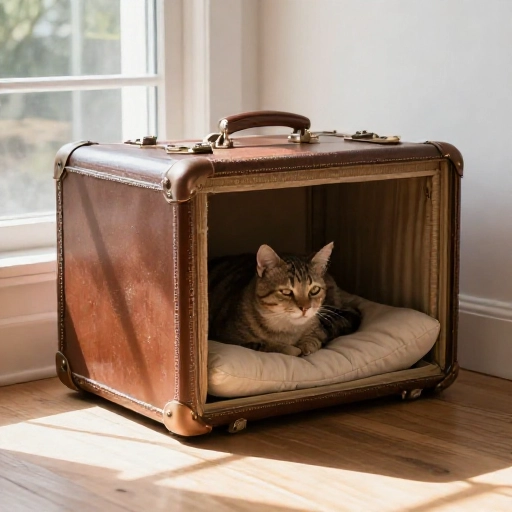
2. Repurposed Suitcase Cat Cave
Old suitcases are everywhere at thrift stores, and they make the most charming cat houses. Open the suitcase slightly and prop it against the wall, then place a soft blanket inside. The rigid shell feels like a secure den to your cat, and the vintage look adds character to your home.
If the suitcase has an interior strap, use it to hang a small toy. You can also cut a small circular hole in the side for a fun entrance. Just make sure the suitcase is stable and won’t snap shut on your cat.
Keep the suitcase on the floor in a quiet corner. It’s the kind of piece that looks intentional, not cluttered, and your cat will claim it as their throne in minutes.
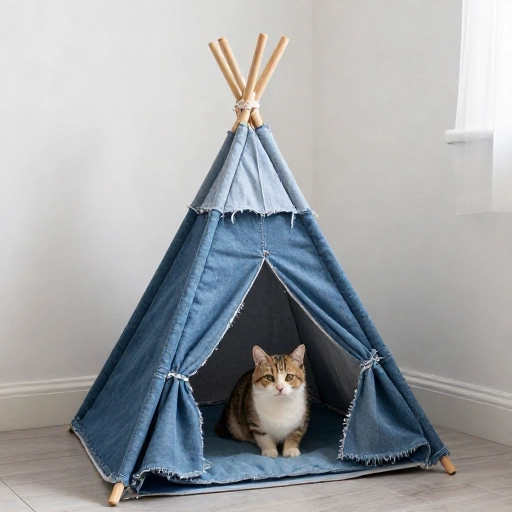
3. Teepee Tent from Old Jeans
Turn three or four wooden dowels into a simple teepee frame. Then, take an old pair of jeans and cut off the legs. Sew or glue the fabric pieces together to cover the frame, leaving a gap for the entrance. It’s a cozy, den-like space that cats love to burrow into.
If you don’t have jeans, any sturdy fabric like canvas or denim works. Use twine to tie the dowels together at the top. Place a soft pillow or folded blanket inside for maximum comfort.
This is a great weekend project that uses up old clothes you were going to donate anyway. Plus, the indigo denim look is very Pinterest-worthy.
4. Fabric Cube with PVC Frame
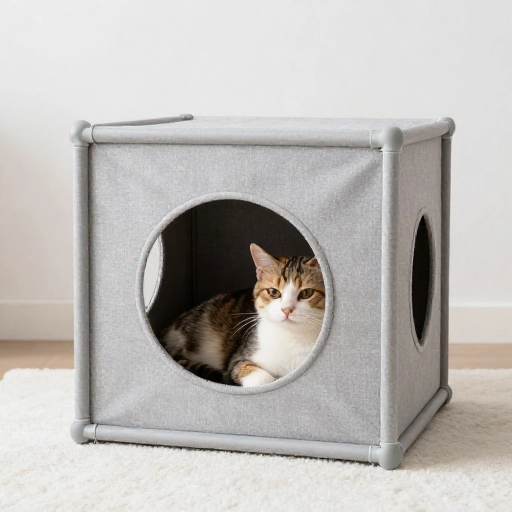
Buy a few feet of PVC pipe and some corner connectors. Build a simple cube frame, then sew a fabric cover with an opening on one side. The lightweight frame means you can move it around the house easily, and it’s sturdy enough to hold your cat’s weight on top.
Use fleece or faux fur for the inside and a patterned cotton for the outside. If sewing isn’t your thing, just use fabric glue or iron-on hem tape. The cube can double as a scratching post if you wrap sisal rope around one of the vertical pipes.
This is one of the most versatile designs because you can make it as small or large as you want. Your cat will appreciate the enclosed feeling, and you’ll love how neat it looks.
5. Wooden Crate Hideout
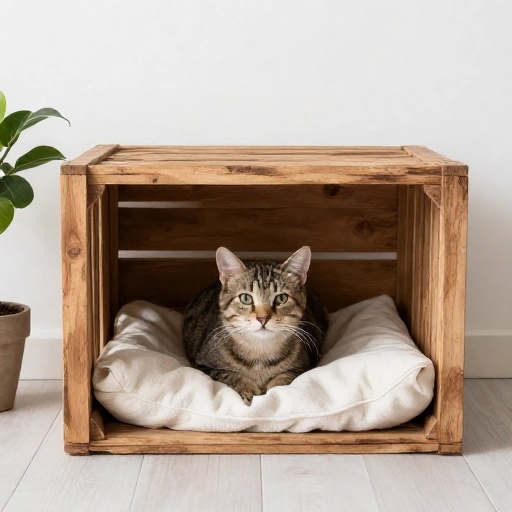
Find a small wooden crate (the kind used for shipping fruit or wine). Sand the edges so there are no splinters, then flip it on its side. Add a plush cushion inside and maybe a little curtain made from scrap fabric for privacy.
You can also stack two crates and cut a hole between them for a two-story setup. Paint the outside with non-toxic, pet-safe paint or leave the wood natural. The slatted sides give your cat visibility while still feeling secure.
This is a super sturdy option that won’t collapse, even if your cat likes to sleep on top of the roof. It’s rustic, functional, and takes almost no time to assemble.
6. Cardboard Box with a Sweater Cover
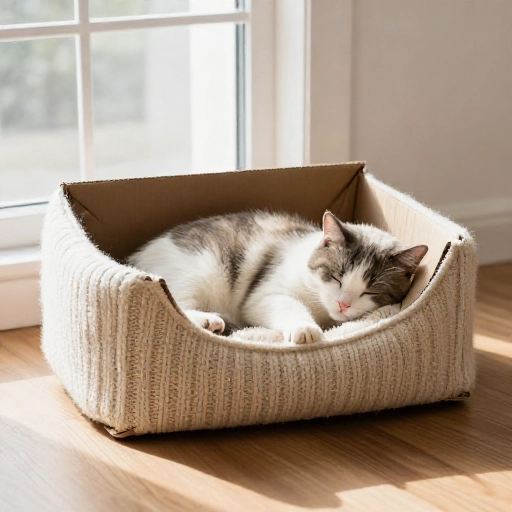
Take a plain brown box and cut a round hole in one side. Then, slip an old wool sweater over the entire box. Tuck the sleeves underneath, and cut a matching hole in the sweater where the opening is. The knit fabric instantly makes the box look like a cozy, designer cat cave.
This is one of the easiest projects ever. You don’t need any tools except scissors. Make sure the sweater is clean and free of loose buttons that could be a choking hazard.
The sweater also adds insulation, which is perfect for chilly evenings. Your cat will love the soft texture against their paws as they crawl inside.
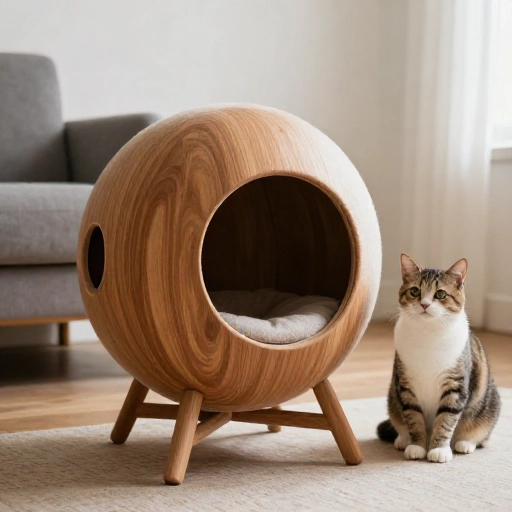
7. Modern Mid-Century Cat Pod
For a stylish look, make a pod from paper mache or air-dry clay. Shape a dome over a balloon, let it dry, then cut a hole for the entrance. Paint it in a trendy color like sage green or terracotta. It looks like a piece of art, not a pet accessory.
If clay seems too messy, use a large plastic bowl as a mold and cover it with strips of newspaper and glue. Once dry, pop the bowl out. This project takes a few days to dry, but the result is a smooth, sculptural hideaway.
Line the inside with a soft cushion. This pod is lightweight, so place it against a wall for stability. It’s a great conversation starter and your cat will feel like royalty in their own little igloo.
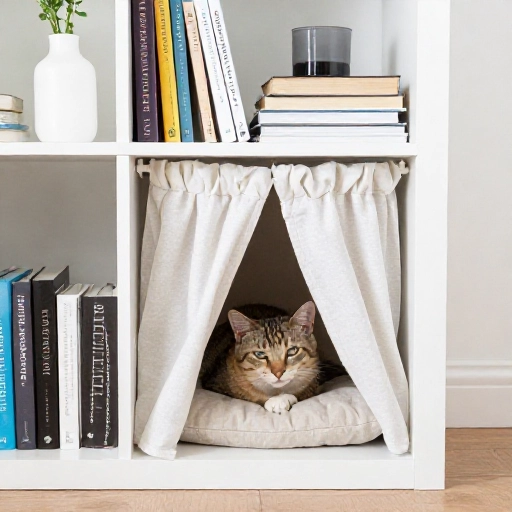
8. Bookshelf Cubby Conversion
If you have an old bookshelf with empty cubes, turn one of those cubes into a cat house. Simply remove the shelf door if there is one, and add a curtain or a piece of fabric across the front. Place a cat bed or a folded blanket inside.
For extra fun, cut a round hole in the side panel between two cubes so your cat can crawl from one shelf to another. This gives them a tunnel effect without taking up any extra floor space.
This is perfect for small apartments because it uses vertical space. Your cat gets a high perch to observe the room, and you get to hide all their toys in one tidy spot.
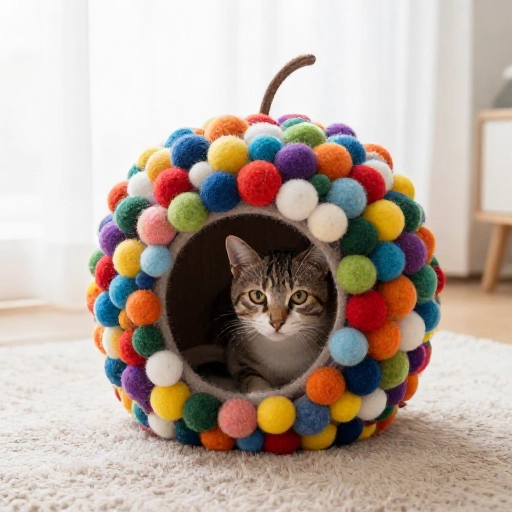
9. Felt Ball Cat Cave
Using a balloon and felted wool balls, you can create a soft, bouncy cat cave. The process is simple: glue felt balls together in a dome shape over a balloon, leaving a gap for the door. Once dry, pop the balloon and remove it.
This is a bit more time-consuming, but the results are stunning. The wool balls come in all colors, so you can match your decor perfectly. The cave is flexible, so your cat can squish it around to their liking.
It’s lightweight and easy to clean—just shake it out or spot clean with a damp cloth. Your cat will love the unique texture and the fact that they can see through the tiny gaps between the balls.
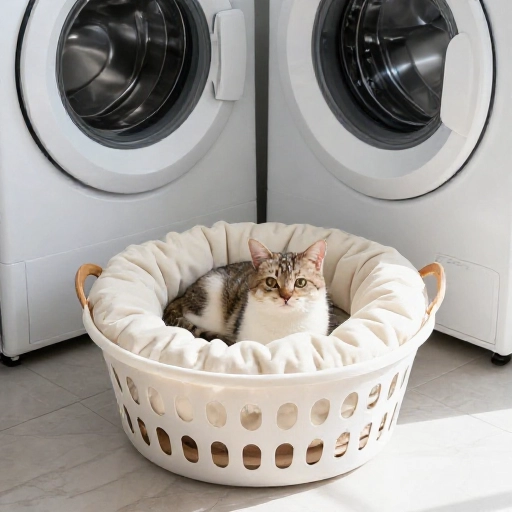
10. Simple Laundry Basket Cat Bed
Grab a sturdy woven laundry basket or a plastic one with holes. Turn it upside down and cut a hole in the side. Place a blanket inside the basket (which is now upside down). This makes a quick and dirty cat house that’s surprisingly durable.
If you use a woven seagrass basket, it doubles as a scratching post. Just make sure there are no sharp edges where you cut the hole. You can line the cut edge with duct tape or bias tape for safety.
This is the ultimate lazy project. It takes five minutes and uses things you already have. Your cat will appreciate the enclosed space, and the basket is easy to wash.
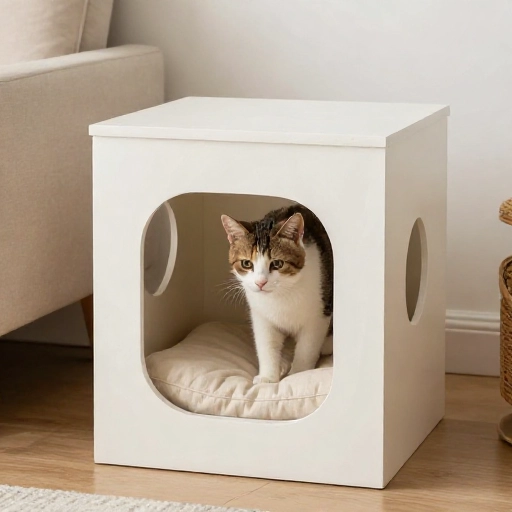
11. Repurposed End Table Hideaway
Take an old wooden end table and cut a cat-sized hole in one of the panels. Place a plush bed inside, and you have an instant cat house that looks like furniture. Paint the table to match your room for a seamless look.
If the table has doors, remove them so your cat can easily enter and exit. You can also add a small window on one side by cutting a square and covering it with a clear acrylic sheet.
This project requires a jigsaw, so it’s for the more handy DIYer. But the payoff is huge—you get a beautiful piece of furniture that doubles as your cat’s private suite.
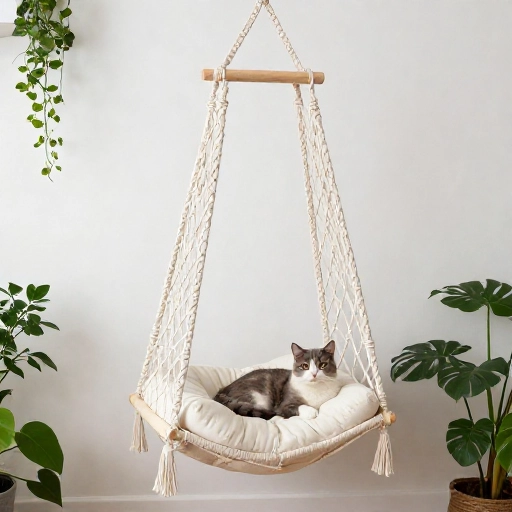
12. Macrame Cat Swing Bed
This is more of a hanging house than a floor house. Use a wooden hoop and some thick cotton rope to create a macrame-style hanging bed. Attach it to a sturdy ceiling hook or a wall bracket. Place a cushion in the middle.
Cats love to be up high, and the gentle swaying motion is soothing. You can follow a simple macrame pattern or just tie knots randomly—the unevenness adds to the boho charm.
Make sure the ropes are tight and secure before letting your cat test it. This is a beautiful statement piece that uses vertical space, perfect for tiny rooms.
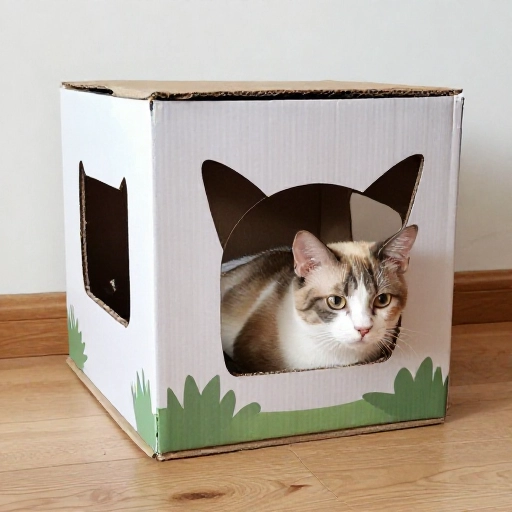
13. Cardboard Box with a Window
Sometimes the simplest ideas are the best. Get a large box, cut a round hole for the door, and cut a separate round hole higher up for a “window.” Tape the flaps down securely. Add a small shelf inside where your cat can sit and look outside.
You can decorate the outside with washi tape, paint, or even contact paper that looks like bricks. It’s a fun afternoon project that lets you get creative with the design.
The window gives your cat a sense of safety while still allowing them to see what’s happening in the room. It’s a great way to repurpose a delivery box.
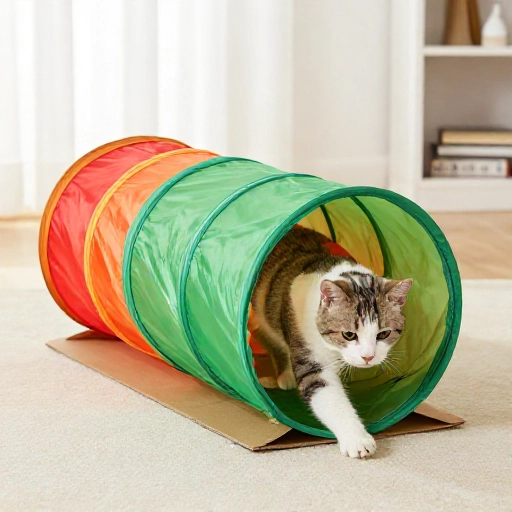
14. Fabric Tunnel with a Box
Connect a cardboard box to a fabric tunnel. You can buy a cheap fabric tunnel or make one by sewing a long tube from old t-shirts. Attach one end of the tunnel to the box hole using a zipper or velcro. The other end can be left open.
This creates a fun little adventure course for your cat. They can hide in the box, crawl through the tunnel, and pop out the other side. It’s great for active cats who love to play.
Make sure the tunnel is wide enough for your cat to turn around. This setup encourages natural hunting behaviors and gives them multiple places to hide.
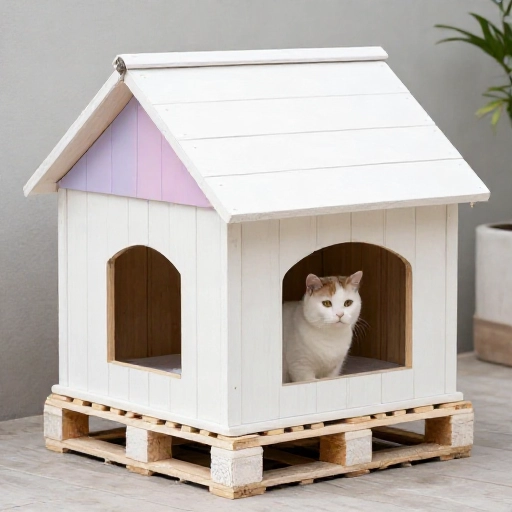
15. Pallet Wood Cat House
If you have access to old pallets, dismantle them and cut the wood into panels. Screw them together to make a small house with a pitched roof. Add a soft cushion inside and a small ramp leading up to the doorway.
This is a more substantial build, but it’s very sturdy. Use a sander to smooth all the wood so your cat doesn’t get splinters. You can stain or paint it to protect the wood.
The rustic look is perfect for a farmhouse-style home. Your cat will love having a solid, heavy house that doesn’t wobble when they jump on top of it.
16. Upcycled Wine Box Cat Condo
Wine boxes are the perfect size for cats. Get two or three of them and stack them in a pyramid. Cut holes on the sides so your cat can move between them. Glue or screw them together for stability.
Leave one box open at the top so your cat can sit on the “roof.” Add a small toy hanging from the inside of the top box. The wood is thin but durable enough for a light cat.
This is a chic and compact option for small spaces. The wood grain looks beautiful on its own, so you don’t even need to paint it.
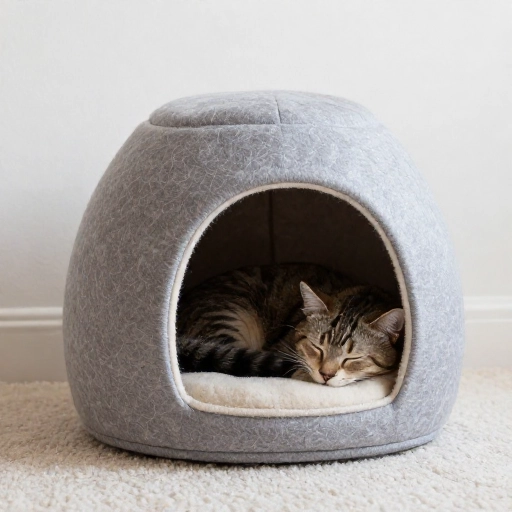
17. Sewn Felt Cave with a Fleece Lining
If you can sew a straight line, you can make this. Cut two large circles from stiff felt or craft foam. Sew a curved dart in each circle to give them a bowl shape. Then sew the two bowls together, leaving a gap for the entrance.
Line the inside with soft fleece for extra comfort. This cave is lightweight and portable, so your cat can drag it around if they want. The felt holds its shape well, making it a sturdy little den.
You can add a little pom-pom on top for decoration. This is a quick sewing project that looks professional and feels super cozy.
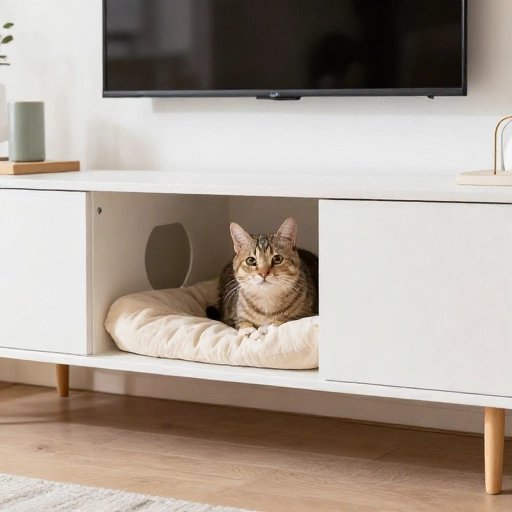
18. Hidden TV Stand Cat House
If you have an entertainment center with a closed cabinet, convert the lower section into a cat house. Cut a small hole in the side or front panel, and place a cozy bed inside. Your cat will love having a secret spot right in the heart of the living room.
Make sure there are no electrical cords inside that they could chew on. You can add a small battery-operated LED light inside so they can see. This is a genius way to hide your cat’s bed in plain sight.
Your cat gets to be near you while you watch TV, but they still have their privacy. It’s the ultimate space-saving hack.
Final Thoughts
Building a cat house doesn’t have to be complicated or expensive. Most of these projects use items you already have lying around, and even the more involved ones are doable in a weekend. The best part is seeing your cat’s reaction when they discover their new favorite spot. Every cat is different, so if they ignore your first attempt, just try another style.
Remember to always prioritize safety—avoid loose parts, sharp edges, and toxic paints. Check the structure regularly for wear and tear. Your cat will appreciate the effort, and you’ll love having a stylish hideaway that fits your home. Happy building!
FAQ
What materials are safe for DIY cat houses?
Cardboard, untreated wood, and pet-safe fabrics like cotton or fleece are all great options. Avoid materials with small parts that could be swallowed, and always use non-toxic glue and paint.
How do I get my cat to use the new house?
Place a familiar blanket or a piece of your clothing inside. You can also sprinkle catnip near the entrance. Give your cat time to investigate at their own pace—don’t force them in.
How big should the entrance hole be?
Most cats need a hole at least 6-8 inches in diameter. If you have a larger breed like a Maine Coon, make it 10 inches. When in doubt, bigger is better.
Can I make a cat house if I’m not handy?
Absolutely! Many of these projects, like the cardboard castle or the sweater box, require zero tools. Start with a simple one and work your way up.
How do I clean a DIY cat house?
For fabric covers, remove them and toss them in the washing machine. For cardboard or wood houses, wipe them down with a damp cloth and a pet-safe cleaner. Vacuum the inside regularly to remove fur.