5 Simple Ways to Improve Your Cat’s Behavior (And Your Bond!)

If you’ve ever been woken up at 4 AM by a yowling cat or found your favorite plant dug up, you know that sometimes our feline friends have habits we’d love to change. I used to think my cat was just being “naughty,” but I’ve learned that most “bad” behavior is just a cat being a cat—they’re communicating a need in the only way they know how.
The good news? With a little understanding and some simple shifts, you can guide your cat toward better habits. It’s not about punishment; it’s about creating an environment where your cat feels secure, stimulated, and understood. Here are five foundational ways to improve your cat’s behavior, starting today.
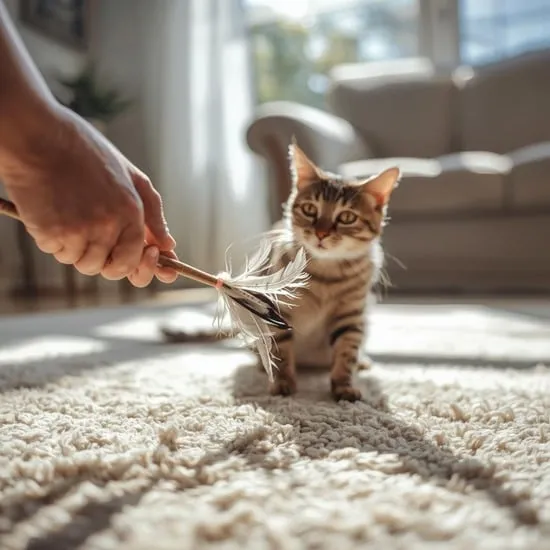
1. Master the Art of Play Therapy
Boredom is the root of so many behavior issues, from scratching furniture to ambushing your ankles. Your cat has a strong natural hunting drive that needs an outlet. I make it a daily ritual to have two dedicated play sessions, just 10-15 minutes each, using a wand toy to mimic prey.
This “hunt, catch, kill, eat, groom, sleep” sequence is crucial. End each play session with a small meal or treat. This satisfies their instinctual cycle and leaves them content and tired, not restless and looking for trouble.
2. Provide Strategic Scratching Posts
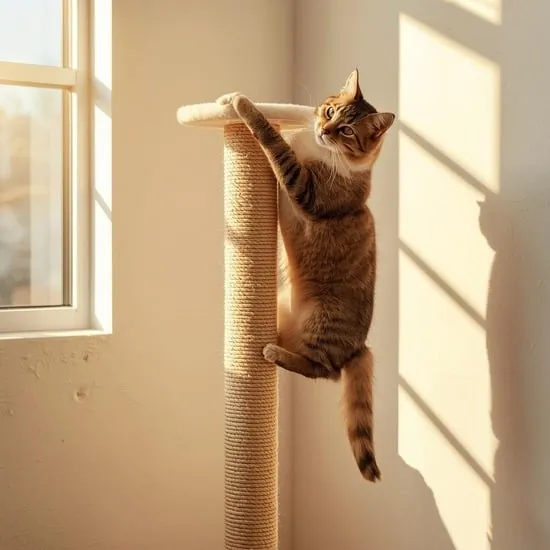
Cats don’t scratch to destroy your sofa; they do it to mark territory, stretch their muscles, and shed claw sheaths. The key is to give them a better option right where they need it. If your cat scratches the couch corner, place a sturdy, tall scratching post right next to that spot.
I have posts in every main room. Make them appealing by rubbing a little catnip on the sisal. Praise them lavishly when they use it. Covering the “off-limits” spot with double-sided tape for a short time can gently steer them toward their new post.
3. Create Vertical Territory
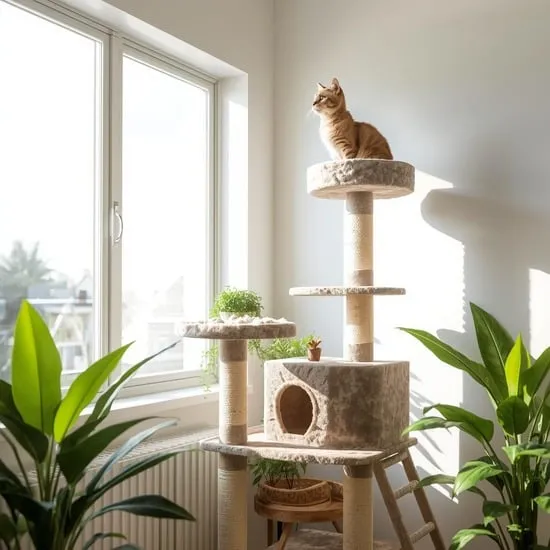
Cats feel safe and confident when they can survey their domain from up high. A lack of vertical space can lead to stress, which often shows up as hiding, aggression, or inappropriate elimination. I added simple wall shelves and a tall cat tree by a window.
Watching the world from a safe perch is enriching and reduces competition in multi-cat homes. It gives your cat an escape route and a sense of control, which dramatically improves their overall mood and behavior.
4. Keep the Litter Box Impeccable
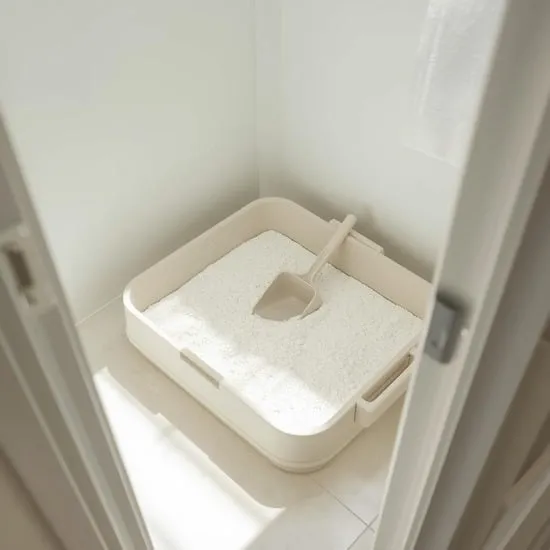
This is non-negotiable. Cats are incredibly fastidious, and a dirty box is the number one reason they start going outside of it. I scoop my boxes twice daily. It takes one minute and makes all the difference.
Also, follow the “one box per cat, plus one extra” rule and place them in quiet, low-traffic areas. Avoid covered boxes if your cat seems hesitant—they can trap odors. A clean, accessible litter box solves a huge percentage of “problem” behaviors instantly.
5. Use Positive Reinforcement, Always
Yelling, spraying with water, or rubbing their nose in a mess doesn’t work. It only teaches your cat to fear you. Instead, I focus on catching my cat being good. When she uses her scratching post, I give a treat and a “good girl!”
Reward the behavior you want to see. For unwanted behaviors, redirect. If she’s scratching the chair, I calmly move her to the post and reward her for using it. This builds trust and clearly shows her what the “right” choice is.

6. Establish a Consistent Routine
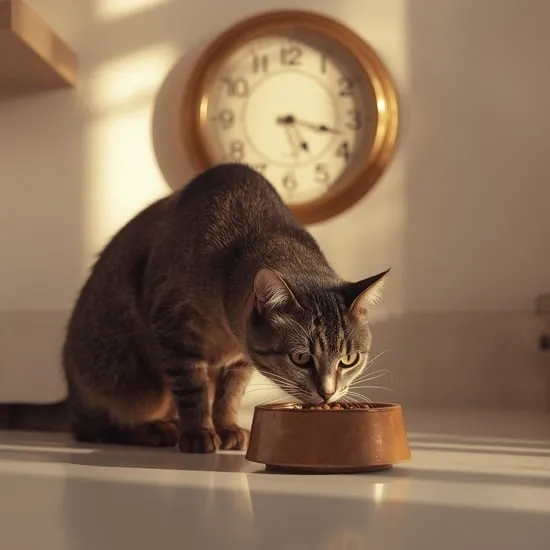
Cats are creatures of habit and thrive on predictability. An erratic schedule can cause anxiety, leading to attention-seeking meowing or stress-related issues. I try to feed, play, and have quiet time around the same times each day.
This is especially helpful for curbing early morning wake-up calls. A consistent play-and-feed routine right before bed signals that it’s time to settle down for the night, helping you both get better sleep.
7. Address Multi-Cat Dynamics
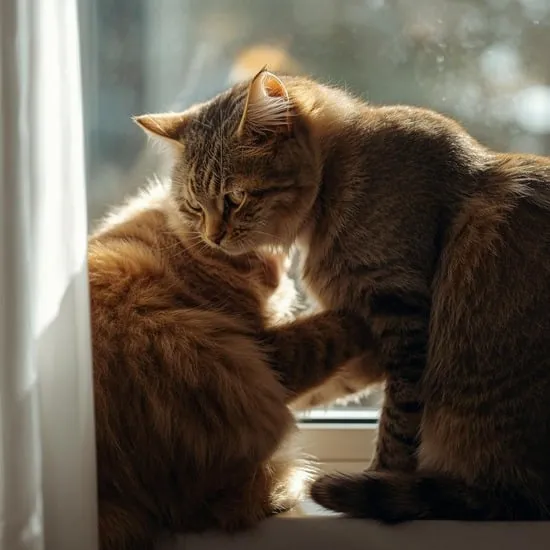
Conflict between cats is often subtle and can cause behaviors like spraying, not eating, or fighting. Ensure you have enough key resources—separate food bowls, water stations, litter boxes, and sleeping spots—spread throughout the home.
I learned that forcing “best friends” doesn’t work. Using pheromone diffusers and providing individual attention can reduce tension. Sometimes, just giving them more space from each other is the simplest fix.
8. Offer Mental Enrichment
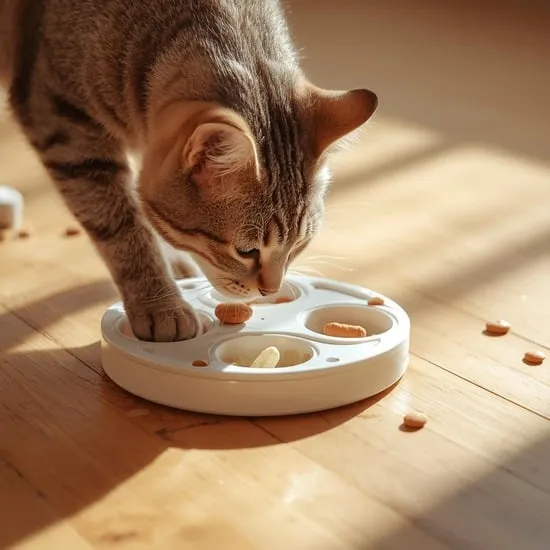
Physical play is vital, but don’t forget their brain! Food puzzles are a game-changer for my cat. They turn mealtime into a rewarding, engaging activity that satisfies their problem-solving instincts.
Simple DIY enrichment works too: a cardboard box with holes, a paper bag on its side, or hiding treats in a muffin tin covered with balls. A mentally stimulated cat is a calm, well-behaved cat.
9. Learn to Read Feline Body Language
Much of “misbehavior” is a misunderstanding. A swishing tail doesn’t mean “happy”—it often means “overstimulated, please stop petting me.” I started watching for ear positions, tail flicks, and pupil dilation.
By respecting when my cat says “no” with her body, I avoid getting scratched or bitten. This builds immense trust. She knows I’ll listen, so she doesn’t have to escalate to make her point.

10. Rule Out Medical Issues First
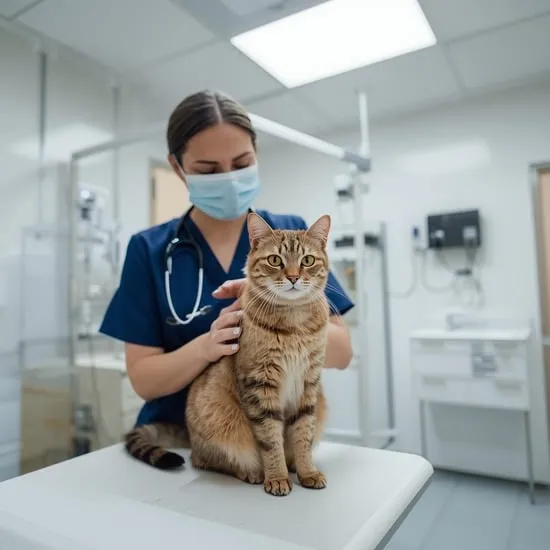
This is the most important step. A sudden change in behavior is often the first sign of illness. If your cat stops using the litter box, becomes aggressive, or vocalizes more, a vet visit is essential.
I learned this the hard way. My cat’s sudden grumpiness was actually due to a painful toothache. Pain, arthritis, urinary issues, and hyperthyroidism can all manifest as “bad” behavior. Always check with your vet to rule this out.
Conclusion: Patience is Your Best Tool
Transforming your cat’s behavior doesn’t happen overnight. It’s a journey of building trust and understanding. I started with just one of these tips—better play sessions—and saw a noticeable difference within a week. Celebrate the small wins. When your cat chooses the post over the couch, that’s a victory!
Remember, you’re not fighting your cat; you’re learning their language and meeting their needs. A happy, fulfilled cat is naturally a better-behaved companion. The bond you’ll build through this process is the greatest reward of all.
Quick Behavior FAQ
- Q: How do I stop my cat from waking me up at night?
- A: Ignore the behavior completely (no talking, no eye contact) and invest in earplugs for a week. Ensure a vigorous play session followed by a meal right before your bedtime to encourage them to sleep.
- Q: Why does my cat suddenly scratch furniture they ignored before?
- A: It could be stress from a change (new pet, furniture, schedule), a need for more scratching outlets, or a medical issue like arthritis making their old post uncomfortable. Review recent changes and check with your vet.
- Q: Is it too late to train my older cat?
- A> Absolutely not! Cats of any age can learn new habits with patience and positive reinforcement. An older cat may adapt even faster because they are calmer and more settled.
- Q: My cat bites me during petting. What does this mean?
- A: This is called “petting-induced aggression.” Your cat is overstimulated. Watch for warning signs like tail twitching, skin rippling, or ears going back, and stop petting before the bite happens. Keep petting sessions short.
- Q: How long will it take to see improvement?
- A: For simple issues like using a new scratching post, you might see change in days. For deep-seated habits or anxiety-related behaviors, give any new strategy at least 2-4 weeks of consistent effort before evaluating.