7 Simple Ways to Keep Cat Pee Out of Carpet & Furniture
If you’ve ever walked into a room and gotten that unmistakable, stomach-sinking whiff, you know the struggle is real. Cat pee on carpets or furniture isn’t just a smelly problem—it’s a stubborn one that can feel totally defeating. I’ve been there, scrubbing on my hands and knees, wondering if my favorite rug is a lost cause.
But here’s the good news: with the right approach, you can stop the accidents before they start and tackle any mishaps that do occur. It’s all about understanding the “why” and having a game plan. These seven simple strategies have been my saving grace, turning my home back into a fresh, peaceful space for both me and my feline friend.
1. Rule Out Medical Issues First
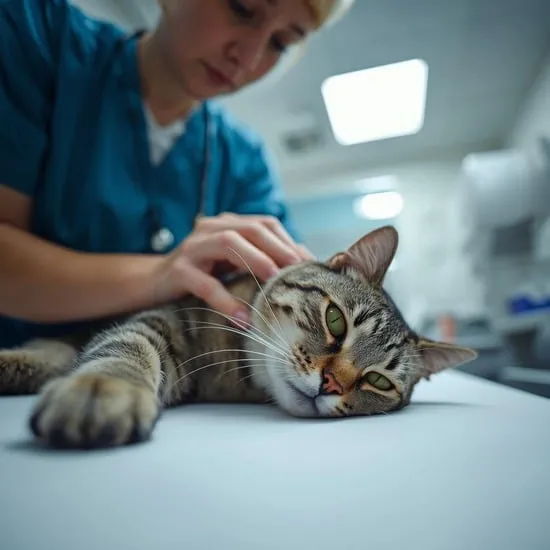
This is always step one. A sudden change in litter box habits is often your cat’s only way of telling you something is wrong. Issues like urinary tract infections, bladder stones, or kidney disease can make urination painful and urgent, leading to accidents.
If your normally well-behaved kitty starts peeing outside the box, a vet visit is non-negotiable. It’s not a behavioral fix, but it’s the most crucial and caring step you can take. Addressing health problems can solve the issue entirely and gives you peace of mind.
2. Become a Litter Box Detective
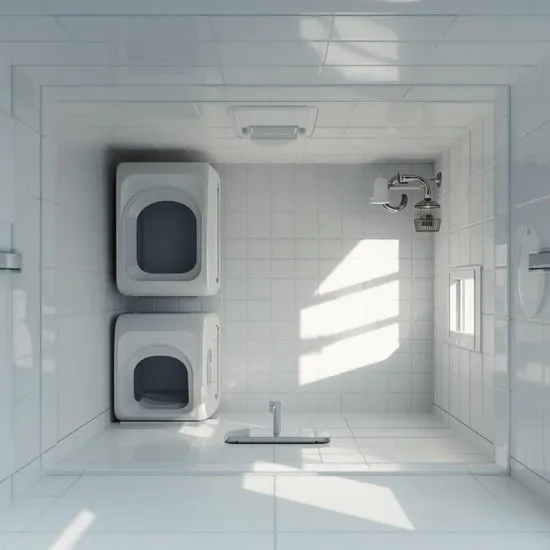
Cats are incredibly particular about their bathroom. If they’re avoiding the box, it’s usually for a good (in their opinion) reason. The golden rule is one box per cat, plus one extra, placed in quiet, low-traffic areas.
Ask yourself: Is it scooped daily? Is it too deep or too shallow? Is the litter type suddenly different or scented? Many cats hate covered boxes because they trap odors. I found that switching to a larger, open box with unscented, fine-clump litter made a world of difference. Cleanliness and choice are key.
3. Clean Accidents with an Enzyme Cleaner—Every Time
Regular cleaners might mask the smell to you, but they leave behind invisible proteins that scream “bathroom here!” to your cat. This is how one accident becomes a recurring problem.
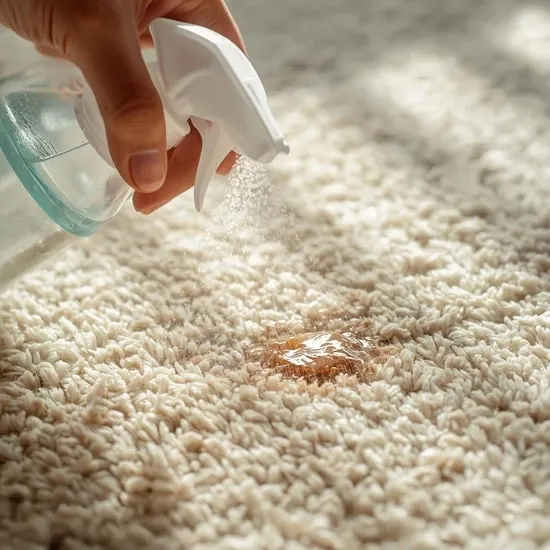
An enzymatic cleaner is the only thing that biologically breaks down the urine molecules, eliminating the odor completely. Soak the area thoroughly, let it dry fully, and repeat if needed. I keep a bottle ready to go for any surprise incidents. It’s the most important tool in your odor-elimination arsenal.
4. Block Access to Favorite “Wrong” Spots
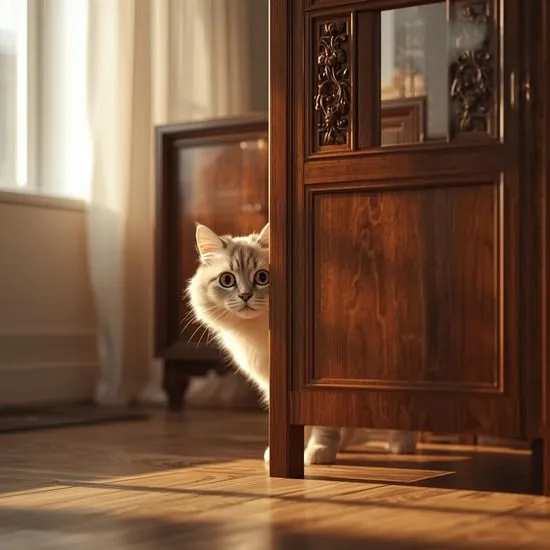
Sometimes, you need a physical barrier to break the habit. If your cat has developed a fondness for a particular corner of the carpet or a certain chair, make it inaccessible or unappealing for a while.
Try placing double-sided tape, aluminum foil, or a plastic carpet runner (nubby side up) on the spot. You can also place a piece of furniture over it temporarily. The goal is to make the location unpleasant or impossible to use, giving the new, proper habits a chance to stick.
5. Use Pheromone Diffusers to Reduce Stress
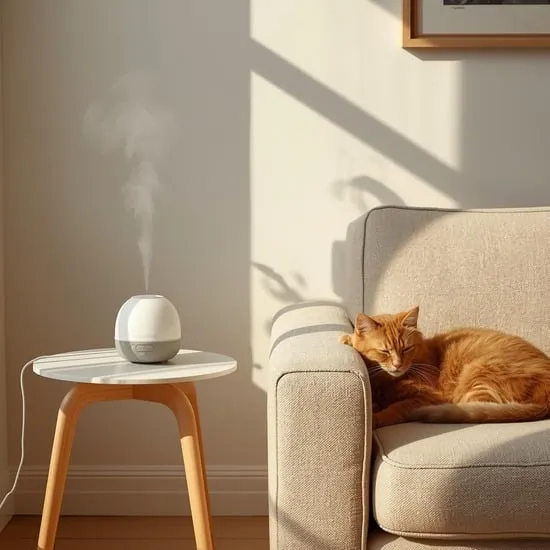
Cats often pee outside the box due to stress or anxiety. Changes in the household, new pets, or even outdoor cats seen through a window can trigger this. Synthetic feline pheromone diffusers mimic the “happy” signals cats leave when they rub their faces on things.
Plugging one in near a problem area or in a central room can create a calming environment. I noticed a more relaxed vibe in my home after using one, which translated into fewer territorial markings. It’s a gentle, passive way to promote peace.
6. Create Positive Associations with Problem Areas
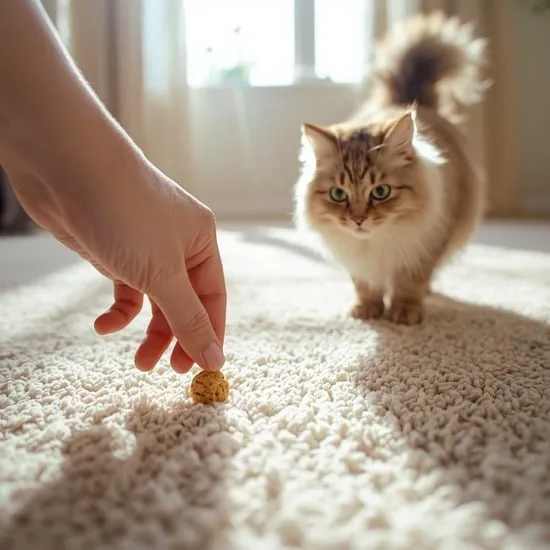
Once an area is thoroughly cleaned, you want your cat to think of it as anything but a bathroom. Transform that spot into a space for fun, food, or relaxation.
Place your cat’s food bowl, a cozy bed, or a favorite scratching post over the cleaned area. Cats are very unlikely to soil where they eat or sleep. This positive association helps reprogram their brain about the purpose of that particular spot in your home.
7. Deep Clean Carpets & Upholstery Regularly
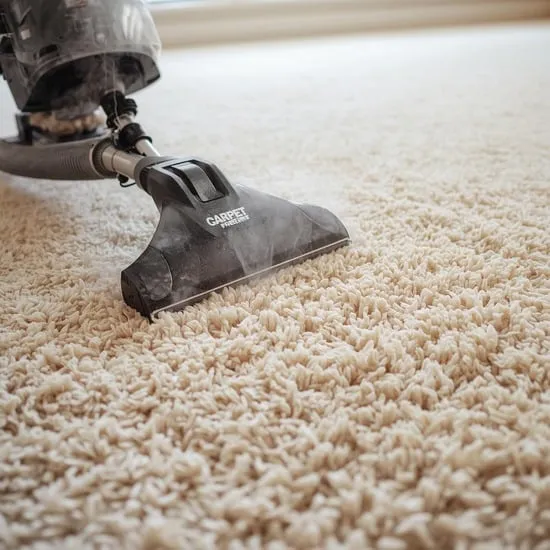
Even with the best enzyme cleaner, old, deep-set odors in carpets or furniture padding can linger. A professional-grade steam cleaner (you can rent them) is a game-changer for pulling out any residual stains and smells you might have missed.
I make it a seasonal task. Using hot water and a cleaning solution designed for pet odors, I go over the entire carpet, paying special attention to any past trouble zones. It resets the room and ensures no hidden smells are inviting repeat performances.
Fresh Starts Are Possible
Dealing with cat pee can feel overwhelming, but it’s almost always a solvable puzzle. It combines detective work, deep cleaning, and a dash of empathy for your cat’s perspective. By addressing the root cause—whether it’s medical, environmental, or behavioral—you can reclaim your carpets and furniture. My home is proof that with patience and these straightforward steps, you can enjoy a fresh, accident-free space again.
Your Cat Pee Problems FAQ
Q: Why did my cat suddenly start peeing on my bed?
A: This is often stress-related or a sign of a medical issue. Beds smell strongly like you, and peeing on them can be a comfort-seeking behavior or a way of mixing scents when they feel insecure. See a vet first, then look for stressors.
Q: Will vinegar get rid of cat pee smell?
A: Vinegar can neutralize some ammonia smell temporarily, but it does not break down the uric acid crystals. For a permanent solution, you must use an enzymatic cleaner designed specifically for pet urine.
Q: How can I stop my cat from peeing on the same sofa cushion?
A> Deep clean it with an enzyme cleaner. Then, block access to that cushion for a week or two by covering it with a vinyl sheet or placing other items on it. Use a pheromone diffuser nearby and ensure litter boxes are pristine.
Q: Is my cat doing this out of spite?
A> No. Cats do not have the complex emotions for spite. Inappropriate elimination is a symptom of a problem—medical discomfort, stress, or an issue with their litter box setup. They’re trying to communicate, not get revenge.
Q: Can I use baking soda after an enzyme cleaner?
A> Wait until the enzyme-treated area is completely dry. Then, you can sprinkle baking soda to help absorb any lingering moisture and freshen the area before vacuuming. Don’t use it as a substitute for the enzyme cleaner.