8 Complete Homemade Cat Food Recipes Your Kitty Will Love
I used to worry every time I opened a can of commercial cat food. The long ingredient lists, the mystery meats, the preservatives—it all felt so far from the natural diet my cat deserves. So one afternoon, I decided to take matters into my own hands and start making her meals from scratch. It was intimidating at first, but once I saw how much she perked up, how soft her coat became, and how clean her litter box was, I never looked back.
These eight recipes are the ones I’ve tested and tweaked over the years. They’re balanced, complete, and made with simple ingredients you can find at any grocery store. Whether you’re a total beginner or already dabbling in homemade food, I promise you’ll find something that works for your feline friend.
What You’ll Need to Get Started
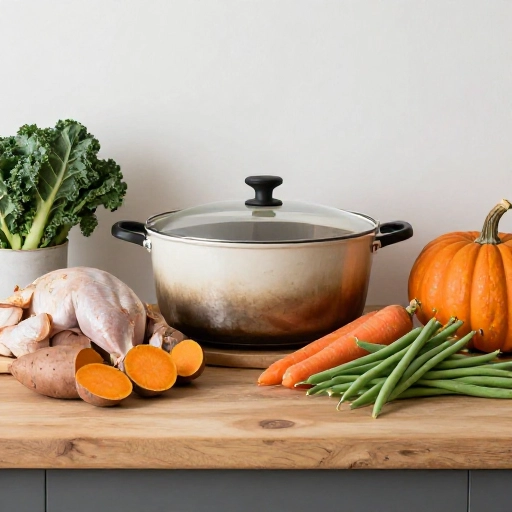
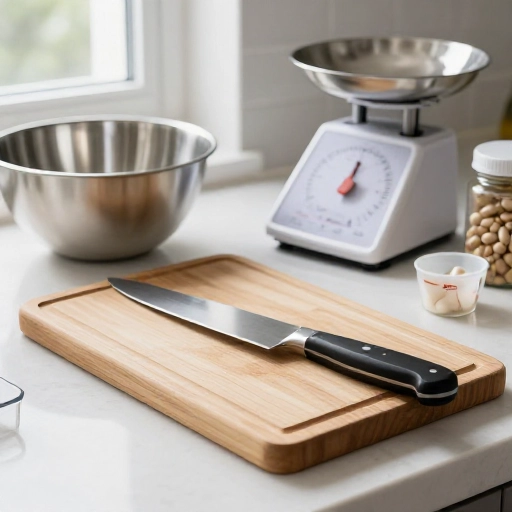
Before we dive into the recipes, let’s talk gear. You don’t need anything fancy, but having the right tools makes everything easier. A good food scale is non-negotiable—cats need precise portions, especially for supplements. A blender or food processor helps with pureeing veggies and mixing powders. You’ll also want storage containers: small glass jars or silicone ice cube trays work perfectly for portioning.
Oh, and a dedicated set of cutting boards and knives goes a long way. Trust me, you don’t want raw chicken juice mingling with your dinner salad. Keep it separate and safe.
Recipe 1: Simple Chicken & Rice
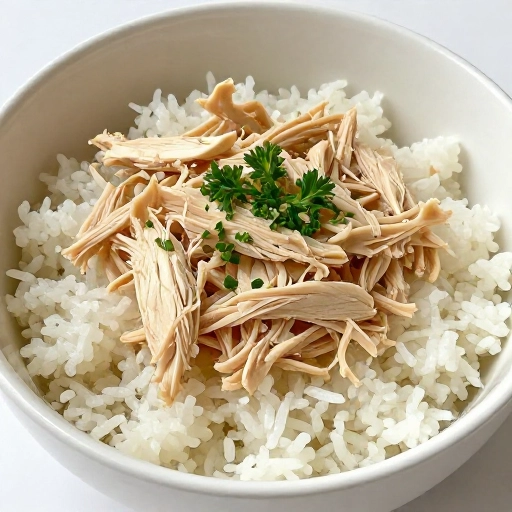
This is the one I started with. It’s gentle on the stomach and a great base for beginners. Boil boneless, skinless chicken thighs until fully cooked, then shred or dice them. Mix with cooked white rice (about 1 part rice to 3 parts chicken) and a splash of the cooking liquid for moisture. That’s it. For a complete meal, add a feline-specific multivitamin or taurine powder according to package directions.
My cat, Mochi, would purr through every bite of this. It’s simple, but it’s a solid foundation.
Recipe 2: Turkey & Pumpkin Delight
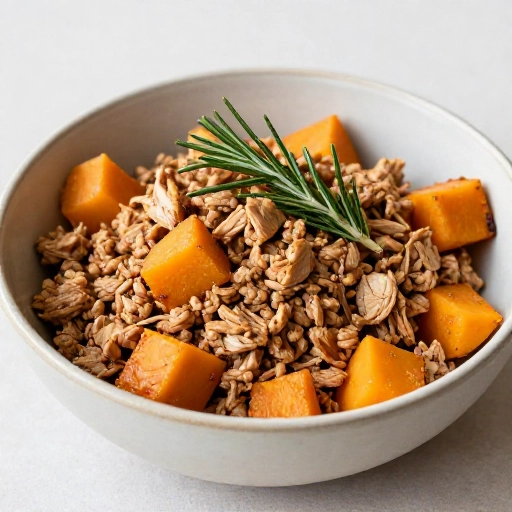
Turkey is a fantastic lean protein for cats, especially if they’re a little chunky. Brown ground turkey in a skillet with no oil, then drain any excess fat. Mix in canned pumpkin (not pie filling) for fiber and a handful of steamed green beans, finely chopped. The pumpkin helps digestion, and my cats go wild for the texture. Remember to add your taurine supplement—turkey is naturally low in this essential amino acid.
Recipe 3: Salmon & Sweet Potato
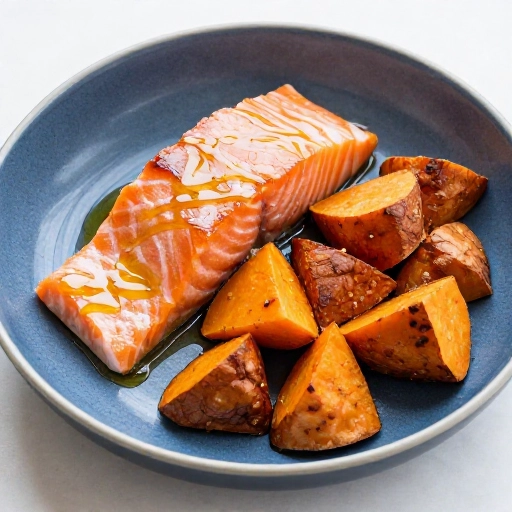
Fish can be tricky for cats, but salmon is a great source of omega-3s if used sparingly. Bake or poach a salmon fillet until flaky, then remove all bones. Mash a small, cooked sweet potato (skin removed) and mix with the salmon at a 1:4 ratio. This one is rich, so I only serve it once or twice a week. My cat’s coat turned so shiny after adding this to her rotation.
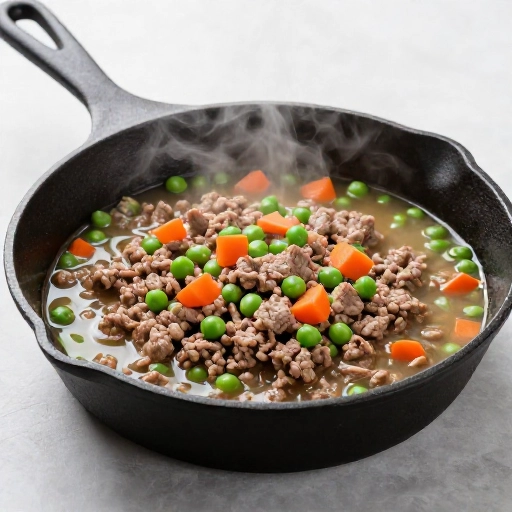
Recipe 4: Beef & Carrot Stew
For heartier appetites, this beef recipe is a winner. Simmer lean beef chunks in water or low-sodium broth until tender. Shred or dice the meat, then mix with finely grated, lightly steamed carrots. The cooking liquid becomes a natural gravy—just strain it and pour a little over the mix. Beef has more fat than poultry, so I balance it with a calcium supplement (like eggshell powder) to keep the mineral ratio right.
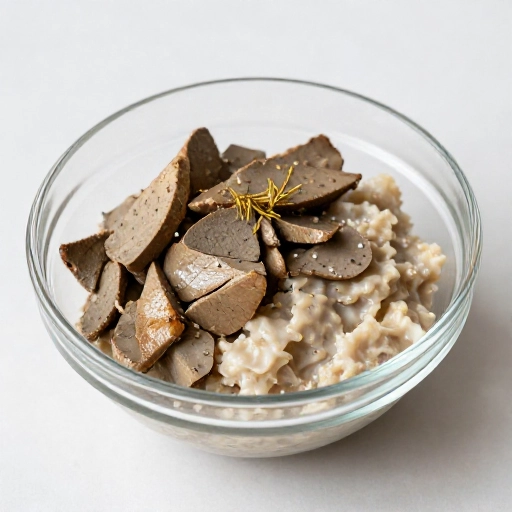
Recipe 5: Chicken Liver & Oatmeal
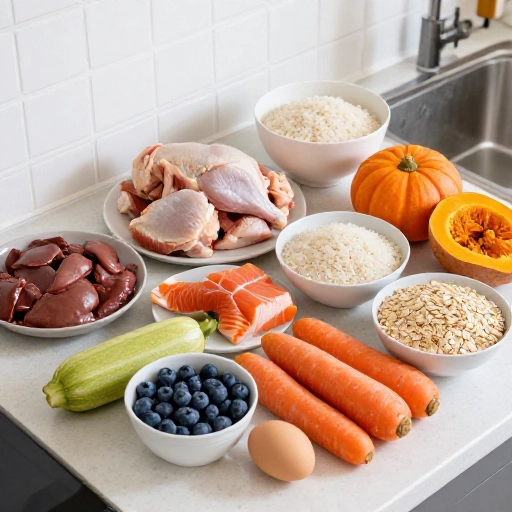
Liver is a nutritional powerhouse, but it’s strong. I pair it with bland oatmeal to tone it down. Cook a small amount of chicken liver (about 2 ounces per serving) until just done, then puree it. Mix with plain, cooked oatmeal (no sugar or butter) at a 1:2 ratio. The oatmeal adds fiber and makes the liver more palatable. This recipe is especially good for cats who need a little iron boost.
Start with tiny portions—liver can cause loose stools if you go overboard.
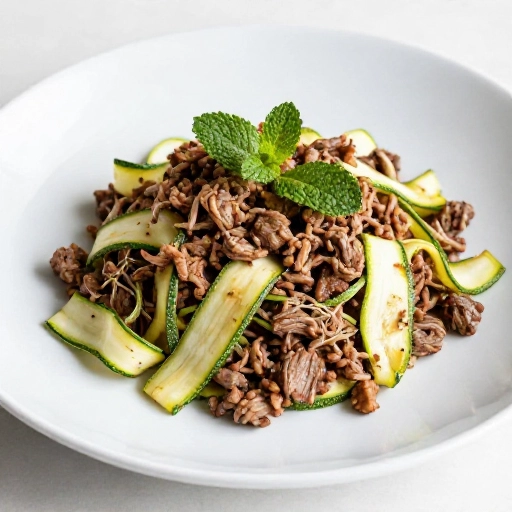
Recipe 6: Lamb & Zucchini
Lamb is a novel protein, perfect for cats with food sensitivities. Brown ground lamb, drain the fat, and mix with finely diced zucchini that’s been steamed or microwaved until soft. The zucchini adds moisture and a touch of green goodness. I always add a fish oil capsule (pierce and squeeze) for extra omega-3s. Serve lukewarm, because lamb fat congeals when cold.
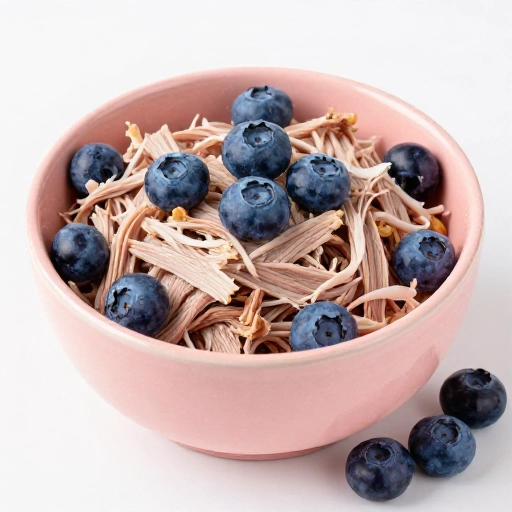
Recipe 7: Rabbit & Blueberry
If you can find rabbit meat, it’s one of the leanest and most natural options for cats. Simmer rabbit pieces until falling off the bone, then shred. Mix with a handful of fresh or frozen blueberries (halved) and a tablespoon of plain yogurt for probiotics. Yes, blueberries are safe for cats in small amounts—they’re full of antioxidants. My picky eater actually licks the bowl clean with this one.
Recipe 8: Egg & Cottage Cheese
This is my go-to quick meal when I’m out of meat. Scramble one egg in a non-stick pan (no oil or butter), then chop it finely. Mix with a spoonful of low-fat cottage cheese and a pinch of taurine powder. The egg provides complete protein, and the cottage cheese adds calcium. It’s not a daily staple, but it’s perfect for emergencies or when your cat needs a gentle meal.
I only use pasteurized eggs to avoid any salmonella risk.
[[IMG:IMG10]]
Why These Recipes Work
I didn’t just throw ingredients together and hope for the best. Each recipe follows the same core principles: high-quality animal protein as the base, a small amount of safe vegetables for fiber and micronutrients, and a supplement strategy to fill any gaps. Cats are obligate carnivores, so meat is non-negotiable—but a little variety keeps them interested and gives them a range of nutrients.
The key is balance over the week, not every single meal. As long as you rotate proteins and include supplements (especially taurine, calcium, and a feline multivitamin), your cat will thrive. I’ve seen it happen with my own two fur babies.
[[IMG:IMG11]]
Conclusion
Making your own cat food is one of the most loving things you can do for your pet. It takes a little planning, but the payoff is huge: a healthier, happier, more vibrant cat who shows you every day how grateful they are. Start with one recipe, see how your cat responds, and build from there. You’ve got this.
[[IMG:IMG12]]
Frequently Asked Questions
1. Do I really need to add supplements?
Yes, absolutely. Homemade diets can be deficient in taurine, calcium, and other essential nutrients. A good feline multivitamin and taurine powder are must-haves for every recipe.
2. How long can I store these recipes?
Store in the fridge for up to 3 days, or freeze in portion-sized containers for up to 3 months. Thaw in the fridge overnight and serve at room temperature.
3. Can I feed these recipes to kittens?
Kittens have different nutritional needs—more protein, calcium, and calories. These recipes are designed for adult cats. For kittens, consult your vet first.
4. My cat is picky. What should I try first?
Start with the Simple Chicken & Rice or the Egg & Cottage Cheese. Both have mild smells and textures that even fussy cats tend to accept. Warm the food slightly to make it more aromatic.
5. Can I mix these recipes with commercial food?
Yes, many cats do well on a combination. Just make sure you’re not over-supplementing. If you feed half homemade and half commercial, reduce the supplements accordingly.
[[IMG:IMG13]]