A Step-by-Step Plan to Start a 14 Dog Grooming Business
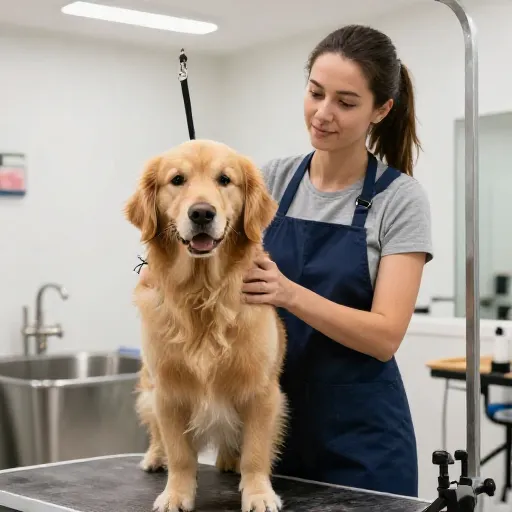
So, you’re thinking about turning your love for dogs into a full-blown career. Starting a dog grooming business is one of the most rewarding paths you can take, but let’s be real—it’s not just about giving fluffy pups a bath. It takes planning, patience, and a little bit of business savvy to make it work.
I’ve put together a simple, step-by-step plan that walks you through everything from your first training session to booking your very first client. Whether you’re dreaming of a home salon or a mobile setup, these fourteen steps will help you build a solid foundation. Grab a coffee (or a treat for your furry helper) and let’s get started on this exciting journey together.
1. Get Certified and Keep Learning
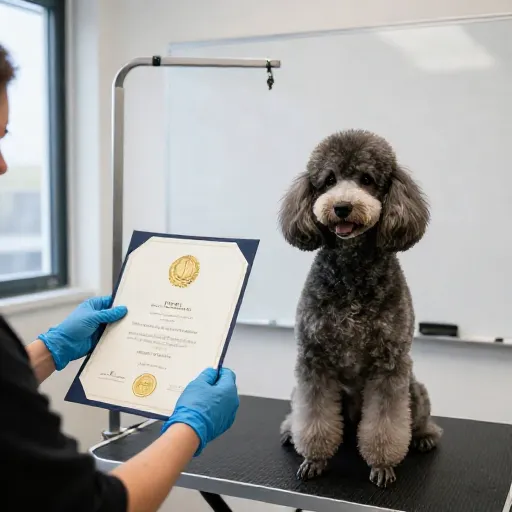
Before you even pick up a pair of clippers, you need to learn the ropes. Dog grooming is a skilled trade, and there’s a lot more to it than just a good blowout. Look for a reputable grooming school in your area or an online certification program that covers breed-specific cuts, handling techniques, and safety protocols.
I know it feels like a big investment, but trust me, your future clients (and their owners) will thank you for it. Plus, continuing education keeps you sharp. Attend workshops and watch tutorials to learn about new styles and tools. The more you know, the more confident you’ll feel with every dog that walks through your door.
2. Decide on Your Business Model
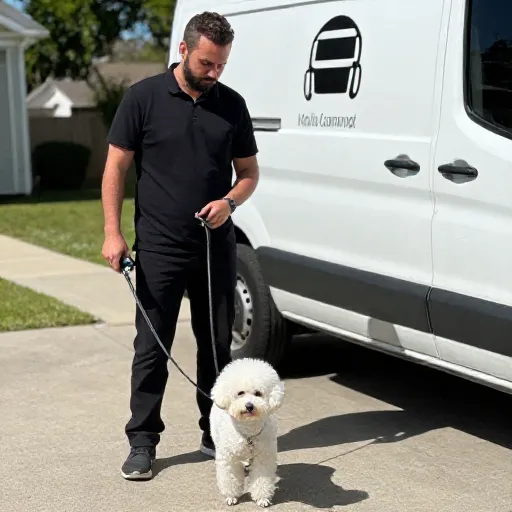
Now for the fun part—figuring out how you want to run your business. Do you want to work from home, rent a space inside an existing pet store, or invest in a mobile grooming van? Each option has its pros and cons. A home salon is low-cost, but mobile grooming is super convenient for your clients.
Think about your lifestyle and budget. I started with a small home setup to keep costs low while I built my client list. If you’re renting a space, make sure you check the lease terms and zoning laws. Take your time with this decision because it’s the foundation of your whole operation.
3. Create a Simple Business Plan
You don’t need a 50-page document, but a simple business plan is a must. This isn’t just homework—it’s your roadmap. Write down your startup costs, your pricing strategy, and who your target customers are. Are you focusing on small breeds, or do you love working with giant fluffy dogs?
Your plan will also help you figure out how many dogs you need to groom per day to break even. Keep it simple and update it as you grow. This little piece of paper (or a Google Doc) will keep you grounded when things get busy, and it’s also a great tool if you ever need to apply for a small business loan.

4. Get Legally Registered and Insured
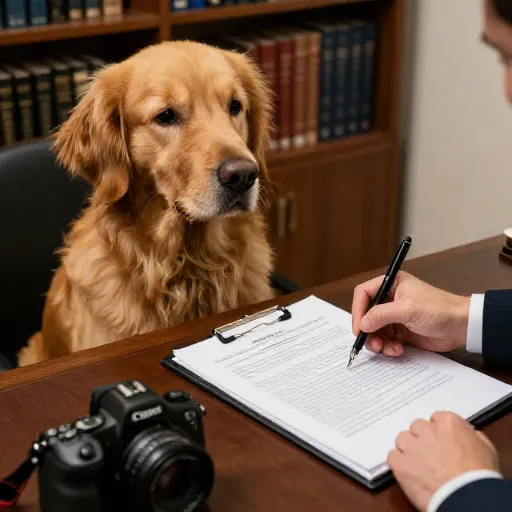
Let’s talk about the not-so-glamorous side of things: paperwork. You need to register your business name and decide on a legal structure, like an LLC or a sole proprietorship. This isn’t just bureaucracy—it protects you personally if anything goes wrong.
Insurance is non-negotiable in this field. You’ll want liability insurance that covers you if a dog gets injured or if someone trips in your salon. It’s a small monthly cost that gives you massive peace of mind. Trust me, you never want to be in a situation where you have to pay out of pocket for an accident.
5. Set Up Your Bank Accounts and Pricing
Keeping your business money separate from your personal money is a game-changer. Open a dedicated business checking account and maybe even a savings account for taxes. It makes bookkeeping a breeze and helps you see exactly how much you’re actually making.
Now, about pricing—this can feel awkward. Look at what other groomers in your area charge and set your prices accordingly. Don’t undersell yourself! Remember, you’re charging for your time, your skill, and the fact that you’re handling someone’s beloved pet. Start with a baseline and adjust as you gain more experience.
6. Stock Up on Quality Tools
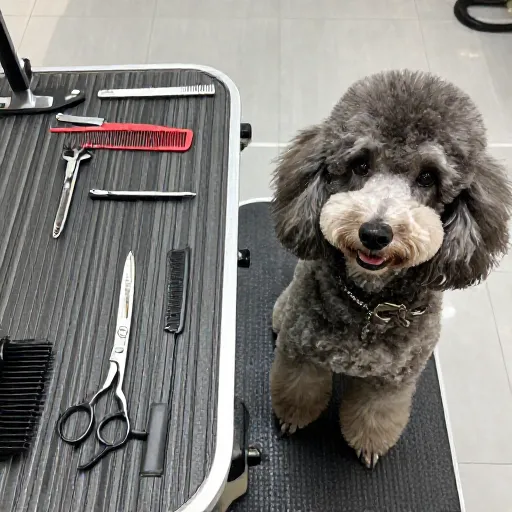
You can’t groom a dog without the right gear. Invest in high-quality clippers, shears, brushes, and combs. Trust me, cheap tools will break down fast and make your job way harder than it needs to be. Start with the essentials: a good dryer, a grooming table, and a sturdy tub.
Don’t forget the little things—nail clippers, ear cleaner, and styptic powder for the occasional nail nick. As you grow, you can add fun extras like cologne sprays and bandanas. Your tools are your lifeline, so take care of them and they’ll take care of you.
7. Find Your Perfect Grooming Space
If you’re working from home, you need to carve out a dedicated area. It should have good lighting, plenty of outlets, and floors that are easy to clean. If you’re renting a space, think about the layout—you want a smooth flow from the check-in area to the tubs and then to the drying tables.
Make sure your space is comfortable for the dogs, too. A quiet area with some calming music can make a huge difference for anxious pups. And remember, this is your workspace, so keep it organized. A tidy salon is a safe salon.
8. Develop a Safety and Handling Routine
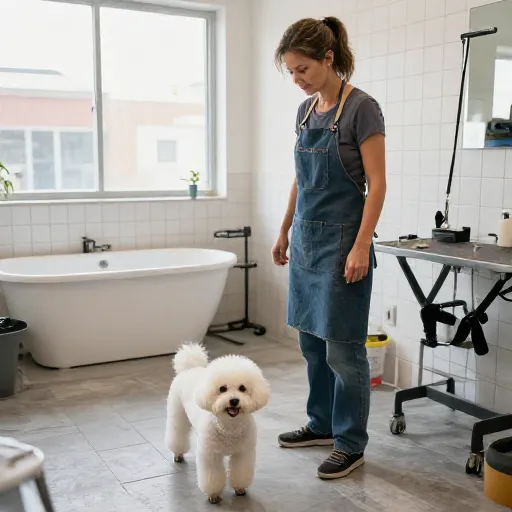
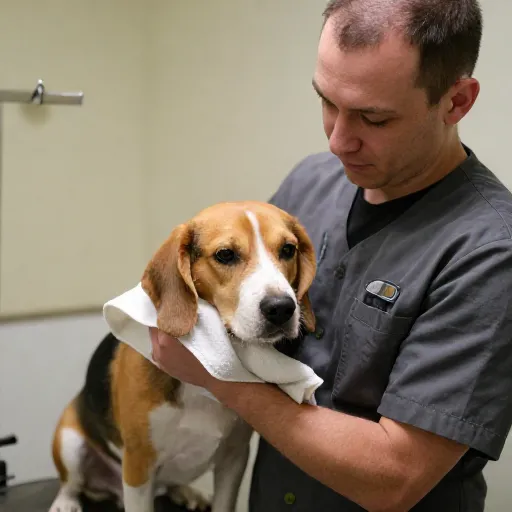
Every dog is different, and some are nervous, scared, or just plain wiggly. You need to have a system for keeping yourself and the dog safe. Always start with a good greeting and a quick health check. Look for any bumps, cuts, or signs of skin issues that you should mention to the owner.
Learn how to properly lift large breeds to protect your back, and always use a grooming loop to keep the dog secure on the table. Never leave a dog unattended on a table—even for a second. It only takes a moment for them to jump, and that can lead to a serious injury.
9. Craft a Bulletproof Booking System
If you’re still using your personal phone to book appointments, it’s time to upgrade. Set up a dedicated business email and a simple booking app or a Google Calendar that you can share with clients. You need a system that reminds you of appointments and sends confirmations to your customers.
Don’t forget to build in extra time between appointments, especially in the beginning. Grooming always takes longer than you think, and you don’t want to rush a dog just to stay on schedule. A good booking system will save you from double-booking and keep your day stress-free.

10. Build a Client Intake Form
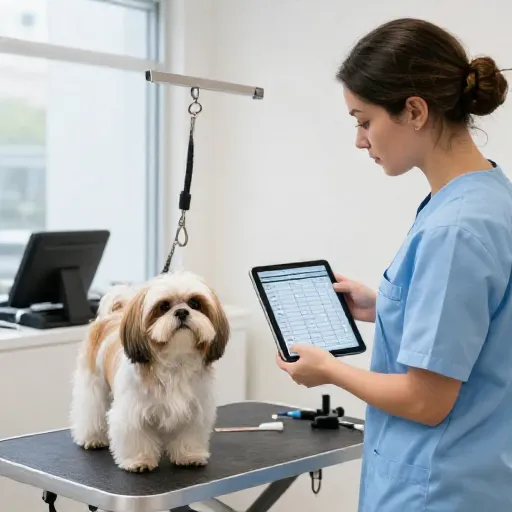
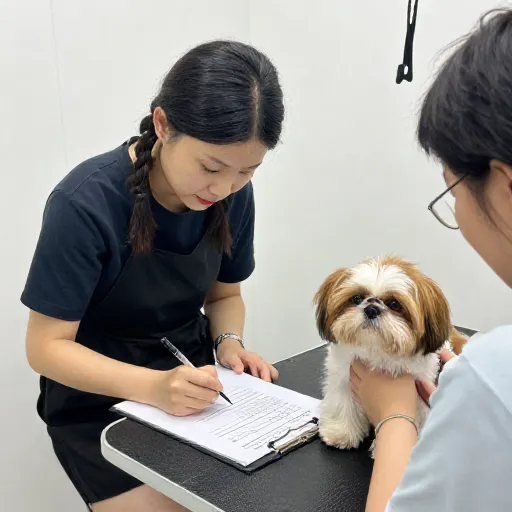
This is your secret weapon for a smooth grooming session. Create a simple form that captures the owner’s contact info, the dog’s name, breed, age, and any medical conditions. But don’t stop there—ask about their personality. Do they hate the dryer? Are they afraid of nail trims?
Also, make sure you get a signature on a liability waiver. It protects you and sets expectations with the owner. I always review the form before the dog even comes in so I know what I’m dealing with. It makes you look super professional and keeps everyone on the same page.
11. Master the Art of the First Impression
The moment a client walks in (or you pull up in your van), they are judging you. Be friendly, be warm, and show genuine interest in their furry family member. Take a moment to pet the dog and let them sniff you before you grab the leash.
Communicate clearly about what you’re going to do and how long it will take. Ask the owner if they have any specific requests. Building that rapport is what brings people back time and time again. People don’t just want a good groom—they want to feel like their dog is in loving hands.
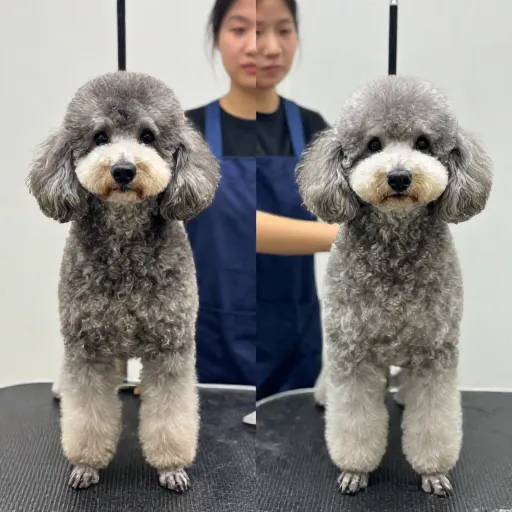
12. Harness the Power of Before and After Photos
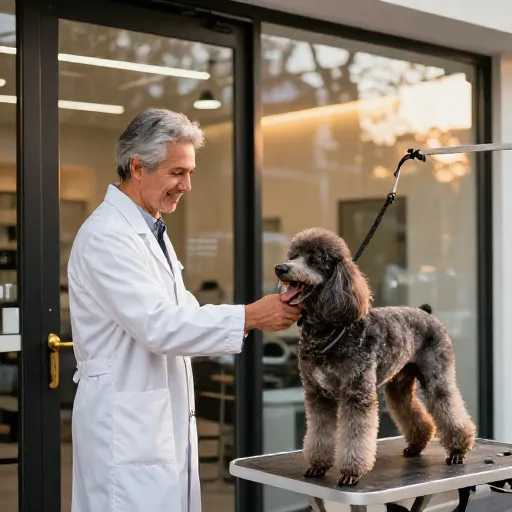
This is the best marketing tool you have, and it’s free! Take a great “before” photo and a stunning “after” photo of every dog you groom. (With the owner’s permission, of course.) Make sure the lighting is good and the dog is looking at the camera.
Post these photos on your business Instagram or Facebook page. It’s visual proof of your skills and it gets people excited. I can’t tell you how many clients I’ve gotten just from a cute before-and-after of a matted poodle looking like a fluffy cloud afterwards.
13. Create a Loyalty and Referral Program
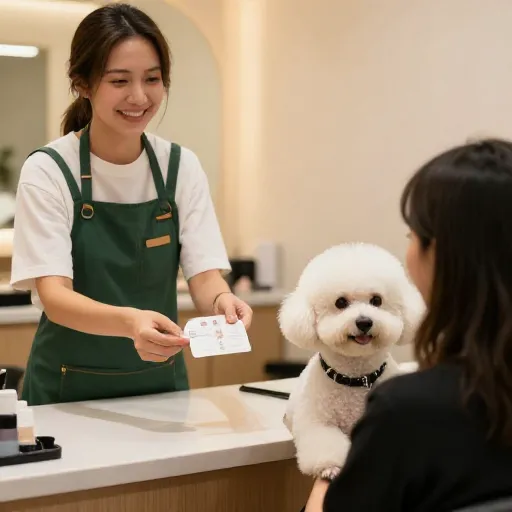
Happy clients are your best advertisers. Encourage them to spread the word by offering a simple referral reward, like a free nail trim or a discount on their next full groom. Word-of-mouth is gold in the pet industry because people trust their friends’ recommendations.
You can also set up a loyalty punch card—get five grooms, get the sixth half price. It’s a small cost to you, but it keeps people coming back. Plus, it shows you value their business and want to build a long-term relationship with them and their pups.
14. Focus on the Finish
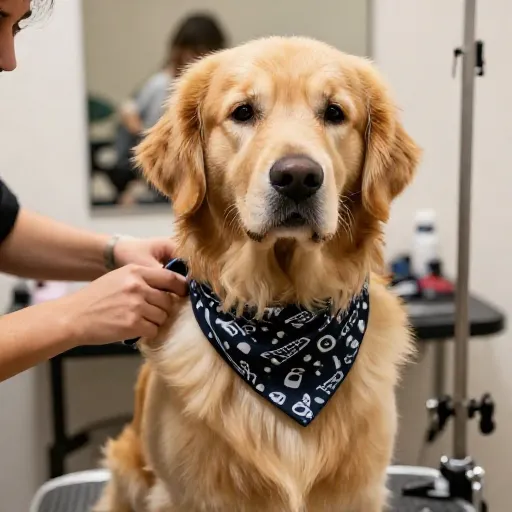
This is what sets you apart from the rest. The groom isn’t over when the dog is dry. Take the time to do the little details—trimming the paw pads, cleaning the wrinkles on a bulldog, or adding a cute bandana or a spritz of light cologne. These finishing touches make the owner smile.
Before you hand the pup back, do a final check. Are the ears clean? Are the nails smooth? Give the dog a little treat and a cuddle before they go. That positive final moment is what the dog remembers, and it will make the next visit so much easier.
Conclusion
Starting a dog grooming business is a lot of work, but it is so worth it. There will be days when you’re covered in fur and smell like wet dog, but there will also be days when a shy pup finally trusts you or a client cries happy tears at how amazing their dog looks. Those moments make it all worthwhile.
Take this plan one step at a time. You don’t have to have everything perfect on day one. Just keep learning, keep loving the animals, and keep showing up. Before you know it, you’ll have a full schedule of happy, clean, and wiggly clients waiting for you.
Frequently Asked Questions
Q: How much money do I need to start a dog grooming business from home?
You can start small for around $2,000 to $5,000 if you already have a space. This covers a good tub, a grooming table, clippers, dryers, and basic supplies. You can upgrade your tools as your income grows.
Q: Do I need a license to groom dogs?
It depends on where you live. Some states and cities require certification or a business license, while others don’t have strict rules. Always check your local regulations to make sure you’re compliant. Even if it’s not required, getting certified is a great idea.
Q: How long does it take to groom a dog?
For a small, well-behaved dog, it usually takes about 1 to 2 hours. Larger dogs or dogs with heavy matting can take 3 hours or more. As you practice, you’ll get faster, but always prioritize safety over speed.
Q: What if a dog bites me?
It can happen, even to the best groomers. Your safety training should teach you how to read a dog’s body language. If you feel uncomfortable, stop the groom and talk to the owner. It’s totally okay to turn away a dog that is too aggressive for you to handle safely.
Q: Should I offer mobile grooming or a physical salon?
Mobile grooming is amazing for convenience and often lets you charge higher prices, but it has a high startup cost. A physical salon or a home setup is cheaper to start. Think about your local market and what makes the most sense for your budget and lifestyle.