Beginner’s Guide to Puppy Socialization for Confident Dogs
When I brought my first puppy home, I had no idea how important early socialization was. I thought love, food, and cuddles were enough. But as days passed, I realized that helping my puppy explore the world with confidence was just as essential as feeding or training. Puppy socialization shapes their behavior, confidence, and reaction to people, other dogs, and new environments.
In simple words, puppy socialization means gently introducing your pup to new experiences. This includes sounds, smells, surfaces, people, animals, and even basic handling. When done right, it helps prevent fear-based behaviors later on. A well-socialized puppy grows into a calm, friendly, and adaptable adult dog.
Many new owners think they need to wait until their dog is fully vaccinated. I also believed this at first, but after talking to my vet and trainer, I learned that the prime socialization window is between 8 to 16 weeks. This is the time when puppies are naturally curious and open to new experiences without forming deep fears.
You can safely socialize your puppy during this window by being cautious—avoiding high-risk areas but still offering controlled exposure. Carrying your puppy in public places, inviting vetted dogs over, and creating positive associations can all be done safely while vaccinations are ongoing.
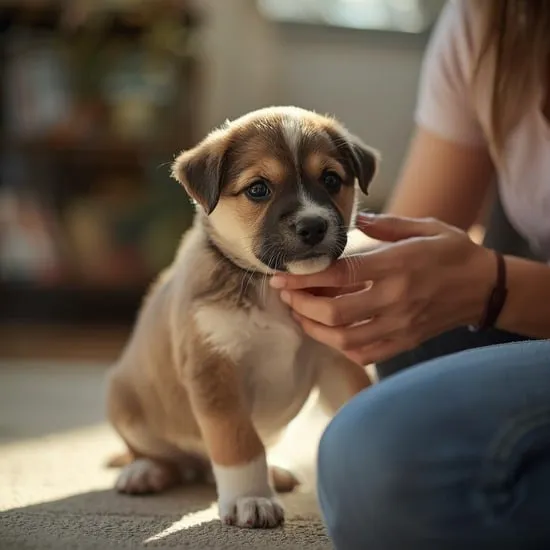
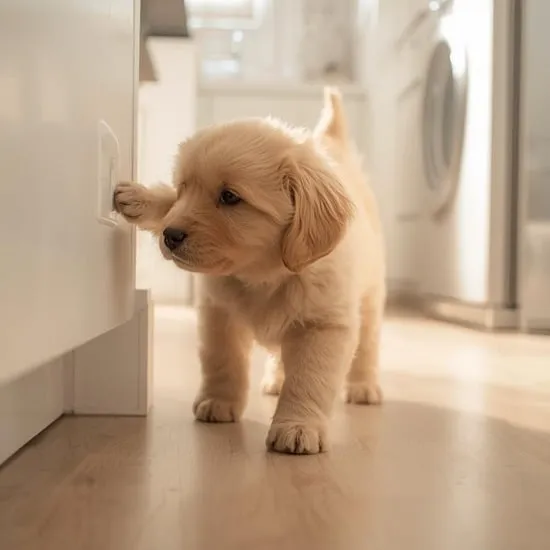
Home is the best place to start. When my puppy was tiny, I began with gentle handling—touching paws, ears, tail, and belly. This helps them feel safe during vet visits or grooming. I also introduced different sounds like the vacuum cleaner, kitchen appliances, or even clapping so they wouldn’t be startled later.
Another great method is letting your puppy explore different textures. My pup loved walking on blankets, hardwood floors, grass, and even bubble wrap. Each new texture builds confidence and gets them comfortable with unexpected sensations.
Meeting people is one of the most important parts of puppy socialization. I always made sure my puppy’s early experiences with humans were positive. Friends would sit on the floor, offer treats, and speak softly. This helped my pup associate new faces with happy moments instead of fear.
When it comes to other dogs, slow and steady wins the race. I arranged playdates with calm, vaccinated dogs. This gave my puppy a safe environment to learn social cues like body language, boundaries, and appropriate play. It taught my pup how to be polite in the dog world.
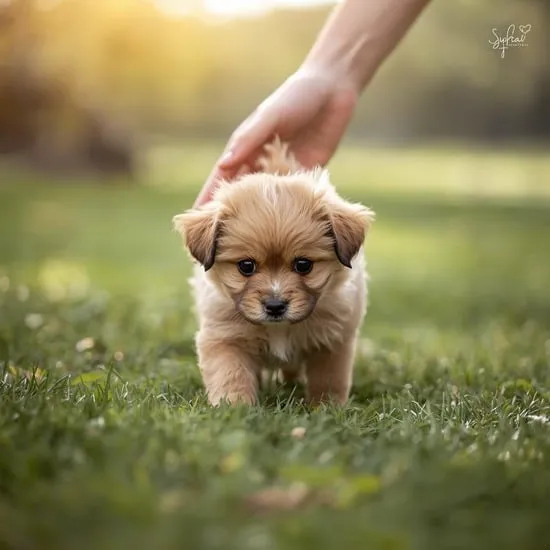
Once your puppy is comfortable at home, outdoor exploration becomes exciting. I started with short walks in quiet streets, slowly introducing cars, bicycles, and people at a distance. Every time my puppy showed curiosity or calmness, I rewarded them with treats or praise to reinforce that the world is a good place.
As confidence grew, we explored parks, pet-friendly stores, and even outdoor cafés. These real-world experiences helped my puppy become adaptable and well-mannered, even in busy environments.
The golden rule of puppy socialization is simple: make every new experience positive. Whether it’s meeting a child, hearing thunder, or seeing other pets, I always paired these moments with treats, gentle praise, or a fun toy. This teaches your puppy that new things equal good feelings.
If your puppy shows fear, never force them. Instead, take a step back and try again later with a slower approach. Positive associations build trust, and trust builds confidence.
Puppy socialization doesn’t have to be overwhelming. With patience, kindness, and consistent exposure, your puppy can grow into a brave and well-adjusted dog. The effort you put in during the early weeks will reward you with years of calm walks, friendly greetings, and joyful adventures together.
Remember, you’re shaping your puppy’s entire world. Make it full of love, reassurance, and gentle guidance—and you’ll raise a dog who feels safe no matter where life takes them.