Dog Crate Training Guide for Happy and Calm Pups
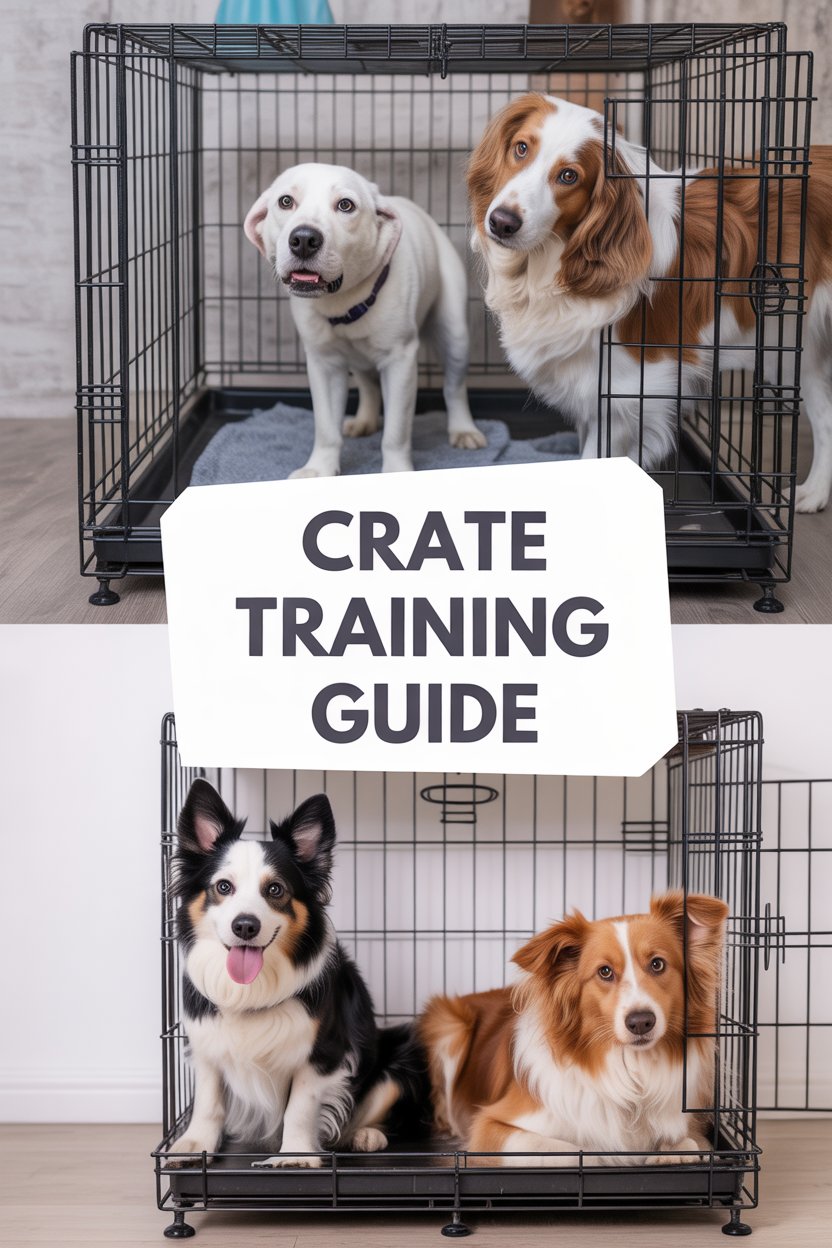
Crate training your dog can be one of the most rewarding parts of raising a happy, well-behaved pup. When done right, a crate becomes more than just a training tool — it becomes your dog’s safe haven, a cozy retreat where they feel secure and loved. In this dog crate training guide, you’ll learn how to introduce your dog to their crate, make it a positive experience, and use it effectively for training and comfort.
Whether you’re welcoming a new puppy or helping an older dog adjust, crate training is a wonderful way to build trust and provide structure in your furry friend’s life.

Why Crate Training Matters
Crate training isn’t about confinement — it’s about creating a space where your dog feels safe and relaxed. Dogs are den animals by nature; they instinctively seek small, secure spaces where they can rest and recharge. A crate mimics that natural instinct and helps reduce anxiety, especially during travel, vet visits, or when guests come over.
Crate training also helps with housebreaking, prevents destructive behavior when you’re away, and gives your dog a place that’s entirely their own. It’s their comfort zone — like a bedroom for your best friend.
Step-by-Step Crate Training Process
Patience and positivity are key to successful crate training. Here’s a step-by-step guide to make the process smooth and stress-free.
1. Choose the Right Crate
Select a crate that’s big enough for your dog to stand, turn around, and lie down comfortably — but not too large. For growing puppies, consider a crate with an adjustable divider so it can grow with them. Wire crates offer ventilation, while plastic ones provide a cozier, den-like feel.
2. Make It Inviting
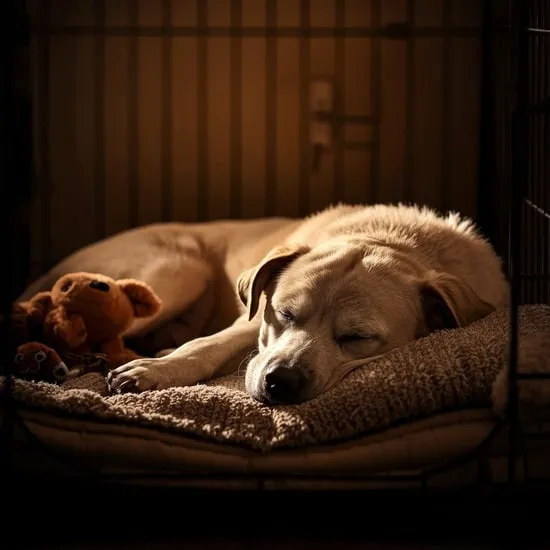
Place the crate in a quiet area of your home where your family spends time. Add a soft blanket, a favorite toy, and maybe a treat or two. Leave the door open so your dog can explore at their own pace. The goal is to make the crate a place they want to enter — never a punishment zone.
3. Use Treats and Praise
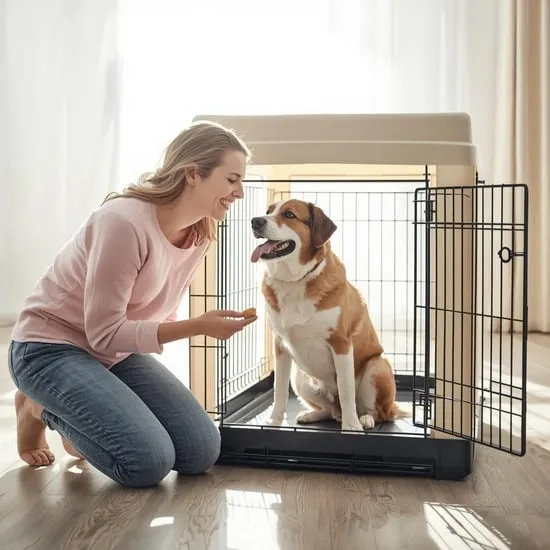
Encourage your dog to enter the crate by tossing in a treat or toy. Every time they go in, praise them warmly. Keep the first few sessions short and positive. Let them come and go freely, building comfort and curiosity.
4. Gradually Increase Crate Time
Once your dog is comfortable entering the crate, start closing the door for short periods while you’re nearby. Gradually increase the time with the door closed, always using a calm, reassuring voice. Never leave your dog in the crate for too long — puppies especially need frequent potty breaks.
5. Feed Meals in the Crate
Feeding your dog inside the crate helps them associate it with good things. Start by placing their bowl near the crate, then gradually move it inside. Soon, they’ll see the crate as their personal dining space!
6. Practice Leaving and Returning
Once your dog is relaxed in the crate, practice leaving the room for a few minutes. Return calmly without making a big fuss. This helps your dog understand that being alone is normal — and that you always come back.
Common Mistakes to Avoid
Crate training takes patience, and mistakes can slow the process. Avoid these common errors:
- Never use the crate as punishment. It should always feel like a safe space, not a “time-out” area.
- Don’t rush it. Forcing your dog inside or keeping them crated too long can create fear and resistance.
- Watch for distress signs. Whining at first is normal, but prolonged anxiety may mean you’re moving too fast.
Remember, every dog learns at their own pace. Stay patient, consistent, and loving.
Making the Crate a Positive Place
To ensure your dog loves their crate, make it part of everyday life. Leave the door open when you’re home so they can nap inside voluntarily. Toss in a favorite chew toy or a stuffed Kong to make it even more appealing. The more your dog associates the crate with relaxation and rewards, the happier they’ll be.
Benefits of Crate Training
When done correctly, crate training offers countless benefits for both you and your dog:
- Helps with potty training and routine.
- Prevents destructive behavior when unsupervised.
- Reduces anxiety and provides a sense of security.
- Makes travel and vet visits easier.
- Gives your dog a safe, personal space to retreat.
Over time, you’ll notice your dog going into the crate on their own whenever they want peace and quiet — a true sign of success!
Final Thoughts
Crate training isn’t just about teaching boundaries — it’s about building trust and comfort. When you approach it with patience and love, your dog will come to see the crate not as confinement, but as their happy place. This dog crate training guide is your roadmap to creating that positive space where your pup feels safe, loved, and at home.
After all, every dog deserves a cozy den to call their own — and every owner deserves the joy of seeing their best friend rest peacefully inside it.