Dog Feeding Mistakes Every Owner Makes

Skipping Scheduled Meals
One of the most common mistakes dog owners make is skipping scheduled meals. Dogs thrive on routine, and missing meals can disrupt their digestion and mood. Feeding at consistent times helps maintain energy levels and prevents overeating later in the day.
Skipping meals may also lead to behavioral issues such as begging or anxiety. Ensuring your dog eats at regular intervals is essential for their overall health and emotional well-being. It’s a simple step that significantly improves their quality of life.
Overfeeding or Underfeeding
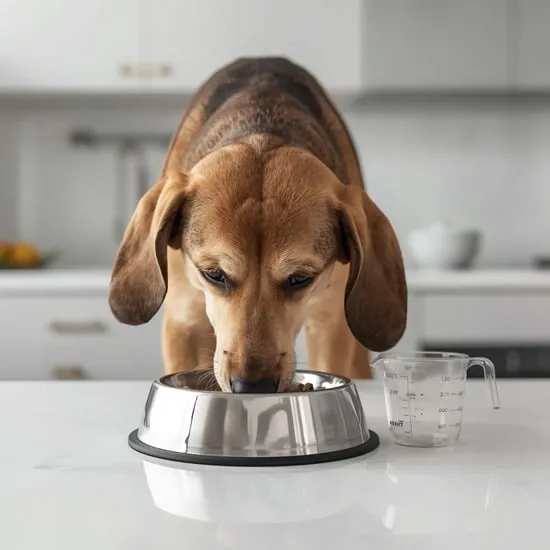
Another frequent error is not measuring portions accurately. Overfeeding can lead to obesity, joint problems, and heart disease, while underfeeding may cause malnutrition and weakness. Understanding your dog’s specific calorie needs is crucial for maintaining a healthy weight.
Consulting your vet for portion recommendations based on age, breed, and activity level can prevent these issues. Using a measuring cup rather than free-feeding ensures your dog gets the right amount of food consistently, supporting their health in the long run.
Feeding Table Scraps
Many owners make the mistake of feeding table scraps. While it may seem harmless, human food can be high in salt, sugar, and harmful ingredients. Certain foods like chocolate, onions, and grapes are toxic to dogs, making this practice risky.
Stick to dog-safe treats and meals formulated for their nutritional needs. Feeding table scraps not only affects their health but can also encourage begging behavior and disrupt their normal diet routine, causing digestive issues.

Ignoring Food Allergies
Dogs can have food allergies that manifest as skin irritations, digestive upset, or chronic ear infections. Many owners overlook these signs and continue feeding the same food. Identifying allergens early can prevent long-term health problems and discomfort.
Consult with a veterinarian to determine if your dog has allergies and switch to hypoallergenic or limited-ingredient diets if needed. Monitoring their reaction to different foods ensures their digestive system and immune health are supported effectively.

Not Rotating Protein Sources
Feeding the same protein repeatedly can lead to nutritional gaps or food sensitivities. Introducing variety in protein sources like chicken, fish, and lamb can improve nutrient intake and prevent intolerance issues. Dogs benefit from a balanced and varied diet to thrive.
Gradually rotate proteins while observing for any adverse reactions. This approach provides essential amino acids, supports immune health, and keeps mealtime exciting, enhancing your dog’s appetite and overall wellness.