Dog Grooming For Beginners: Create Your Own Dog Grooming Station At Home
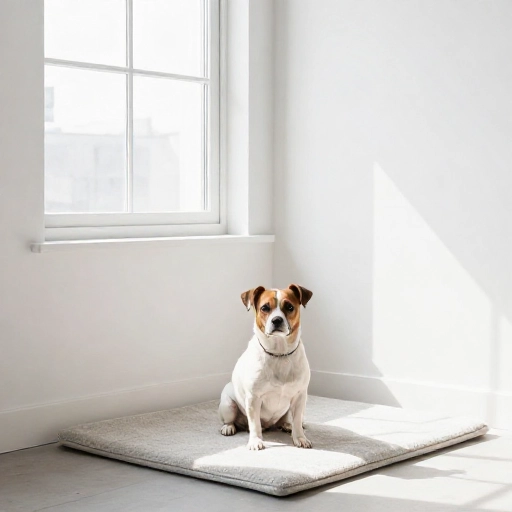
Let’s be real—grooming your dog at home can feel a little intimidating at first. I remember the first time I tried to trim my pup’s nails; it was a full-on wrestling match, and I’m pretty sure the dog won. But trust me, once you set up a simple, dedicated space, everything changes. You save money, bond with your furry friend, and skip the stressful car ride to the groomer.
The secret isn’t fancy equipment. It’s about having a smart setup that makes your dog feel safe and keeps you organized. Whether you live in a tiny apartment or a big house, you can build a grooming station that works for your space. Let’s walk through the essentials to get you both looking and feeling great.
1. Pick The Perfect Spot In Your Home
Before you buy anything, decide where the magic will happen. The best location is somewhere with a non-slip floor, like a bathroom or laundry room. You want easy access to water, but you also need enough room to move around your dog without bumping into things.
If you only have carpet, grab a large, heavy-duty rubber mat to protect it. Avoid grooming in the living room or on the couch—hair gets everywhere, and the distractions (like the TV or kids) make it hard for your dog to stay still.
Think about lighting, too. Natural light is fantastic, but a bright, adjustable lamp helps you see what you’re doing, especially when you’re checking for mats or ticks.
Finally, make sure the spot is quiet. A calm environment keeps your dog relaxed, which makes the whole process a thousand times easier.
2. Invest In A Non-Slip Mat Or Yoga Mat
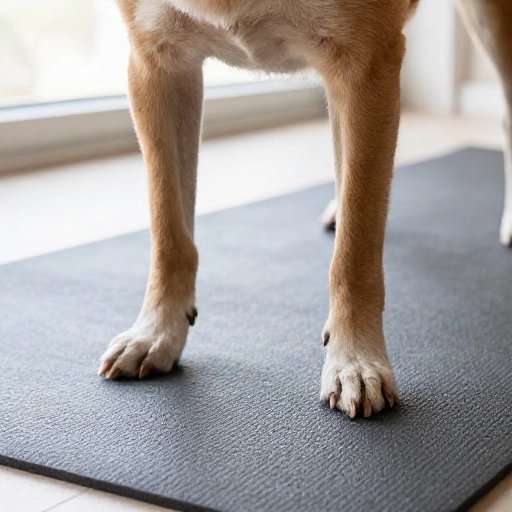
This is the most important safety item you’ll buy. Dogs get terrified when their paws slip, and that’s when the wiggling starts. A simple non-slip bath mat or a dollar-store yoga mat can work wonders.
Place the mat under your dog’s feet, whether you’re using a table or the floor. It gives them confidence and keeps them stable while you brush or trim. This little trick instantly calms down most anxious pups.
Make sure the mat is washable. Grooming gets messy, and you’ll want to hose it down or toss it in the washing machine regularly to keep things hygienic.
3. Use A Table Or Raised Surface (With A Grooming Arm)
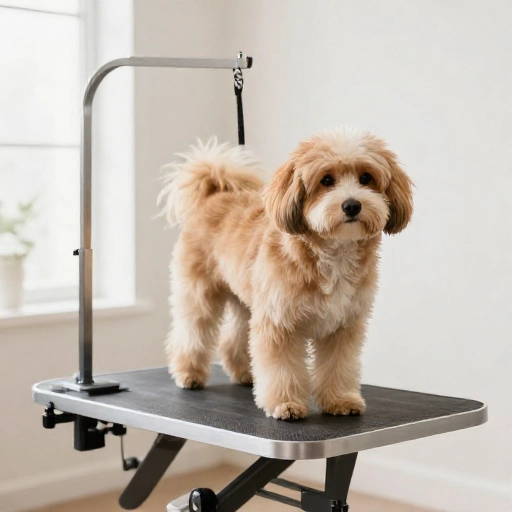
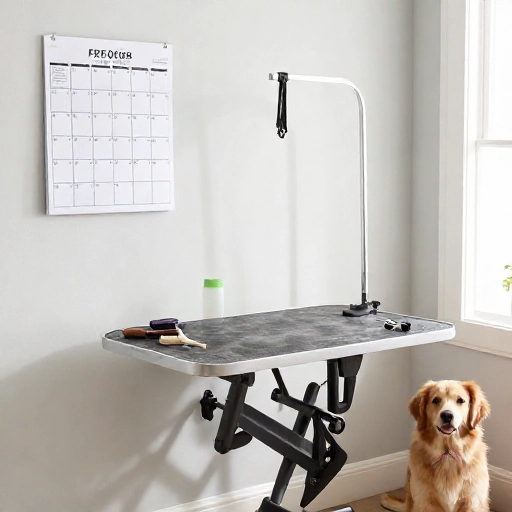
Grooming on the floor is tough on your back. If you can, use a sturdy table that’s about waist height. A plastic folding table or an old sturdy desk works perfectly. You don’t need to buy a fancy salon table unless you’re doing this every day.
For extra control, install a grooming arm with a loop. This helps keep your dog standing in place, especially for paw trims or detailed brushing. It looks professional, but it’s actually super easy to install on any table.
If a table isn’t an option, try a large, sturdy storage bin flipped upside down. Just make sure it’s stable and won’t tip over. Safety always comes first.
Never leave your dog unattended on the table, even for a second—they can jump off and get hurt.
4. Gather The Essential Brushes And Combs
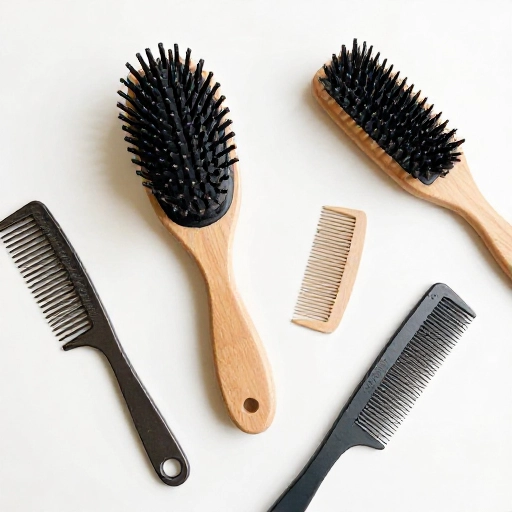
You don’t need a million tools, but you do need the right ones for your dog’s coat type. For short-haired dogs, a rubber curry brush is magic for lifting loose fur. For double-coated breeds, an undercoat rake is a must-have to prevent painful mats.
For long-haired pups, a slicker brush and a metal comb are your best friends. Always brush in the direction of hair growth, but use a gentle hand. Remember, brushing shouldn’t hurt. If you hit a tangle, hold the skin taut and work the mat out slowly.
Keep these tools in a caddy or a jar right next to your station. Having them within arm’s reach means you won’t have to break your rhythm to go hunting for the right brush.
5. Master The Art Of The Bath
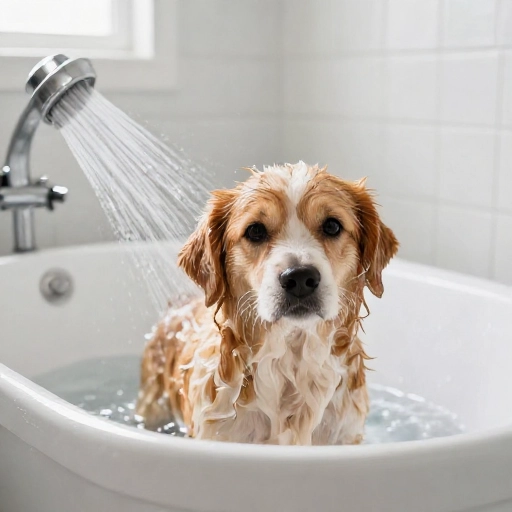
Bathing at home is a game-changer once you get the hang of it. Use lukewarm water—never hot or cold. Wet your dog thoroughly, then apply a dog-specific shampoo. Human shampoo messes with their skin’s pH balance.
Work the lather from the neck down, avoiding the eyes and ears. A silicone scrubber brush helps get the suds deep into the coat and feels like a massage to your dog. This is a great way to build trust.
Rinse, rinse, and rinse again. Leftover soap causes itchy, flaky skin. I always do one final pass with plain water just to be sure. Then, squeeze out excess water with your hands before you even reach for the towel.
6. The Towel Drying Secret
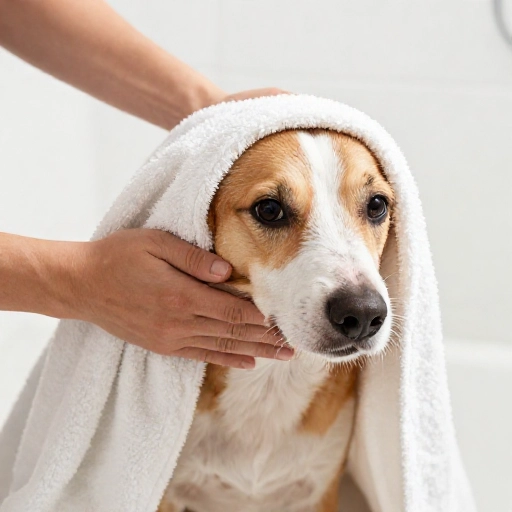
Most dogs hate the sound of a hair dryer, so start with towel drying. Use a highly absorbent microfiber towel. Rub your dog down vigorously, but avoid rubbing against the hair—it causes tangles. Blot and squeeze instead.
If you must use a dryer, introduce it slowly. Show it to your dog, turn it on at a distance, and offer treats. Use the lowest heat setting and keep it moving constantly. Never point it at their face.
For dogs that air-dry, make sure they have a warm, draft-free spot to chill until they’re fully dry. Damp skin leads to hot spots and fungus, so ensure they are bone-dry before letting them loose on the furniture.
7. Nail Trimming Without The Panic
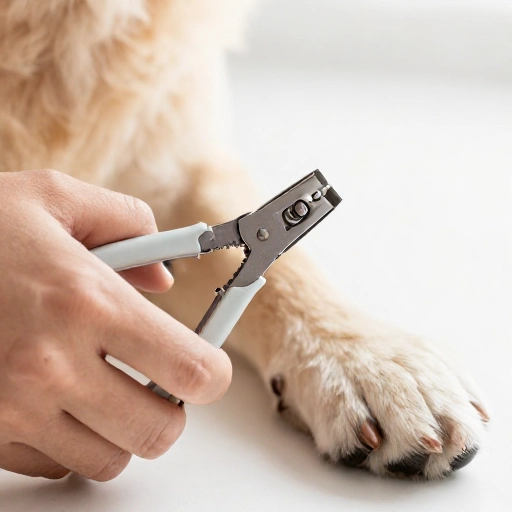
Nail trims are scary for everyone, but they don’t have to be. First, get a good pair of guillotine or scissor-style clippers. Also, keep styptic powder or cornstarch nearby in case you nick the quick (the pink part inside the nail).
Hold your dog’s paw firmly but gently. Cut just the tip of the nail, avoiding the quick. If your dog has dark nails, take tiny slivers off at a time. You’ll see a grayish oval in the center of the nail—stop right before you reach it.
Practice paw handling daily, even when you’re not clipping. Touch their paws, give a treat, and let go. This desensitization makes the actual clipping session way less stressful.
If you’re still nervous, start by just clipping one nail a day. That’s a win!
8. Don’t Forget The Ears And Eyes
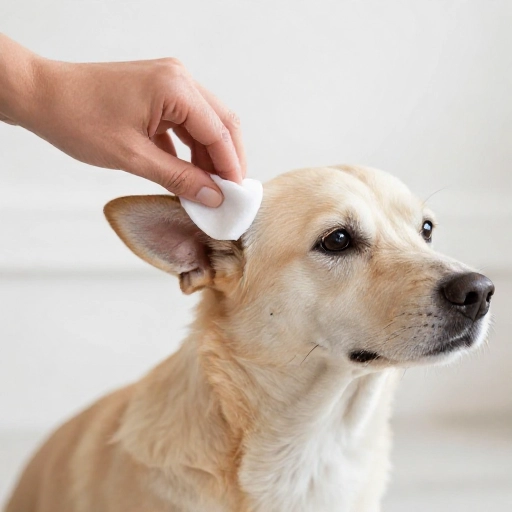
Clean ears prevent nasty infections. Use a vet-approved ear cleaner and a cotton ball. Never use Q-tips inside the ear canal—you’ll push debris further in. Just wipe the visible part of the inner ear.
If your dog has floppy ears, check them weekly for redness, smell, or excessive wax. If you see any of that, skip the grooming and call your vet.
For the eyes, use a damp soft cloth to gently wipe away any gunk or tear stains. Always wipe away from the eye to avoid getting anything in it. Keep the hair around the eyes trimmed short to prevent irritation.
9. Set Up A Treat Station For Positive Vibes
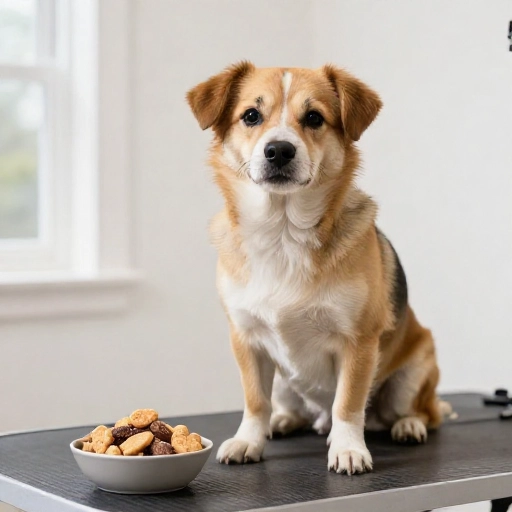
Grooming should be a positive experience, and treats are your secret weapon. Keep a small bowl of high-value treats (like tiny bits of chicken or cheese) right at your station. These are only for grooming time, which makes them extra special.
Give a treat after every small step—a brush stroke, a paw lift, a good sit. This builds a positive association. Your dog will start to think the grooming station is the best place in the house.
If your dog gets antsy, take a break. End the session on a positive note, even if you didn’t finish the job. It’s better to stop early and keep it fun than to force it and create fear.
10. Create A Weekly Grooming Routine
Consistency is key. Instead of doing a marathon grooming session once a month, try a quick 10-minute session every week. This prevents mats from forming and gets your dog used to the process.
Set a specific day and time, like Sunday mornings. Dogs thrive on routine. Once they know what to expect, they’ll be much more cooperative.
During your weekly check, look at their skin for any lumps, bumps, or fleas. Early detection is vital. Grooming isn’t just about looks—it’s the best way to monitor your dog’s overall health.
Conclusion
Setting up your own grooming station is one of the best investments you can make in your dog’s happiness and your wallet. It doesn’t have to be perfect or expensive. Start with a non-slip mat, a decent brush, and a calm attitude.
Remember, every dog is different. What works for one might not work for another. Be patient, keep it fun, and celebrate the small wins. Before you know it, you’ll be a pro, and your dog will be strutting around with a fresh, healthy coat.
Now go grab those treats and give your furry best friend a spa day they’ll actually enjoy!
Frequently Asked Questions
How often should I groom my dog at home?
It depends on the breed. Most dogs benefit from a weekly brushing session. Bathing should happen every 3-4 weeks maximum, unless your vet says otherwise. Nails should be checked every 2-3 weeks.
What is the most important tool for a beginner?
Definitely a good quality slicker brush and a non-slip mat. These two items will solve 80% of your grooming problems. The mat keeps them still, and the brush keeps their coat healthy.
My dog hates getting brushed. What should I do?
Start slow. Let them sniff the brush, then just touch them with it without brushing. Give treats constantly. Try brushing for just one minute a day and gradually increase the time. Patience and positive reinforcement are everything.
Can I use baby shampoo on my dog?
It’s best to avoid it. Dog skin has a different pH level than human skin. Using human shampoo can strip their natural oils and cause dryness or irritation. Stick to a gentle, dog-specific formula.
How do I stop my dog from shaking water everywhere after a bath?
Embrace the shake! It’s natural. To minimize the mess, towel-dry them as much as possible before they get a chance to shake. You can also gently hold their muzzle during the bath to discourage head shakes, but let them have that final celebratory shake in the bathroom.