Homemade Chicken & Carrot Cat Food – Simple, Healthy & Vet-Approved
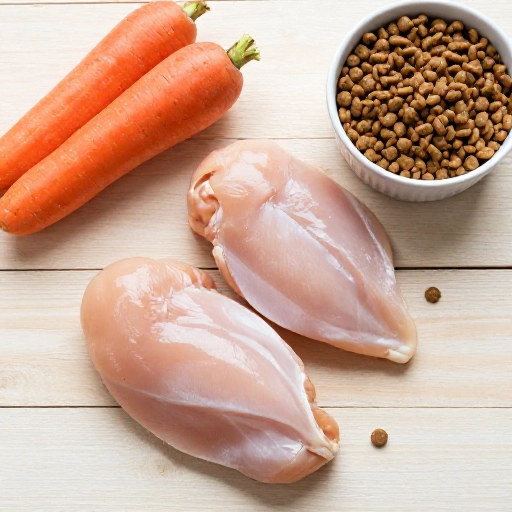
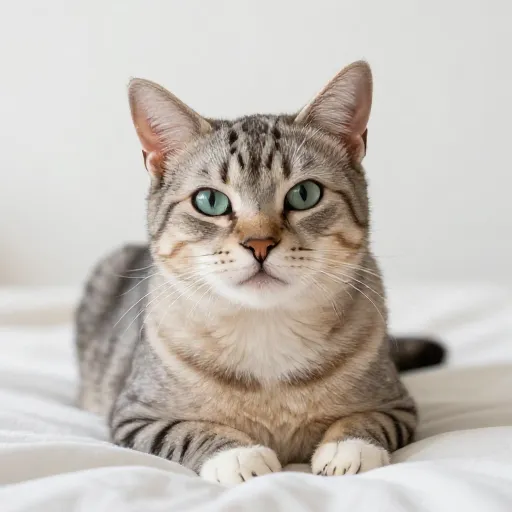
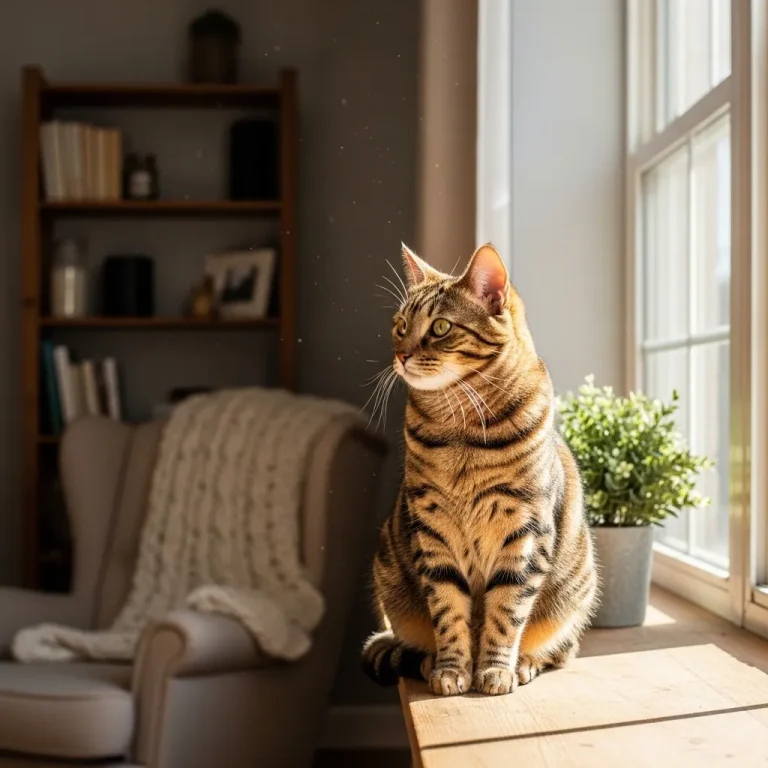
I started making my own cat food a few years ago when my picky tabby, Mochi, turned her nose up at every store-bought option. After a few kitchen experiments, I stumbled onto this chicken and carrot combo. It’s now her absolute favorite, and my vet gave it a big thumbs-up.
This recipe is easy to whip up on a Sunday afternoon, uses just a handful of ingredients, and is packed with protein and fiber. Plus, you control every single thing that goes into it. No mystery fillers, no weird preservatives—just real food your cat will actually eat.
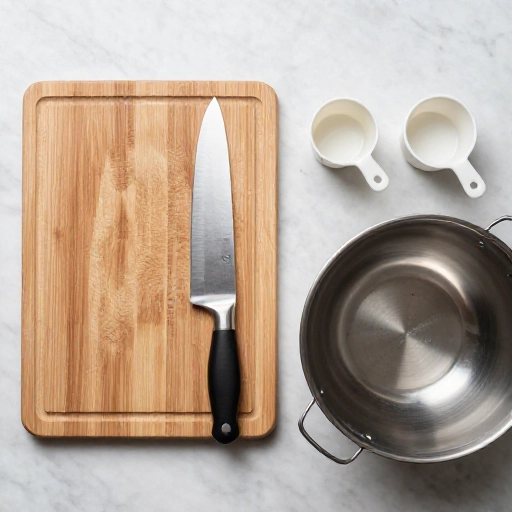
Equipment You’ll Need
You don’t need fancy gadgets for this. Here’s what I use:
- A medium-sized pot (with a lid)
- A cutting board and sharp knife
- A fine grater or food processor (for the carrots)
- A fork or potato masher (to shred the chicken)
- Glass jars or airtight containers for storage
That’s it. If you have a slow cooker, you can also throw everything in there on low for 4–6 hours. But stovetop works perfectly too.
Ingredients You’ll Need
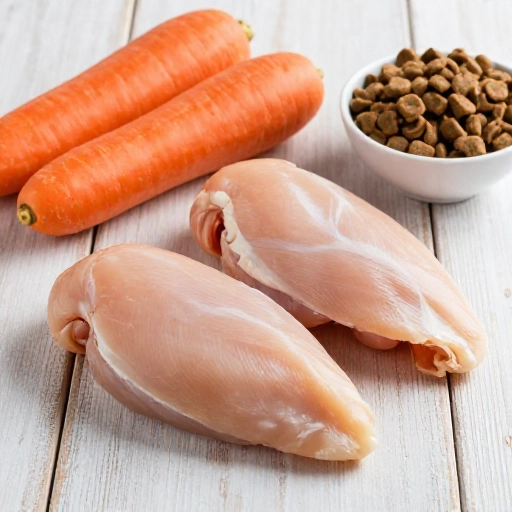
- 1 lb boneless, skinless chicken thighs (or breast – thighs are juicier)
- 1 medium carrot, finely grated
- 1 cup water (or low-sodium chicken broth, no onion or garlic)
- A tiny pinch of taurine powder (optional but recommended – ask your vet)
That’s the whole list. No salt, no oil, no seasoning. Cats don’t need those, and they actually can be harmful. Stick with plain, clean ingredients.
How to Make It (Step-by-Step)
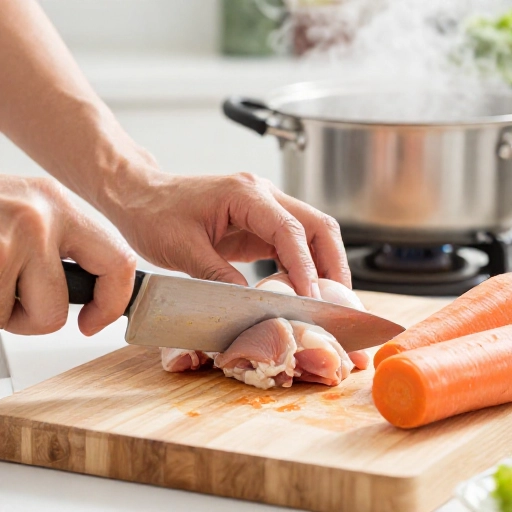
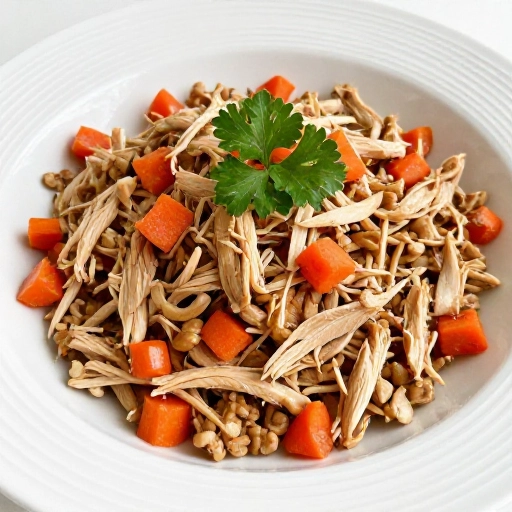
- Cook the chicken. Place the chicken thighs in a pot, add the water, and bring to a gentle boil. Cover, lower the heat, and simmer for 15–20 minutes until fully cooked through.
- Shred it up. Remove the chicken from the pot (save the cooking liquid!). Let it cool for a few minutes, then shred with two forks or a potato masher. I like to leave some small chunks for texture, but you can make it finer if your cat prefers.
- Add the carrot. Stir in the finely grated carrot. The heat from the chicken will soften it just enough.
- Mix in the liquid. Add back a few tablespoons of the cooking liquid to keep everything moist and flavorful. If you’re using taurine powder, mix it in now.
- Cool and serve. Let it cool to room temperature before serving. Store leftovers in the fridge for up to 4 days, or freeze in small portions for up to 3 months.
I usually make a double batch and freeze half in ice cube trays. Super convenient for busy mornings.
Why This Recipe Works
Chicken is a lean protein that’s easy for cats to digest. Carrots add a little fiber and natural sweetness, plus a boost of vitamin A. The cooking liquid keeps everything hydrated, which is important because cats often don’t drink enough water.
I love that this recipe is balanced enough for occasional feeding (as a treat or topper) but can also be part of a complete diet if you add the right supplements. Always check with your vet before making it a full-time meal.
And honestly? The smell is way more pleasant than canned food. My whole kitchen just smells like a gentle chicken soup.
Conclusion
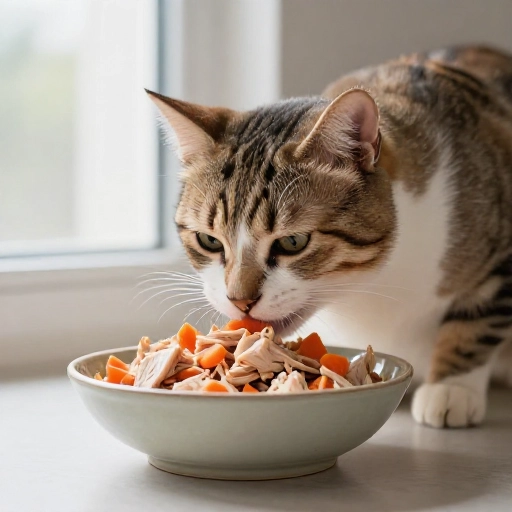
Making your own cat food doesn’t have to be complicated or expensive. This chicken and carrot recipe has been a game-changer in my house. Mochi licks her bowl clean, and I feel good knowing exactly what’s in her food. Give it a try—your cat might just thank you with a purr.
Frequently Asked Questions
1. Can I use chicken breast instead of thighs?
Yes, you can. Thighs are a little higher in fat and moisture, which most cats love, but breast works fine too. Just keep an eye on texture—breast can dry out more easily.
2. Is it safe to feed raw carrots?
No, raw carrots are too hard and can be a choking hazard. Always cook or finely grate them so they’re soft and easy to digest.
3. How much should I feed my cat?
Portions depend on your cat’s size, age, and activity level. A general guideline is about 2–3 tablespoons per meal for an average 10-pound cat. Start small and adjust as needed.
4. Can I add other vegetables?
Sure. Cooked peas, green beans, or pumpkin puree are all cat-safe options. Just introduce new veggies one at a time to see how your cat reacts.
5. Do I need to add supplements?
If you’re feeding this as a complete meal long-term, yes—most importantly taurine. A pinch of taurine powder per batch is a good start. Always consult your vet for a personalized plan.