How to Get Your Dog to Listen to Your Commands (Without Losing Your Cool)
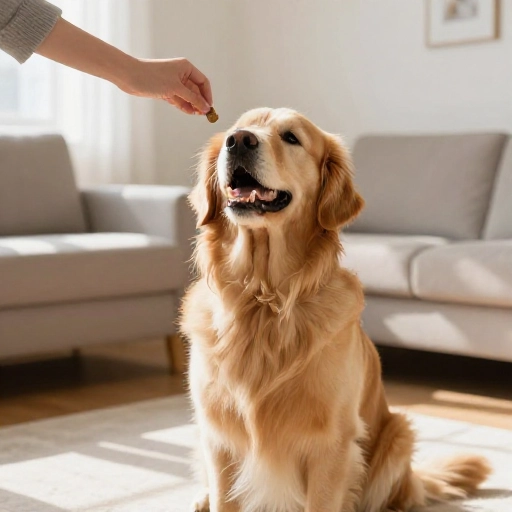
If you’ve ever called your dog’s name and watched them sniff a leaf like you don’t exist, you’re not alone. Getting your dog to actually listen is one of the most common struggles for pet parents. It can feel frustrating, even a little personal, but I promise it’s usually not rebellion—it’s just a communication gap.
I’ve been there: standing in the backyard, treat pouch on my hip, repeating “come” about twelve times while my pup chased a squirrel. Over the years, I learned that listening isn’t about being the alpha or using a stern voice. It’s about clarity, consistency, and making yourself more interesting than the environment. Here’s exactly how I turned things around, step by step.
1. Start in a Boring Place
You’re setting your dog up to fail if you start training at a busy park. Your dog’s brain needs to focus, so begin in a quiet, familiar space like your living room. No distractions means they can actually hear you.
Once they nail a command there, slowly add mild distractions—like a toy on the floor, then a friend sitting nearby. Each step builds their listening muscle. Think of it like learning guitar in a quiet bedroom before playing at a concert.

2. Use One Word, Not a Sentence
Dogs don’t understand full sentences. Saying “Could you please come here, sweetie?” just sounds like noise. Pick short, distinct commands like “Sit,” “Down,” “Come,” and “Stay.” Use the exact same word every single time.
If you switch between “off” and “down” for jumping, you’ll confuse them. Keep your vocabulary tiny and consistent. Your dog will thank you by actually responding.
3. Reward Immediately—Like, Immediately
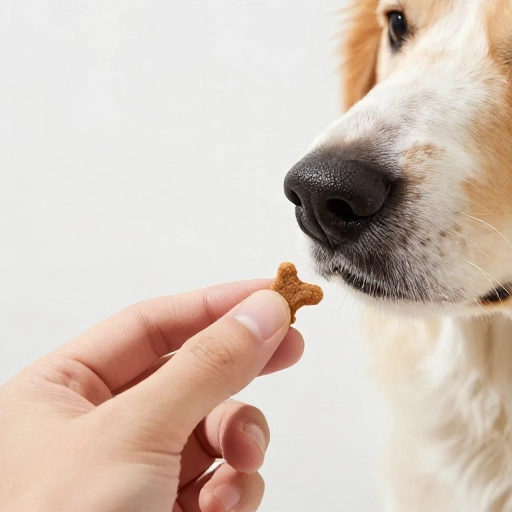
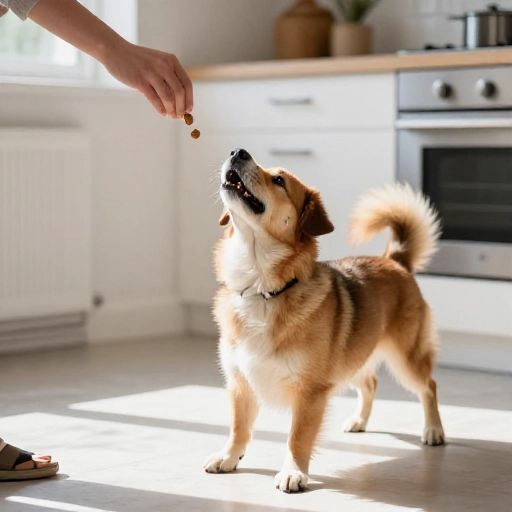
Timing is everything. If you say “sit” and your dog sits, give the treat within one second. Even a three-second delay can confuse them—they might think they’re being rewarded for looking at you instead of sitting.
Keep treats in your pocket or a pouch so you’re ready to mark the exact moment they do the right thing. I use a clicker sometimes, but a simple “yes!” works great too. Speed matters more than the reward size.
4. Don’t Repeat Yourself Over and Over
If you say “sit, sit, sit, SIT,” your dog learns that the command isn’t real until you sound annoyed. They start tuning out the first few repetitions. Say the command once, then wait.
If they don’t respond, gently guide them into position or reset your energy. Repeating just teaches them to ignore you. One clear ask, then action. That’s the golden rule.

5. Make Your “Come” Command the Best Thing Ever
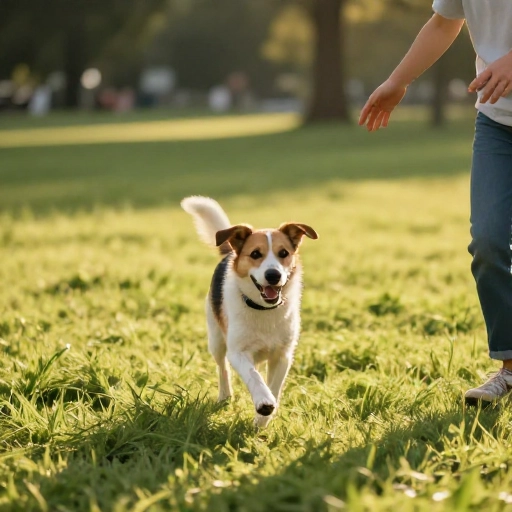
If you only call your dog to end fun (like leaving the park or getting a bath), they’ll learn to avoid you. Call them randomly throughout the day just to give a treat and release them back to play.
Use a happy, excited tone when you say “come.” Run backward a few steps to make it a game. You want your dog to think that running to you is more exciting than anything else in the world.
6. Practice in Short Bursts, Not Long Slog Sessions
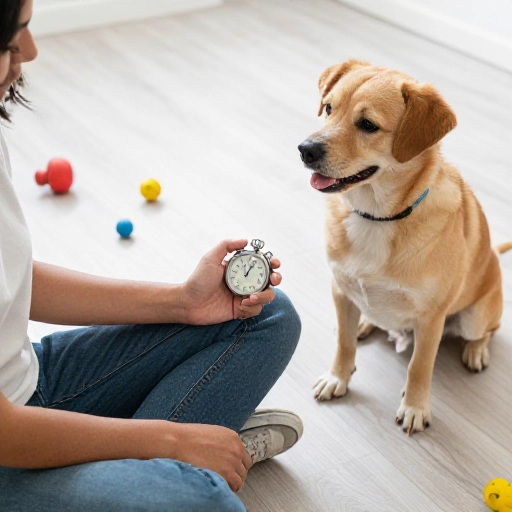
Five minutes of training twice a day beats thirty minutes once a week. Dogs get bored fast, just like we do. Short sessions keep them eager and focused.
I weave training into everyday moments—asking for a “sit” before dinner, “stay” before opening the door, “down” while I pour my morning coffee. Small reps add up to a dog who listens automatically.
7. Watch Your Body Language
Dogs read our bodies more than our words. If you’re tense, leaning forward, or staring hard, your dog might feel pressured and shut down. Instead, stand relaxed, turn slightly sideways, and use open palms.
When I stopped looming over my dog and started crouching down, his response rate doubled. Your energy sets the tone. Calm, confident body language tells your dog there’s nothing to worry about.

8. Manage the Environment First
Sometimes the easiest way to get your dog to listen is to remove temptation. If they can’t stop barking at the window, close the curtain. If they bolt out the front door, use a baby gate. Set them up for success.
Management isn’t cheating—it’s smart. You can’t teach a dog to listen when they’re already overwhelmed. Control the space, then train the behavior. You’ll both feel less frustrated.

9. Use High-Value Rewards for Hard Stuff
Kibble works fine at home, but outside? You need the big guns. Tiny pieces of cheese, boiled chicken, or freeze-dried liver can make a huge difference when distractions are high.
Save these special treats for recall or training in tough spots. Your dog will start thinking, “Wow, listening pays off way better than chasing that squirrel.” That’s exactly the mindset you want.

10. Be Patient and Celebrate Small Wins
Training takes time. Some days your dog will nail every command, other days they’ll act like they’ve never heard the word “sit” before. That’s normal. Dogs aren’t robots.
Celebrate the tiny victories—a faster response, a longer stay, a split second of eye contact. Progress is progress. Stay consistent, keep it positive, and remember: your dog wants to understand you. They just need you to speak their language.

Final Thoughts
Getting your dog to listen isn’t about dominance or perfect technique. It’s about trust, clarity, and making yourself the most rewarding thing in their world. Start small, be consistent, and keep sessions fun. Your dog will come around—I promise.
Every dog learns at their own pace. You’re doing a great job just by caring enough to try. Keep going, and soon you’ll have a dog who looks to you first, no matter what’s happening around them.
[[IMG:IMG12]]
Frequently Asked Questions
Why does my dog ignore me sometimes?
Dogs usually ignore because they’re distracted, confused, or the command hasn’t been practiced enough in that environment. Go back to a quieter space and rebuild the behavior step by step.
What if my dog only listens when I have treats?
That’s normal early on. Slowly phase treats out by rewarding randomly—sometimes with a treat, sometimes with praise or a toy. Your dog will keep responding because they never know when the jackpot hits.
How long does it take to train a dog to listen?
It depends on the dog and the consistency. Some pick up basics in a few days, others take weeks. The key is short, daily practice rather than marathon sessions. Be patient with your pup.
Is it too late to train an older dog?
Absolutely not! Older dogs can learn new commands—they might just need a little more patience and positive reinforcement. In fact, many adult dogs focus better than puppies.
Should I punish my dog for not listening?
No. Punishment usually makes dogs anxious or fearful, which makes listening even harder. Focus on rewarding what you want to see more of. Positive training builds trust and better results over time.