Homemade Chicken Training Treats: The Easy 3-Ingredient Recipe Your Dog Will Do Backflips For
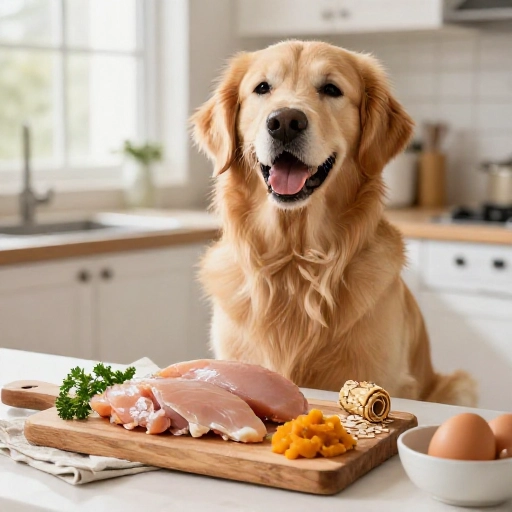
If your dog suddenly forgets how to sit the second a squirrel appears, you need better treats. Not the sad, cardboard-flavored kibble bits from the bottom of the bag — I’m talking about soft, smelly, irresistible chicken treats that make your pup snap to attention like they’re auditioning for a movie.
I started making these homemade chicken training treats after realizing I was spending a small fortune on store-bought ones. Turns out, they’re ridiculously easy to make with stuff I already had in my kitchen. Three simple ingredients, one baking sheet, and about 25 minutes of hands-off time. That’s it.
The best part? You control exactly what goes in them. No mystery preservatives, no weird fillers, no ingredients you can’t pronounce. Just real chicken your dog would already beg for — cut into tiny, high-value reward bites perfect for training sessions, leash walks, and those moments when you really need your dog to listen.
Why Make This Recipe (Health & Nutritional Benefits for Dogs)
Training treats get used a lot — sometimes 30 or 40 in a single session. That’s a big deal for your dog’s waistline and their overall nutrition. Most commercial training treats are packed with fillers, sugar, and artificial flavors that add up fast.
These homemade chicken treats are different. Chicken is a lean protein that supports strong muscles, a healthy coat, and steady energy. The egg binds everything together and adds a little extra protein punch. Oat flour keeps the texture soft and gentle on sensitive stomachs.
Here’s why I keep coming back to this recipe:
- High value: Chicken is one of the most motivating foods for dogs, which means faster learning and better focus
- Soft texture: Easy to break into tiny pieces and gentle on puppies, seniors, and dogs with dental issues
- No junk: Zero preservatives, artificial colors, or mystery by-products
- Budget friendly: A batch costs a fraction of what you’d pay for premium store brands
- Customizable: You can tweak the size and softness for your specific dog
Plus, there’s something genuinely satisfying about handing your dog a treat you made yourself. My pup goes absolutely bonkers the second the kitchen smells like chicken.
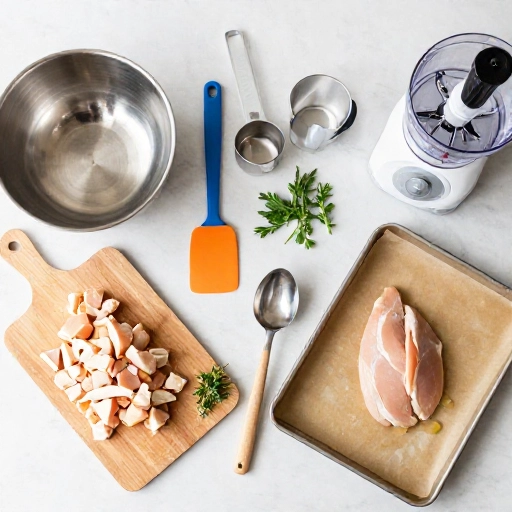
Kitchen Equipment & Tools You’ll Need
You don’t need a fancy kitchen setup for this. If you can boil water and use a baking sheet, you’re already qualified. I make these on a standard weeknight with zero stress.
Here’s what I grab before starting:
- Cutting board and sharp knife — for dicing the chicken into small, even pieces
- Mixing bowl — medium size works perfectly for combining everything
- Food processor or blender — optional, but helpful if you want a smoother, pate-style texture
- Baking sheet — line it with parchment paper for zero-stick cleanup
- Measuring cups and spoons — nothing fancy, just the basics
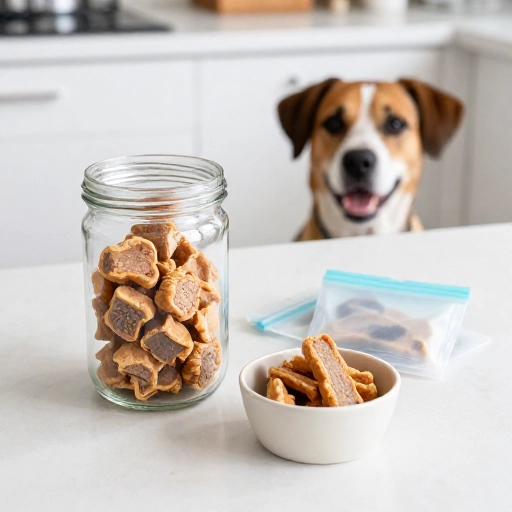
- Airtight container — for fridge storage
- Freezer bags or small containers — if you plan to batch and freeze
One tip from experience: keep a pair of kitchen scissors handy. Once the treats cool, snipping them into uniform little cubes is way faster than using a knife, and it keeps the pieces consistent for training.
Ingredients List & Safe Substitutions
This recipe is simple on purpose. Fewer ingredients means less room for something to upset your dog’s stomach, and it also means you can actually remember the recipe without checking your phone every five minutes.
Base ingredients:
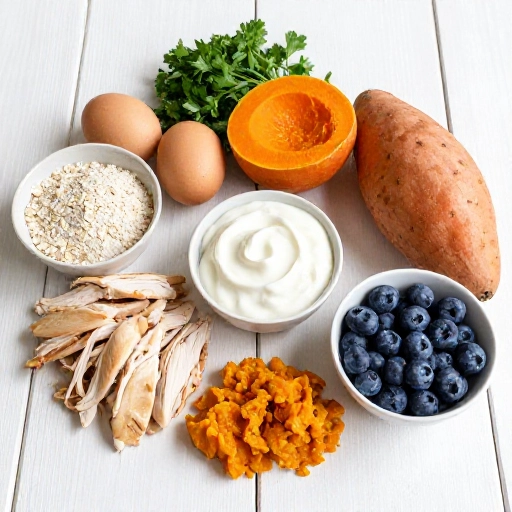
- 1 cup cooked, shredded or finely diced chicken breast (plain, unseasoned — no salt, no garlic, no onion)
- 1 large egg
- 1 cup oat flour (or blend rolled oats until fine)
- 2–3 tablespoons low-sodium, onion-free chicken broth (optional, for softer treats)
Safe substitutions:
- Chicken → turkey: Ground turkey or shredded turkey breast works exactly the same way
- Oat flour → whole wheat flour: Fine for most dogs, but skip if your dog is gluten-sensitive
- Egg → flax egg: 1 tablespoon ground flaxseed mixed with 3 tablespoons water works as a binder
- Chicken broth → plain water: Use water if you can’t find a broth without onion or garlic powder
Hard no’s: Never add onion, garlic, salt, xylitol, grapes, or anything from the allium family. These are toxic to dogs, even in small amounts. Keep it plain and you’re safe.
If your dog has allergies or a sensitive stomach, run any new ingredient past your vet first. Better safe than sorry.
Step-by-Step Instructions
Here’s how I make these start to finish. The whole process takes about 10 minutes of actual work and 20 minutes of waiting around while your kitchen smells amazing.
- Preheat your oven to 350°F (175°C) and line a baking sheet with parchment paper.
- Cook the chicken. Boil or bake plain chicken breast until fully cooked through, then shred it finely or pulse it in a food processor. You want it small enough that no treat has a giant chunk in it.
- Mix the wet ingredients. In a medium bowl, whisk the egg with the chicken broth until combined.
- Add the chicken. Stir the shredded chicken into the egg mixture until it’s evenly coated.
- Fold in the oat flour. Add it gradually, a little at a time, until you get a soft, slightly sticky dough. If it’s too dry, add a splash more broth. Too wet? Sprinkle in more flour.
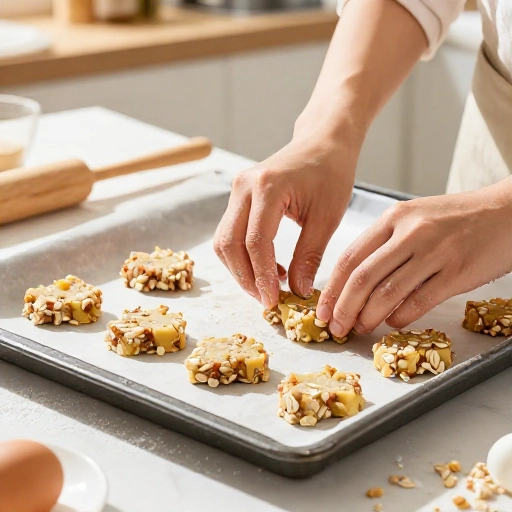
- Shape the treats. Press the dough into a flat rectangle about ½ inch thick on your baking sheet. Score it into tiny squares with a knife or pizza cutter — think pencil-eraser size for training.
- Bake for 18–22 minutes until the edges are set and slightly golden. The center should still be a little soft.
- Cool completely before breaking along the scored lines. Cutting too early makes them crumble.
That’s genuinely it. The first time I made these, I was convinced I’d messed something up because it was so easy. Nope — they came out perfect, and my dog hasn’t stopped staring at the treat jar since.
Feeding Guidelines, Serving Size & Storage Tips
Training treats should be small — like, really small. The goal is a quick reward, not a meal. I cut mine into pieces roughly the size of a pea or a pencil eraser, which keeps your dog motivated without filling them up.
How much to feed:
- Keep treats to about 10% of your dog’s daily calorie intake
- For small dogs, 5–8 tiny pieces per session is plenty
- For medium and large dogs, 10–15 pieces works well
- On heavy training days, reduce their regular meal slightly to balance things out
Storage:
- Fridge: Store in an airtight container for up to 5–7 days
- Freezer: Freeze in small portions for up to 2 months — perfect for batch cooking
- Thawing: Pull out a small handful the night before and let them thaw in the fridge
Training tip: These treats stay soft, which is great for quick rewards, but soft treats can crumble in your pocket. I keep a small silicone pouch on walks to avoid chicken dust in my jacket.
Final Verdict & Summary
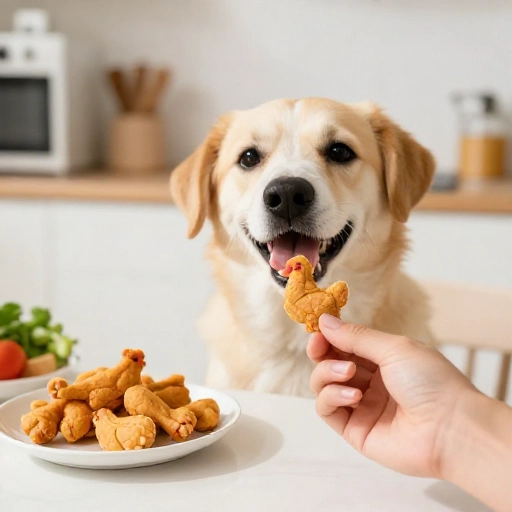
Homemade chicken training treats are one of those rare things that are cheaper, healthier, and honestly kind of fun to make. Three core ingredients, one baking sheet, and a dog that suddenly thinks you’re the greatest human alive.
They work for puppies learning their first commands, adult dogs brushing up on recall, and picky seniors who turn their nose up at everything else. The soft texture makes them easy to break apart on the fly, and the chicken smell gives them serious high-value status in your dog’s brain.
If you’re tired of paying premium prices for treats with ingredient lists longer than your grocery receipt, give this recipe a shot. Make a batch on Sunday, freeze half, and you’re set for weeks of training sessions. Your dog will thank you — loudly, and probably with a lot of drooling.
Frequently Asked Questions About Homemade Chicken Training Treats
How long do homemade chicken treats last?
In the fridge, they’ll stay fresh for about 5 to 7 days in an airtight container. For longer storage, freeze them for up to 2 months and thaw small portions in the fridge as needed.
Can I use rotisserie chicken instead of cooking my own?
Only if it’s plain and unseasoned. Most rotisserie chickens are loaded with salt, garlic, and onion powder, which are unsafe for dogs. If you can find a plain, unseasoned one, go for it — otherwise, cook your own.
Are these treats good for puppies?
Yes, as long as your puppy is already eating solid food. Just cut them extra small, and check with your vet if your puppy has a sensitive stomach or any dietary restrictions.
How do I make these treats softer or crunchier?
For softer treats, add an extra tablespoon of broth and bake for a shorter time. For crunchier treats, bake a few minutes longer and let them dry out fully before storing.
Can I make these without a food processor?
Absolutely. Just dice the cooked chicken as finely as you can with a knife. The texture will be a bit chunkier, but dogs honestly don’t mind one bit.