Homemade Flea Spray for Cats That Is Gentle & Safe
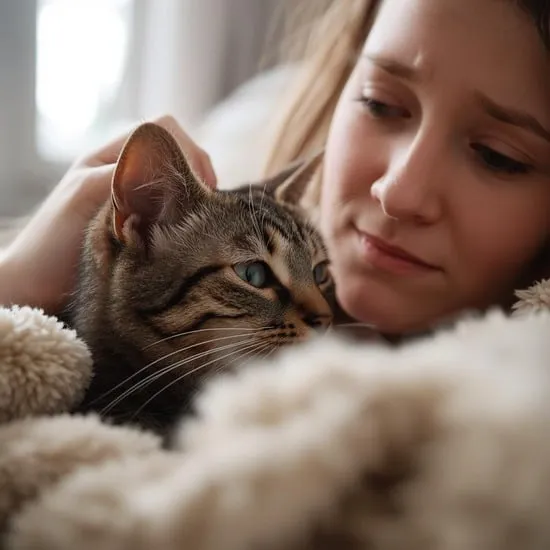
The first time I noticed fleas on my cat, I panicked. She was scratching constantly, and I felt helpless watching her discomfort. I didn’t want to use harsh chemicals, but I also didn’t want her to suffer. That moment led me to research and carefully test a homemade flea spray for cats that felt safe, gentle, and effective.
If you’re here, chances are you’re feeling the same worry I did. Fleas aren’t just annoying — they can cause stress, skin irritation, and even health issues. What I learned along the way helped me protect my cat while staying true to a natural, cautious approach.
Why Fleas Are Especially Stressful for Cats
Cats experience flea discomfort deeply. Excessive scratching, hiding, and mood changes are common. Understanding this helped me realize that choosing the right homemade flea spray for cats wasn’t just about killing fleas — it was about restoring comfort and peace.
Fleas can also multiply quickly in your home, so addressing the problem early is essential for both your cat and your environment.
Is Homemade Flea Spray Safe for Cats?
This was my biggest concern. Cats are sensitive, especially to essential oils and strong scents. Not every DIY solution you see online is cat-safe. I learned that a truly safe homemade flea spray for cats must use very mild, diluted, and cat-appropriate ingredients.
LSI-related ideas like natural flea treatment for cats, chemical-free flea control, and gentle flea remedies all come back to one rule — less is more when it comes to cats.
Ingredients I Trust for a Cat-Safe Flea Spray
After careful research and vet-approved guidance, I stuck with simple ingredients. Apple cider vinegar diluted with water became my base. It doesn’t kill fleas instantly, but it helps repel them naturally.
I avoided essential oils completely. Instead, I focused on consistency and gentle application. A mild homemade flea spray for cats works best as part of a routine, not a one-time fix.
How I Make My Homemade Flea Spray for Cats
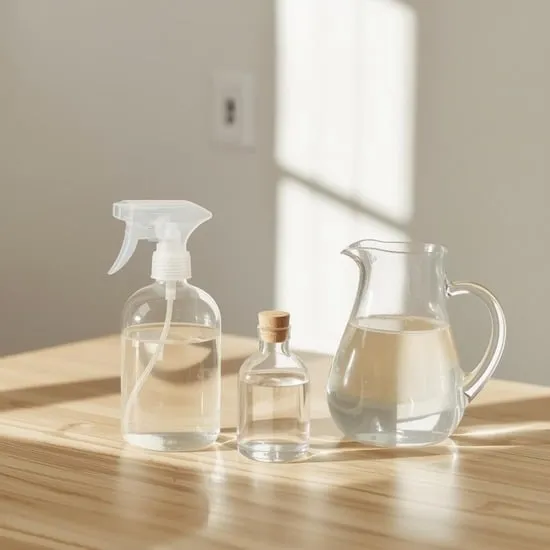
My recipe is simple: one part apple cider vinegar to three parts water. I mix it in a clean spray bottle and shake gently before each use.
When using a homemade flea spray for cats, I lightly mist my hands first and gently rub it into my cat’s fur, avoiding her face. This method feels less stressful and more controlled.
How Often to Use Homemade Flea Spray
Consistency made all the difference. I used the spray once daily for the first week, then reduced to a few times a week as flea activity decreased.
Using a homemade flea spray for cats works best when paired with regular grooming and environmental cleaning.
Cleaning Your Home to Support Flea Control
Fleas don’t live only on cats — they live in carpets, bedding, and furniture. Vacuuming daily, washing cat bedding in hot water, and keeping living spaces clean helped break the flea cycle.
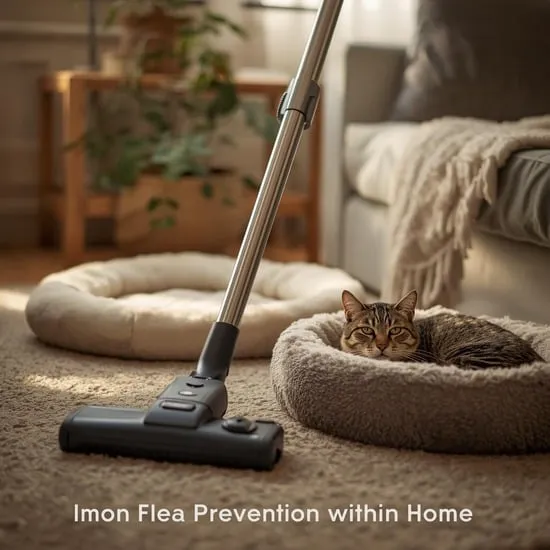
This step is often overlooked, but it’s just as important as applying the spray.
Signs the Spray Is Working
I noticed fewer scratch sessions, calmer behavior, and improved coat condition within days. These small changes reassured me that my homemade flea spray for cats was doing its job gently.
Always monitor your cat for skin irritation or discomfort. Every cat reacts differently.
When to See a Vet
If fleas persist or your cat shows signs of severe irritation, anemia, or hair loss, professional treatment is necessary. A homemade solution is best for mild cases or prevention.
Choosing a homemade flea spray for cats taught me something important — protecting your cat doesn’t mean choosing the strongest option. It means choosing the kindest one.
Today, my cat rests comfortably again. Her scratching stopped, her mood lifted, and I felt peace knowing I helped her in a gentle, thoughtful way. If you’re considering a natural approach, start slow, stay observant, and lead with love.