How to Keep Indoor Dogs Happy and Healthy (Real Tips)
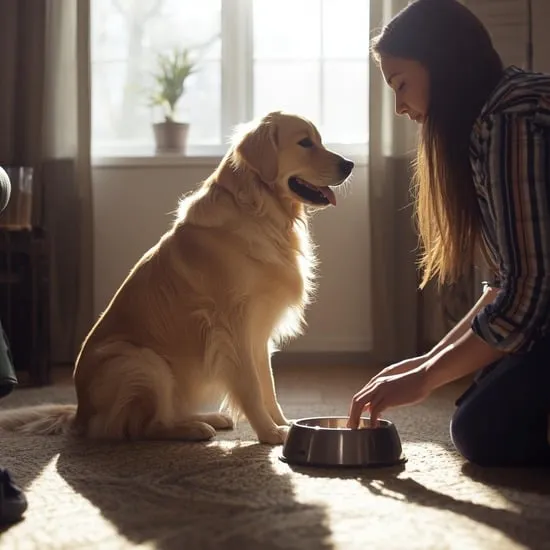
When my dog became mostly an indoor dog, I worried constantly if they were bored, lonely, or missing out. I kept asking myself how to keep indoor dogs happy and healthy without feeling guilty all the time 🐶💭
Over time, I realized indoor dogs can live incredibly happy and healthy lives with the right balance of routine, stimulation, and love. This guide is everything I learned the hard way, shared honestly from my own experience.
Creating a Daily Routine Your Dog Can Trust
One of the biggest changes I made was setting a predictable daily routine. Indoor dogs thrive on structure because it helps them feel secure and calm. Feeding, walks, playtime, and rest happening around the same time each day made a huge difference.
Once my dog knew what to expect, anxiety and restlessness dropped noticeably. A steady routine is one of the simplest ways to keep indoor dogs happy and healthy.
Providing Mental Stimulation Indoors
Mental exercise is just as important as physical activity for indoor dogs. Puzzle toys, sniff games, training sessions, and food-dispensing toys kept my dog mentally engaged and satisfied.
I noticed that when my dog’s mind was busy, unwanted behaviors like chewing or excessive barking almost disappeared. Mental enrichment became a daily must-have in our indoor routine.
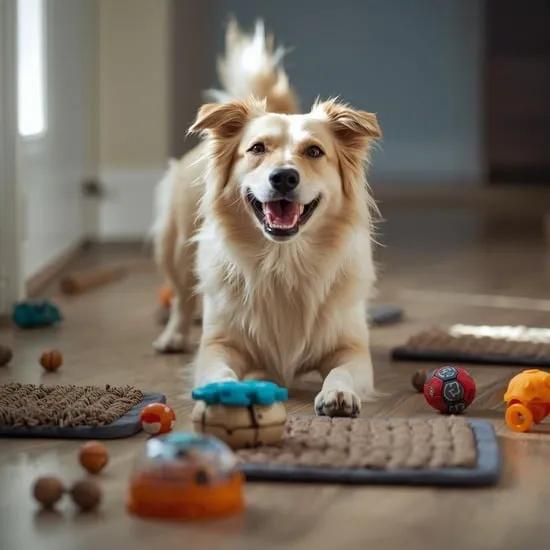
Making Indoor Exercise Fun and Effective
Even without a big yard, indoor dogs still need movement. I used hallway fetch, tug games, stair walking, and short training drills to burn energy inside the house.
These small bursts of activity added up quickly. Regular indoor exercise helped keep my dog fit, calm, and content throughout the day.
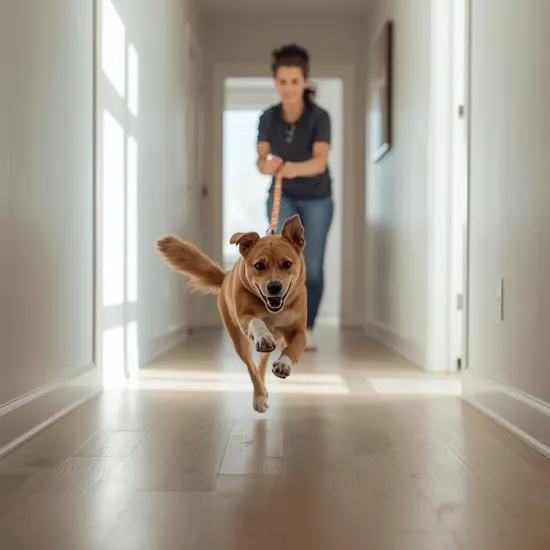
Supporting Physical Health and Comfort
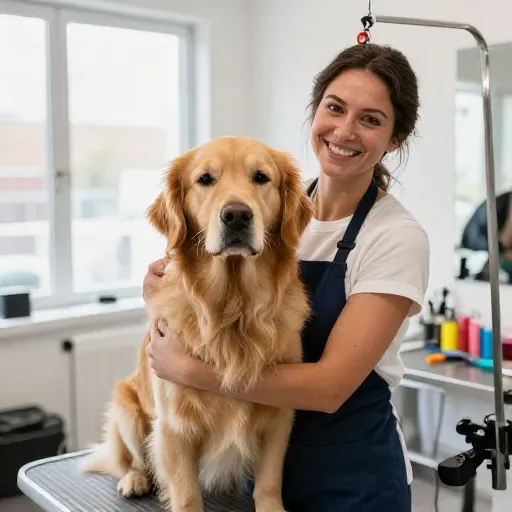
Indoor dogs still need grooming, vet care, and a comfortable living space. Regular brushing, nail trimming, and health checkups kept my dog feeling good physically.
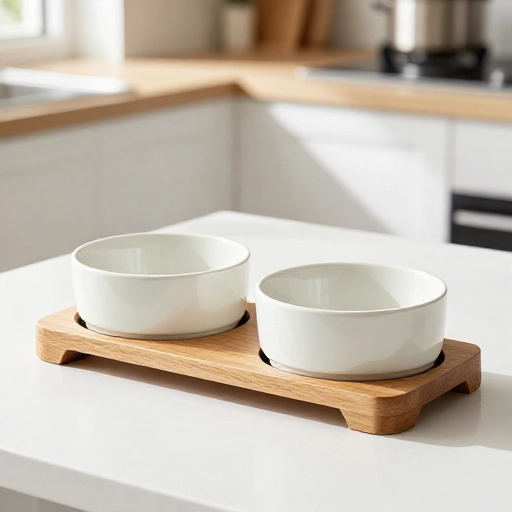
I also made sure their bed, water bowls, and favorite spots were clean and cozy. Comfort plays a big role in how to keep indoor dogs happy and healthy.

Giving Emotional Attention and Connection
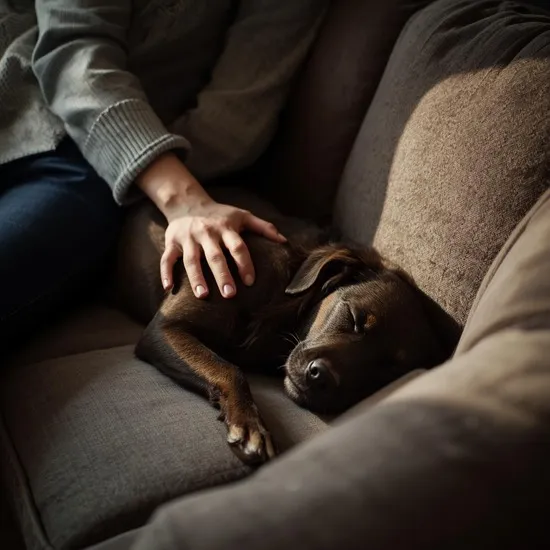
The biggest lesson I learned is that indoor dogs need emotional connection just as much as exercise. Simple things like talking to my dog, gentle petting, and calm companionship mattered deeply.
Spending intentional time together built trust and happiness. When dogs feel loved and included, they thrive indoors 💕