How to Train Your Dog at Home (Without Losing Your Mind)
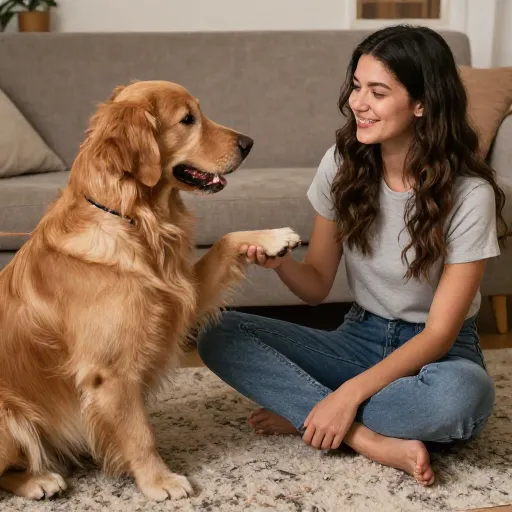
I remember the first time I tried to teach my rescue pup to sit. She looked at me like I was speaking a foreign language, then promptly flopped over for a belly rub. Training at home can feel messy, but honestly, it’s where the real bonding happens. You don’t need fancy equipment or a professional trainer on speed dial—just patience, some treats, and a little consistency.
Training your dog at home means you get to set the pace. No distractions from other dogs, no pressure to perform in a new environment. Plus, your dog feels safest with you. Whether you’re working on basics or fixing bad habits, these practical steps will help you both succeed. Let’s dive into the stuff that actually works.
I’ve broken everything down into bite-sized ideas. Pick one or two to start, and remember—every dog learns differently. You’ve got this.
Start with the “Sit” Command—It’s the Foundation
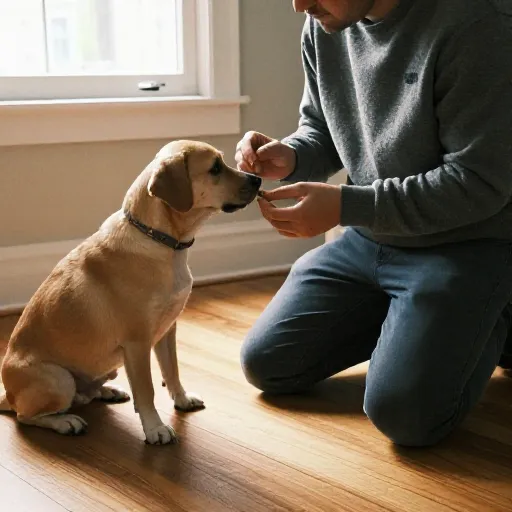
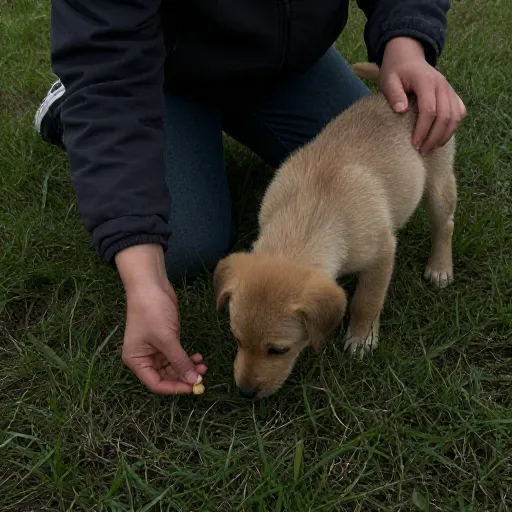
I always tell people to start with “sit” because it’s simple and sets the tone for everything else. Hold a treat close to your dog’s nose, then slowly lift it up and back over their head. As their head follows the treat, their bottom naturally hits the floor.
Say “sit” the moment their butt touches the ground, then reward immediately. Repeat this a few times a day, but keep sessions short—five minutes max. Dogs have short attention spans, and you want them to end on a win.
- Use high-value treats (tiny pieces of cheese or chicken work wonders)
- Practice in a quiet room first, then add distractions slowly
- Always use a cheerful tone—no one likes a grumpy coach
Master the “Stay” Without the Drama
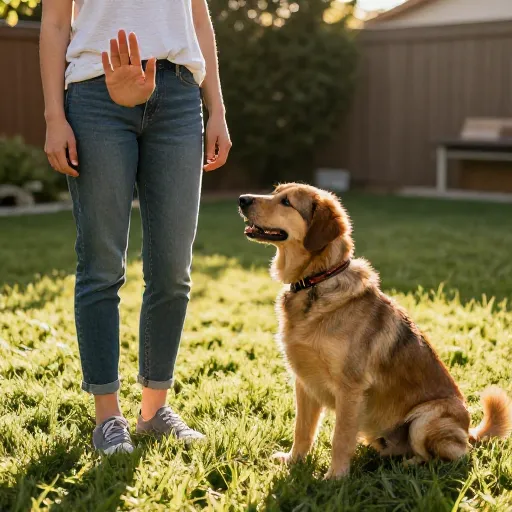
Once your dog knows “sit,” you can layer in “stay.” Ask them to sit, then hold your palm out like a stop sign and say “stay” in a calm voice. Take one step back. If they stay, return to them and reward. If they break, just start over—no scolding needed.
I like to imagine I’m a statue when I practice this. The more still and boring you are, the easier it is for your dog to hold still. Gradually increase the distance and duration, but don’t rush. Some dogs catch on in days; others need weeks.
- Always return to your dog to release them (use a word like “free” or “okay”)
- Practice in short bursts throughout the day
- Never yank on a leash or push your dog’s bottom down
Loose Leash Walking—Your Morning Walks Will Thank You
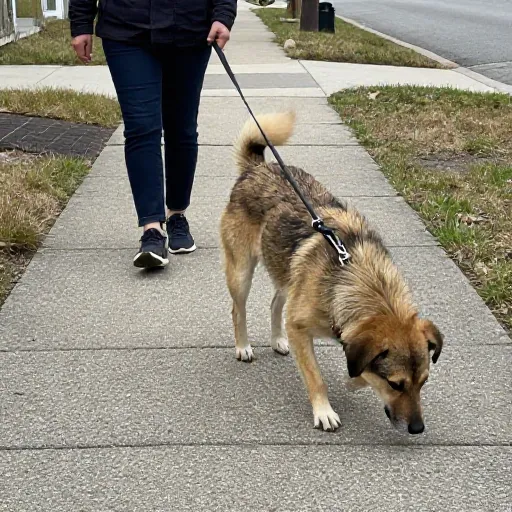
I used to think my dog was part sled dog because she pulled so hard. Teaching loose leash walking changed everything. Start indoors or in your backyard, where there are no exciting smells or squirrels. Hold the leash loosely and stop the second your dog pulls ahead.
Wait until they look back at you or take a step toward you, then reward and move forward. It feels slow at first, but consistency pays off. I promise, your shoulders will stop aching eventually.
- Use a front-clip harness for better control
- Reward every few steps when the leash is slack
- Change direction often to keep your dog engaged with you
Handling the “Down” Without Force
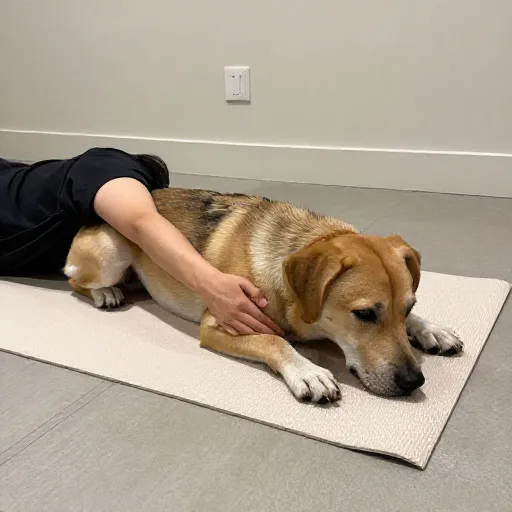
“Down” can be tricky because it feels vulnerable for dogs. Start with your dog in a sit, hold a treat in your closed fist, and lower your hand to the floor between their paws. Slide the treat forward slowly—most dogs will follow it into a lying position.
If they stand up instead, try again from a sit. Don’t push their shoulders down; that can create fear. Some dogs prefer to lie down from a standing position, so experiment. Reward the moment their elbows touch the ground.
- Practice on soft surfaces like carpet or a yoga mat
- Keep treats small so they don’t get full too fast
- Be patient—some dogs take weeks to feel comfortable with “down”
Crate Training as a Safe Space, Not a Punishment
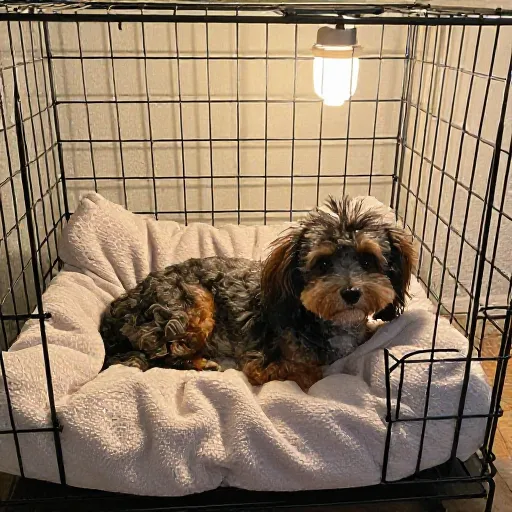
I used to feel guilty about crate training, but now my dog runs to her crate when she needs a nap. The trick is to make the crate inviting. Put a soft bed inside, toss in a few treats, and leave the door open at first. Let your dog explore on their own terms.
Feed meals near the crate, then inside it with the door open. Once they’re comfortable, close the door for one minute while you’re nearby. Gradually increase the time. The crate should never be used for time-outs—it’s their cozy den.
- Cover the crate with a light blanket for a den-like feel
- Never force your dog inside
- Use a special toy or bone only in the crate
“Leave It” for Safety and Sanity
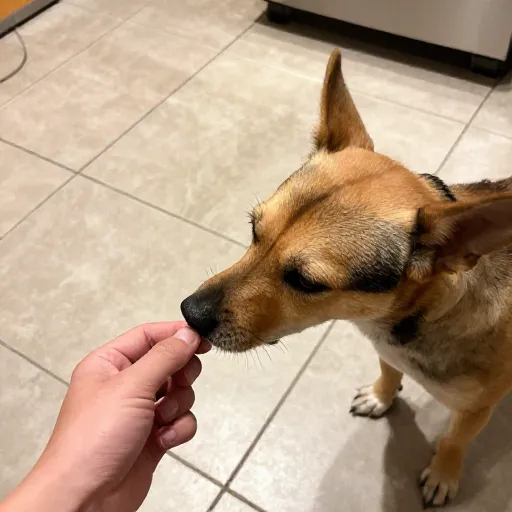
This one has saved me from countless dropped chicken bones and mysterious sidewalk snacks. Place a treat in your closed hand and show it to your dog. When they sniff or paw at it, say “leave it” in a firm but calm voice. The moment they look away (even for a second), reward them with a different treat from your other hand.
Practice with low-value items first, then work up to more tempting things. I like to drop a piece of kibble on the floor and cover it with my foot if my dog tries to grab it. Over time, they learn to wait for your signal.
- Use a different treat for the reward than the one you’re asking them to leave
- Practice in short sessions, three to five repetitions each
- Always reward the choice to disengage, not the initial interest
Recall Training—Coming When Called
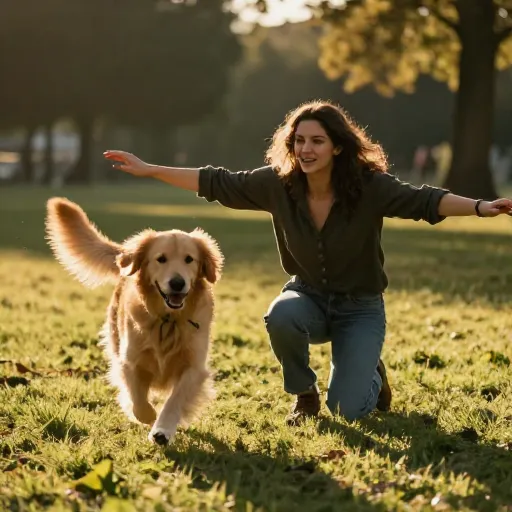
Coming when called is the most important skill for off-leash safety. Start indoors with no distractions. Say your dog’s name in a happy voice, then say “come!” and run backward a few steps. When your dog follows, reward with a party—treats, praise, a little dance.
Gradually increase the distance and add distractions. I practice calling my dog from another room while she’s sniffing something interesting. If she comes, she gets the best treat ever. Never call your dog to punish them; that ruins the trust.
- Use a long leash for outdoor practice
- Reward with something extra special every time they come
- Practice in different locations to generalize the behavior
Potty Training Without the Tears
Potty training is all about preventing accidents. Take your puppy out first thing in the morning, after meals, after naps, and before bed. Pick a specific spot outside and use a cue like “go potty.” When they go, praise quietly and reward.
If you catch them in the act indoors, clap once to interrupt, then rush them outside. Never rub their nose in it or yell—that just teaches them to hide from you. Crate training helps because dogs naturally avoid soiling their sleeping area.
- Keep a log of when accidents happen to spot patterns
- Clean accidents with an enzymatic cleaner to remove the scent
- Be patient—most dogs get the hang of it by six months
Jumping Up—Redirect, Don’t Scold
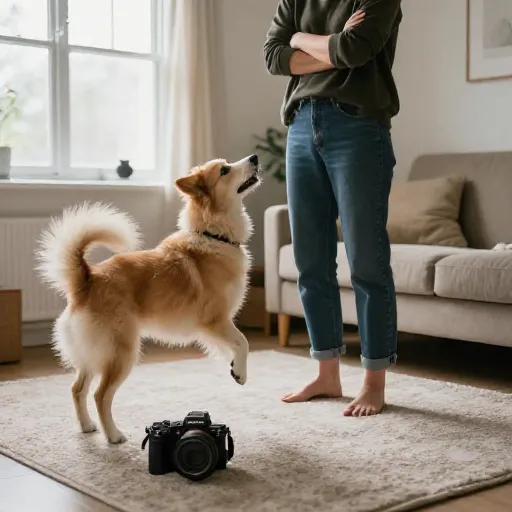
Jumping is usually about excitement, not dominance. When your dog jumps up, cross your arms, turn your back, and ignore them completely. No eye contact, no talking. The moment all four paws are on the floor, turn around and reward with calm attention.
I also teach an alternative behavior like “sit” when greeting people. Practice with family first, then friends. If your dog jumps on guests, ask the guest to turn away until the dog settles. Consistency is key—everyone in the house needs to follow the same rule.
- Keep greetings low-key (no loud “hello” or excited voices)
- Reward calm behavior before your dog even thinks about jumping
- Use a leash indoors at first to control the situation
Building a Relaxation Routine
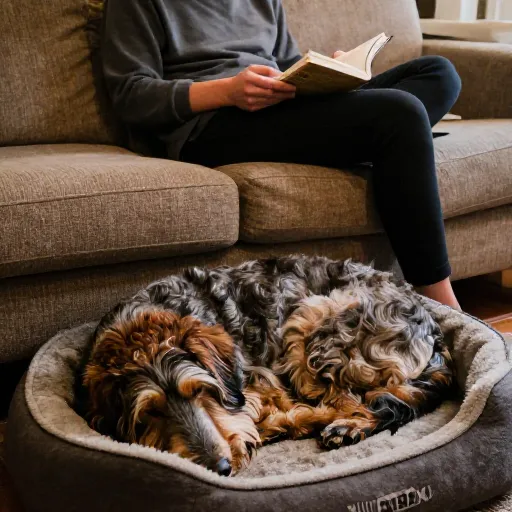
Training isn’t just about commands—it’s about teaching your dog to chill. Set aside five minutes each day for a relaxation practice. Have your dog lie on a mat or bed, and reward them for staying put while you move around the room. Gradually increase the time and your movement.
I like to pair this with a calming cue like “settle” or “relax.” Over time, your dog learns that being calm earns rewards. This is incredibly helpful for hyperactive dogs or those who struggle with separation anxiety.
- Use a specific mat or bed that signals “time to chill”
- Reward with a long-lasting chew or a stuffed Kong
- Practice during naturally calm times, like after a walk
Conclusion
Training your dog at home is a journey, not a race. Some days you’ll feel like a pro, and other days your dog will forget everything they’ve learned. That’s totally normal. The key is to keep sessions short, stay consistent, and make it fun for both of you. Celebrate the tiny wins—they add up.
Remember, your dog wants to please you. They just need clear communication and a little patience. You’re building a language together, and that takes time. Keep showing up, keep the treats handy, and don’t forget to laugh at the silly moments.
Frequently Asked Questions
How long should each training session be?
Keep sessions short—five to ten minutes max. Dogs, especially puppies, have short attention spans. It’s better to do two short sessions a day than one long one.
What if my dog doesn’t respond to treats?
Try different rewards. Some dogs prefer toys, praise, or a game of tug. Experiment to find what motivates your dog most.
Can I train an older dog?
Absolutely. Older dogs can learn new tricks. They might take a bit longer, but they’re often more focused and less distracted than puppies.
What should I do if my dog gets frustrated?
Take a break. End the session on a positive note with something easy, like a known command. Frustration means you’re moving too fast—simplify the steps.
How do I stop my dog from barking during training?
Barking can be excitement or frustration. Pause the session and wait for quiet. Reward calm behavior before continuing. If barking is intense, reduce the difficulty of the task.