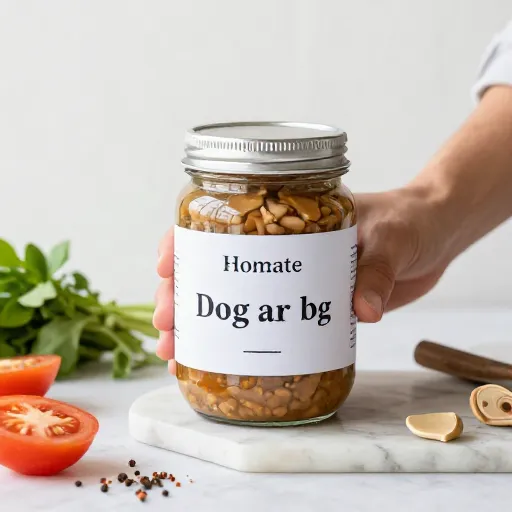
Why I Switched to Vet-Recommended Homemade Dog Food (And How You Can Too)
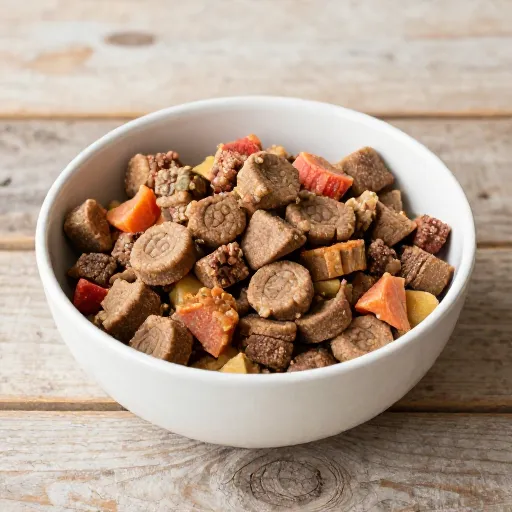
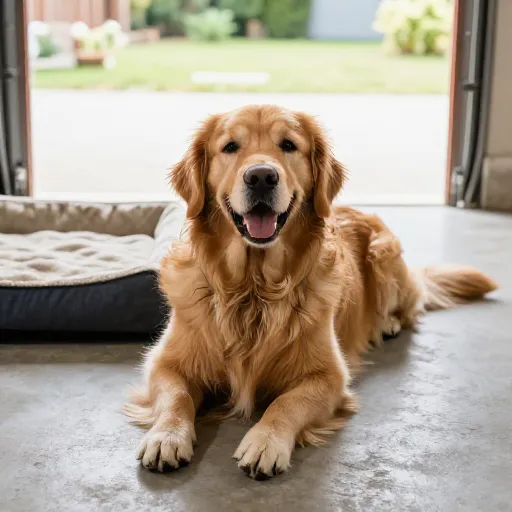
For years, I fed my golden retriever, Charlie, the same bag of kibble from the store. He ate it, but he never seemed excited. Then came the dull coat, the occasional tummy troubles, and the vet visit that changed everything. My vet gently suggested that a homemade diet, done right, could make a world of difference.
I was nervous at first. Cooking for my dog felt like a big responsibility. But with my vet’s guidance and a few simple recipes, I saw Charlie transform. His coat got shiny, his energy bounced back, and he actually wagged his tail at mealtime. Now, I want to share exactly how you can do this too—safely, simply, and with confidence.
This isn’t about fancy ingredients or complicated steps. It’s about real food, real love, and a happy, healthy dog. Let’s get started.
Equipment You’ll Need
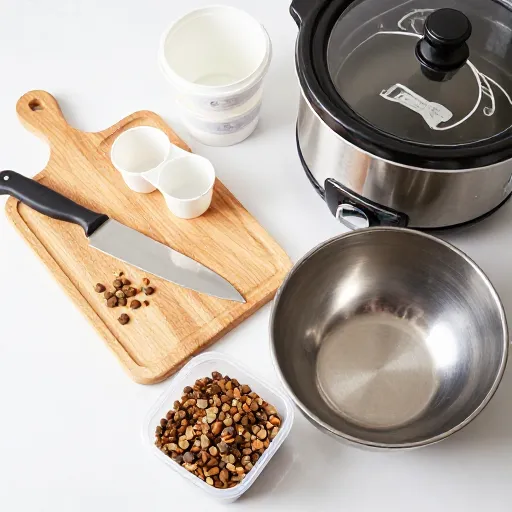
You don’t need a gourmet kitchen to make homemade dog food. Just a few basics: a large pot or Dutch oven, a sharp knife, a cutting board, and some storage containers. I use glass containers because they’re easy to clean and don’t hold smells. A food scale helps if you want to be precise about portions, but a measuring cup works fine too.
One tip: get a big pot. You’ll be cooking a week’s worth of food at once, so size matters. Trust me, you don’t want to be scrubbing a burnt pot because it was too small.
Ingredients for a Balanced Meal
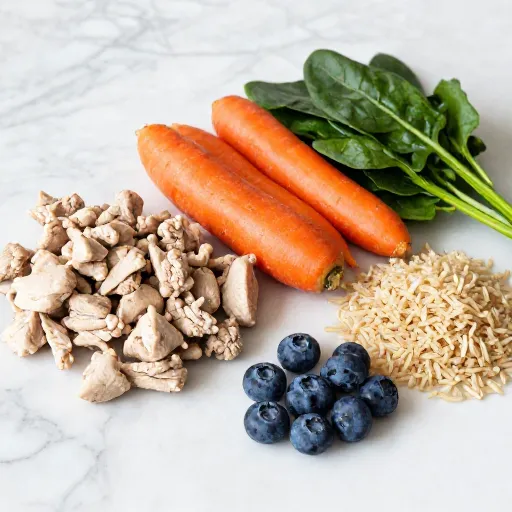
My vet gave me a simple formula: lean protein, healthy carbs, and veggies. For protein, I use ground turkey or chicken breast. For carbs, cooked quinoa or brown rice. For veggies, I rotate between carrots, green beans, and spinach. Sometimes I add a small spoonful of plain pumpkin for digestion.
Here’s what I use for one week’s worth of food (for a 50-pound dog):
- 2 pounds ground turkey (93% lean)
- 2 cups cooked quinoa
- 1 cup steamed carrots, chopped
- 1 cup steamed green beans, chopped
- 1 tablespoon fish oil (for omega-3s)
- A pinch of salt (optional, but my vet says it’s fine)
Always check with your vet before adding supplements. Every dog is different.
How to Make It: Step-by-Step
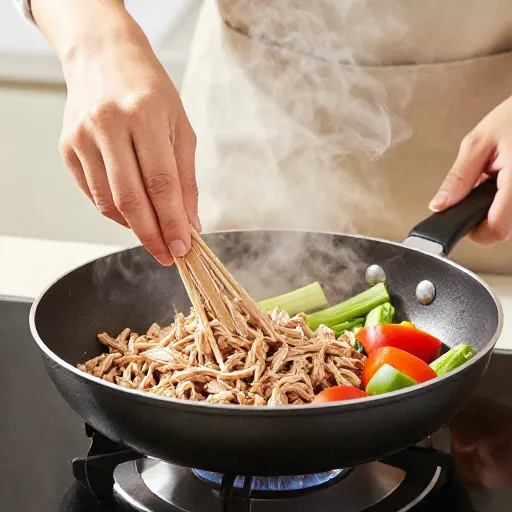
This recipe is so easy, you’ll wonder why you didn’t try it sooner. First, cook your quinoa according to package directions and set it aside. In your big pot, brown the ground turkey over medium heat, breaking it up with a spoon. No oil needed—the turkey has enough fat.
While the meat cooks, steam your veggies until tender. I usually microwave them in a bowl with a splash of water for 3 minutes. Once the turkey is done, add the quinoa and veggies to the pot. Stir everything together, then add the fish oil. Let it cool completely before serving.
Portion it into containers and refrigerate. I make a batch every Sunday, and it keeps for 5 days. For longer storage, freeze individual portions.
Why This Recipe Works
This isn’t just a random mix of foods. It’s balanced to meet your dog’s nutritional needs. The lean protein builds muscle, the quinoa provides energy without spiking blood sugar, and the veggies deliver vitamins and fiber. The fish oil keeps their coat soft and their joints happy.
My vet approved this recipe because it avoids common pitfalls: too much fat, not enough fiber, or missing nutrients. It’s simple, but it’s complete. Plus, it’s budget-friendly. A week’s worth costs me less than a premium bag of kibble.
Conclusion: Your Dog Will Thank You
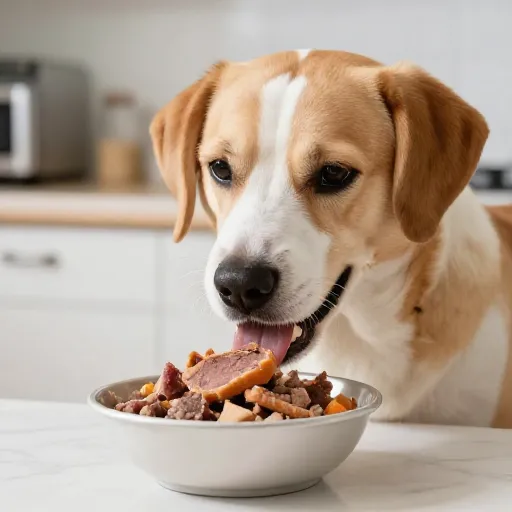
Making homemade dog food changed everything for Charlie and me. He’s healthier, happier, and more excited about meals than ever. And I feel good knowing exactly what’s in his bowl. It takes a little time upfront, but the payoff is huge.
Start small. Try one batch. See how your dog responds. And always, always talk to your vet first. They’ll help you tailor the recipe to your dog’s specific needs. You’ve got this.

Frequently Asked Questions
1. Can I use chicken instead of turkey?
Absolutely. Ground chicken or boneless thighs work great. Just remove the skin to keep it lean.
2. How much should I feed my dog?
Start with about 2% of your dog’s body weight per day, split into two meals. For a 50-pound dog, that’s about 1 pound of food per day. Adjust based on their activity level and weight.
3. Do I need to add supplements?
My vet recommended fish oil for omega-3s. Some dogs need a calcium supplement if they’re not getting bones. Always ask your vet before adding anything.
4. Can I freeze this food?
Yes! Portion it into freezer-safe bags or containers. It keeps for up to 3 months. Just thaw in the fridge overnight.
5. What if my dog has allergies?
Swap the protein or veggies. Try salmon instead of turkey, or sweet potatoes instead of quinoa. Your vet can help you find safe alternatives.