Yeast Infection in Dogs: Natural Relief That Helped My Itchy, Smelly Pup
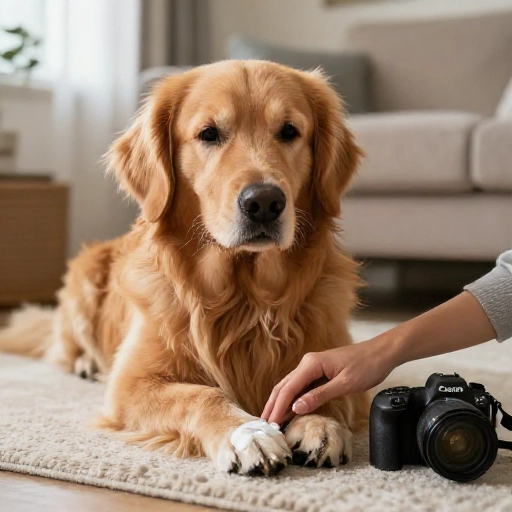
If your dog smells like corn chips, licks his paws raw, or shakes his head all night, you might be dealing with a yeast infection. I know that smell. My dog’s paws were rusty, his ears were gunky, and he was chewing himself every evening. I wanted natural relief, not just another pill.
Here’s what I learned: yeast infections in dogs usually have an underlying trigger. Allergies, moisture, gut health, thyroid issues, and even dry skin can let yeast take over. Natural relief can calm the flare, but it works best when you also fix the “why.”
Below are 10 natural ideas I’ve used or asked my vet about. Start slow, patch test, and if your dog is painful or getting worse, call your vet.
1. Know the Signs: Is It Really Yeast?
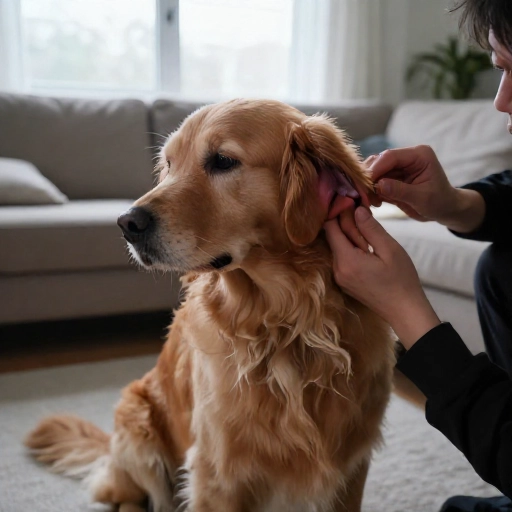
Yeast dermatitis often shows up as a musty, corn-chip smell. The skin may look greasy, red, thickened, or darker than normal. Ears might have brown discharge, and paws can be stained from constant licking.
It’s easy to mistake yeast for allergies or bacteria. A vet can do a skin scrape or ear swab to confirm. That matters because natural remedies for yeast won’t fix a bacterial infection or a thorn stuck in a paw.
If I see open sores, limping, head tilt, or my dog crying when touched, I skip the homemade stuff and go straight to the vet.
2. Start With a Vet Visit (Even If You Want Natural)
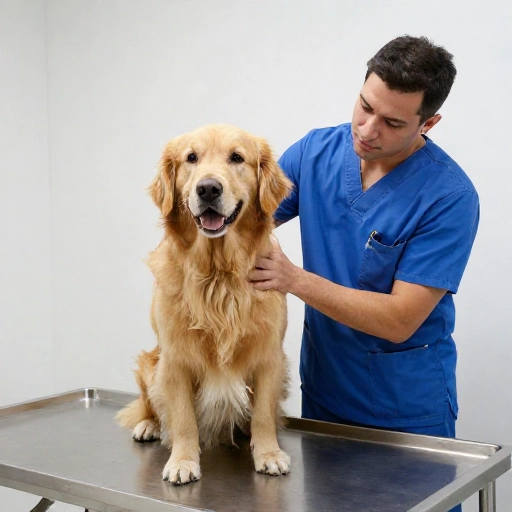
I used to think going natural meant avoiding the vet. Now I see it differently. A vet visit gives me a clear diagnosis and rules out diabetes, thyroid issues, or severe allergies that keep yeast coming back.
Your vet may prescribe an antifungal or medicated bath for the flare. I still use natural support alongside that plan. It’s not either/or.
If money is tight, ask for a skin cytology and a simple plan. Knowing what you’re treating saves weeks of guessing.
3. Keep the Skin Dry and Breezy
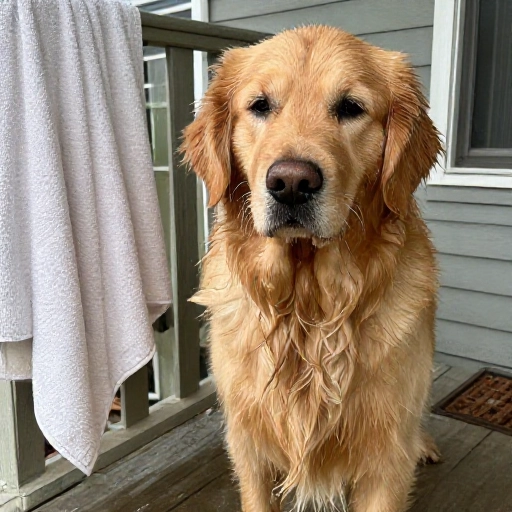
Yeast loves damp, warm places. After a bath, swim, or rainy walk, I dry my dog’s paws, ears, neck, and skin folds. A soft towel and a cool blow dryer on low work well.
I also wash bedding often and avoid thick, sweaty coats unless it’s truly cold. Air flow is free medicine.
For dogs with heavy wrinkles or fluffy ears, I lift and dry those spots every few days. It’s a tiny habit that stops yeast from settling in.
4. Gentle Baths That Calm, Not Strip
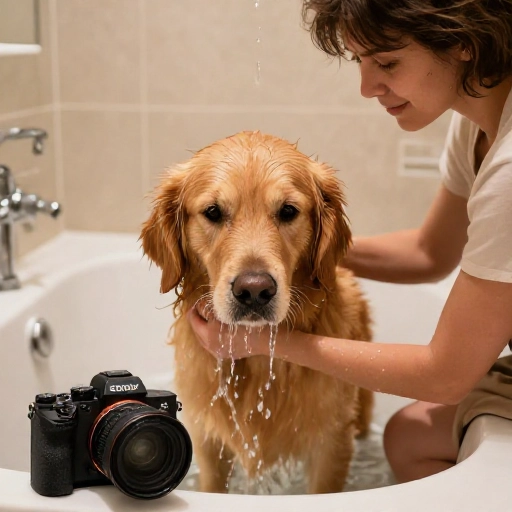
A good bath removes yeast, debris, and allergens from the coat. I look for gentle, dog-safe shampoos with oatmeal, aloe, or calendula. Harsh fragrances and sulfates can make itchy skin worse.
During a flare, I bathe once or twice a week with lukewarm water. I rinse until the water runs clear—leftover shampoo feeds irritation.
Then I dry thoroughly, especially between toes and in armpits. If the skin is raw, I ask my vet which shampoo is safe before trying anything new.
5. Apple Cider Vinegar Soaks? Use With Care
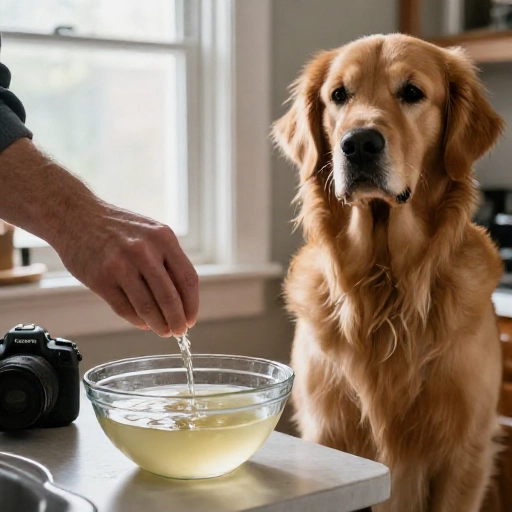
Diluted apple cider vinegar is a popular natural remedy for dog yeast. It can help reset skin pH on healthy skin, but it stings broken skin. I never use it on open sores or hot spots.
If I use it, I mix one part raw ACV with three to four parts water. I wipe paws or affected skin with a soft cloth, then dry. I watch for redness or pain.
I never pour vinegar into a dog’s ear canal. For ears, I use a vet-approved ear cleaner instead. When in doubt, skip the vinegar.
6. Coconut Oil and Other Topical Helpers
Coconut oil is my go-to for dry, crusty edges of a yeast flare. It has lauric acid, which may help calm yeast and moisturize irritated skin. I rub a very thin layer on clean, dry skin.
Colloidal oatmeal, calendula cream, and plain aloe vera gel can also soothe itching. I patch test on a small area first and wait 24 hours.
I avoid tea tree, eucalyptus, citrus, oregano, and cinnamon oils. They can burn skin or be toxic if licked. Natural doesn’t always mean safe for dogs.
7. Probiotics and Gut Support
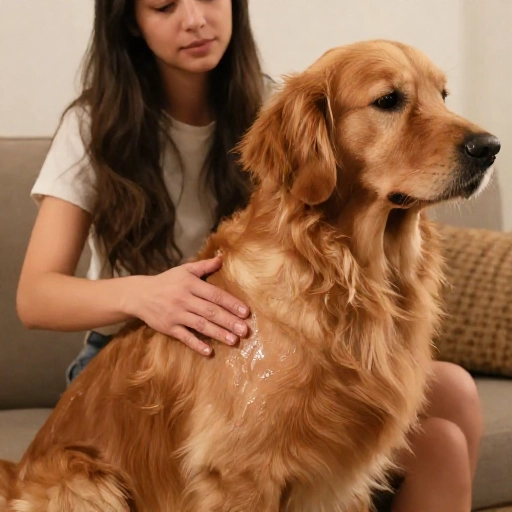
The gut and skin are connected. When my dog’s digestion is off, his skin often flares. A dog-specific probiotic can support his immune system and help balance yeast from the inside.
I look for strains like Lactobacillus and Bifidobacterium, but I ask my vet for the right product. Plain kefir or unsweetened yogurt can help some dogs if they tolerate dairy.
I also add a little pumpkin or a prebiotic fiber if my vet approves. Go slow—too much too soon can cause gas or loose stools.
8. Omega-3s and Skin-Friendly Diet
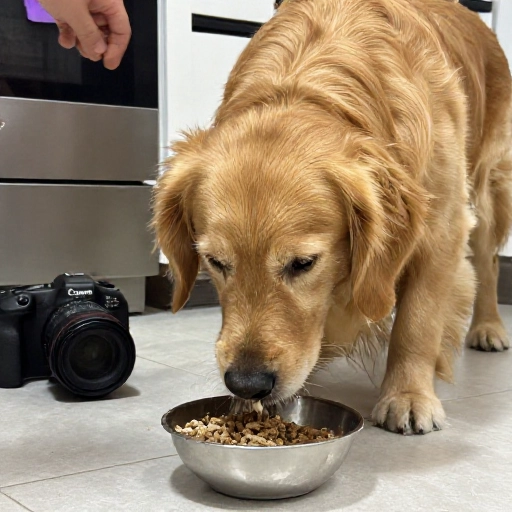
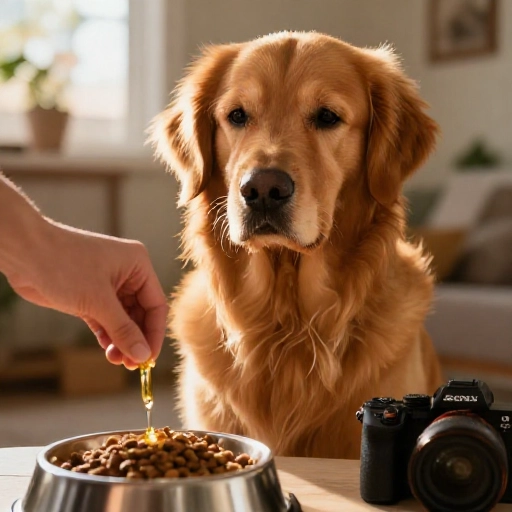
Omega-3 fatty acids help reduce inflammation and support a healthy skin barrier. I add fish oil, salmon oil, or sardines to my dog’s bowl after checking the dose with my vet.
If allergies are the root cause, I try a limited-ingredient or novel-protein diet. I read labels carefully and avoid sugary treats and table scraps during a flare.
I don’t believe one miracle food cures yeast. But a balanced, anti-inflammatory diet makes natural relief work better.
9. Ears, Paws, and Skin Folds: The Yeast Hotspots
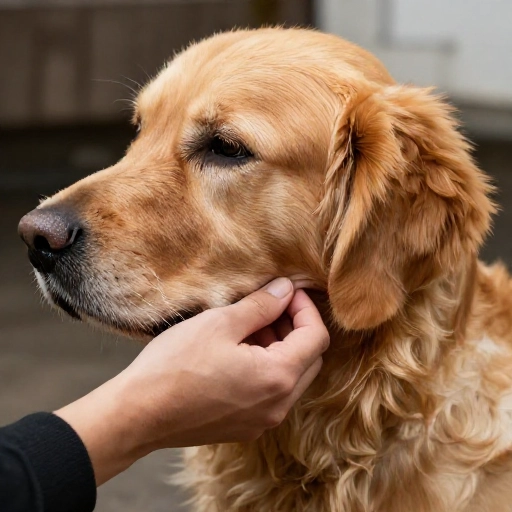
Yeast loves ears, paws, and skin folds. I check my dog’s ears weekly. If they smell or look red, I use a vet-approved cleaner and dry them gently with gauze.
For paws, I wipe after walks and dry between the toes. A diluted paw soak with vet-approved solution can help, but I skip home remedies if he’s licking the area raw.
For skin folds, I wipe with a clean, damp cloth, then dry completely. I never scrub hard. Consistency beats harsh scrubbing every time.
10. Natural Doesn’t Mean Forever: When to Escalate
If I don’t see improvement in one to two weeks, I call my vet. Yeast infections can get worse, spread, or become resistant. Strong smell, pain, lethargy, or appetite loss are red flags.
I also escalate if my dog is bleeding, limping, or shaking his head nonstop. Natural relief is support, not a replacement for real treatment when the body needs help.
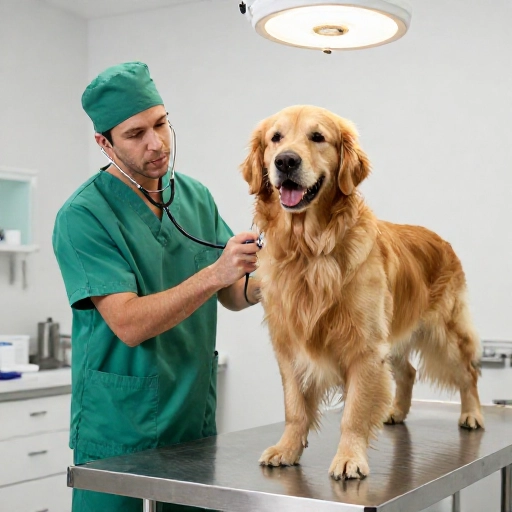
The best plan is usually a mix: vet diagnosis, targeted treatment, natural soothing, and fixing the trigger. That’s how I keep yeast from coming back every month.
Conclusion: Small, Consistent Steps Win
Yeast infections in dogs can feel endless, but natural relief can make a real difference when you stay consistent. Dry the paws, calm the skin, support the gut, and lower the allergen load.
Most of all, don’t ignore the why. Yeast is often a symptom, not the whole story. Work with your vet, keep a simple routine, and your dog’s skin can get calmer.
FAQ: Yeast Infection in Dogs Natural Relief
1. What does a yeast infection smell like on a dog?
It usually smells musty, earthy, or like corn chips. The skin may also look greasy, red, or thickened.
2. Can I use apple cider vinegar on my dog’s yeast infection?
Only diluted and only on healthy, unbroken skin. Never use it in the ear canal or on open sores. If your dog seems painful, stop and call your vet.
3. Is coconut oil good for dog yeast infections?
Coconut oil can soothe dry, irritated skin and may help with yeast on the surface. Use a thin layer and stop if it causes redness, greasiness, or more licking.
4. How long does natural relief take to work?
Mild cases may improve in a few days to two weeks with consistent bathing, drying, and diet support. If there’s no progress in two weeks, see your vet.
5. When should I stop natural remedies and see a vet?
See a vet right away for pain, limping, open sores, strong odor, head tilt, lethargy, or loss of appetite. Puppies and senior dogs should be checked early too.