10 Easy Dog Run Ideas That Won’t Break The Bank (And Your Pup Will Actually Love)
Okay, let’s be real for a second. We all dream of giving our dogs a massive, sprawling backyard where they can zoom around to their heart’s content. But the reality? Space is tight, and budgets are tighter. I’ve been there. You look at those fancy dog run kits online and just… gulp. The price tags are enough to make you want to just give up and stick to extra-long walks.
But here’s the good news: you absolutely do not need a contractor or a huge pile of cash to give your furry friend a safe, fun, and dedicated space to run. Over the years, I’ve figured out a bunch of clever, budget-friendly ways to create a dog run that looks great and, more importantly, keeps your pup happy and secure. Whether you have a tiny city yard or a sprawling rural property, there’s a solution here for you.
I’ve rounded up my absolute favorite DIY and low-cost dog run ideas that are practical, easy to set up (usually in a weekend), and won’t make your wallet cry. Let’s dive in and get your pup their very own zoomie zone!
1. The Classic Chain-Link Panel Run
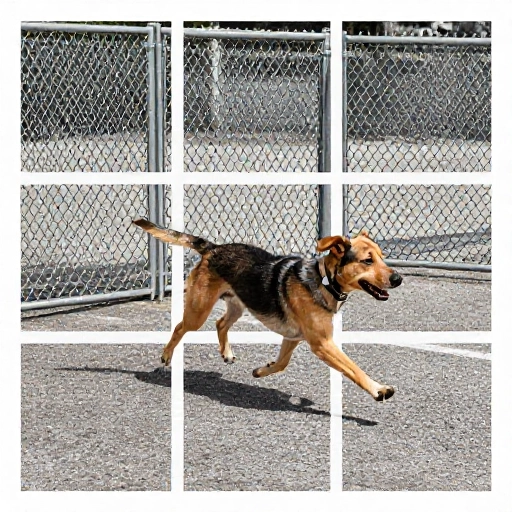
This is the old faithful of dog runs for a reason. It’s durable, easy to find, and surprisingly affordable if you buy it in panels. You don’t need to pour a concrete foundation; you can just set the panels up and secure them with metal stakes driven into the ground. It’s a straightforward weekend project.
I love this option because it’s incredibly versatile. You can configure the panels into any shape you need—a long narrow strip along the side of the house, a square in the corner of the yard, or even a large rectangle. Plus, it gives your dog a clear view of the world, which they absolutely love. It’s like their own personal window to the neighborhood.
To keep the cost down, look for used panels on local marketplace sites or check for damaged ones at big-box hardware stores—often they’re heavily discounted for a small dent that won’t affect the structure at all. Just make sure the gauge of the wire is thick enough to withstand your dog’s pushing.
2. The Super Simple T-Post Fence
If your ground is rocky or you just want the absolute cheapest option, T-posts are your best friend. These metal posts hammer right into the ground, and then you attach welded wire fencing (like cattle panel or hog wire) to them using zip ties or heavy-duty clips. It’s a super simple, no-fuss system.
The key here is to choose the right fencing material. Welded wire is much stronger and safer than chicken wire, which can be easily torn by a determined digger. I recommend using a 4-foot or 5-foot tall welded wire roll. It’s surprisingly inexpensive and will last for years.
One tip from my own experience: make sure the bottom of the fence is flush with the ground. If your dog is a digger, you can lay a few large rocks or bricks along the bottom edge on the inside to prevent escape attempts. This is a rugged, functional, and seriously cheap way to build a run.
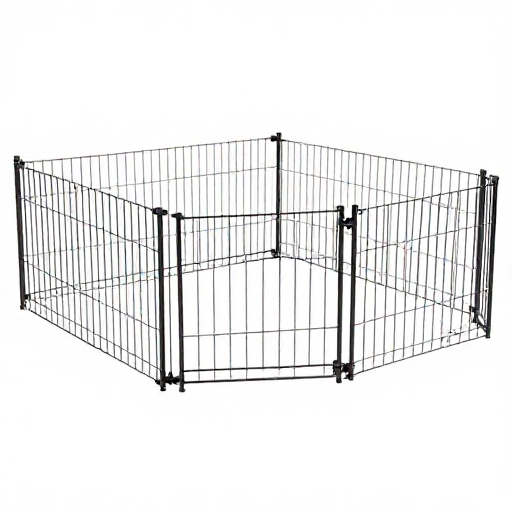
3. The Repurposed Cattle Panel Arch
This is one of the most fun and creative ideas I’ve seen, and it looks so much more expensive than it is! Cattle panels are large, heavy-gauge wire panels that are typically used for livestock. If you bend one into an arch and secure both ends to the ground, you create a natural, tunnel-like run that dogs find incredibly exciting.
This works best for a long, narrow space. You can make a series of arches and connect them, or just use a couple of panels to create a shaded, secure corridor. It gives your yard a really cool, architectural feel that’s totally unique. Your dog will love running through it, and it’s a great conversation starter.
To secure the arches, you’ll need to drive a few sturdy stakes into the ground on each side and attach the panel to them with wire. It’s a bit of a workout to bend the panels, but it’s totally doable with two people. This is a brilliant, budget-friendly way to add some serious fun to your dog’s outdoor space.
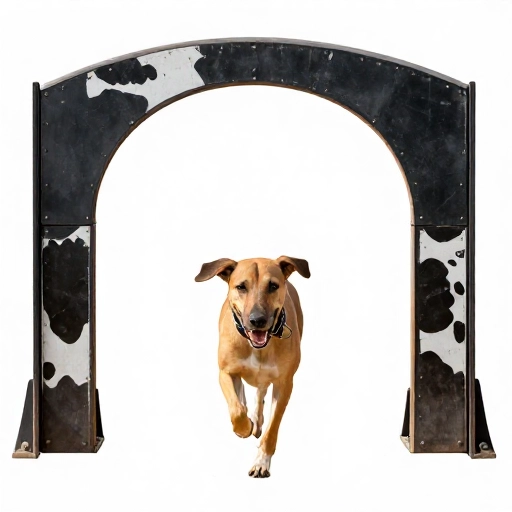
4. The “Post and Rail” Wooden Frame
For a more polished and permanent look that still won’t break the bank, consider building a simple wooden frame. You use basic pressure-treated lumber for the posts and rails, and then attach wire mesh to the inside. This gives you the clean aesthetics of a custom-built fence at a fraction of the cost.
This is a great option if you want the run to blend in with your existing landscaping or if you have a homeowners’ association with specific rules about fencing. The wood provides a solid, sturdy structure, while the wire mesh keeps the view open. It looks intentional and well-kept.
The cost is mostly in the lumber, but you can save money by using plain 2x4s for the rails instead of fancy pre-made fence panels. I suggest staining or painting the wood to match your house or fence—this really elevates the whole look and protects the wood from the elements for years to come.
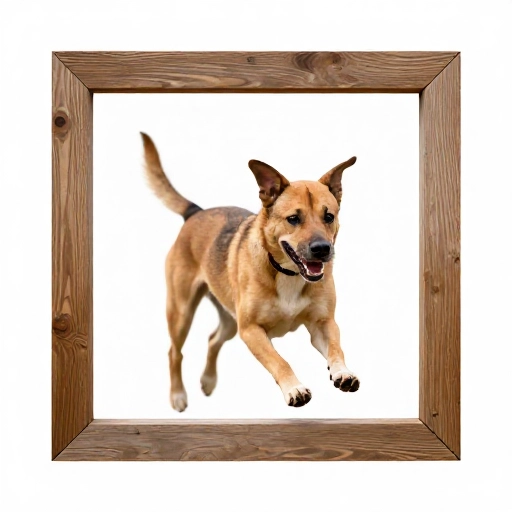
5. The Portable “Zip Tie” Wonder
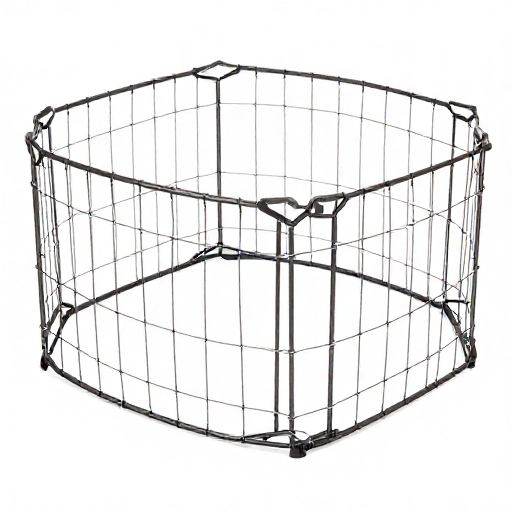
Are you a renter? Or do you just like the flexibility of being able to move things around? This idea is for you. It’s the ultimate no-damage, portable dog run. All you need is some lightweight wire fencing and a bunch of heavy-duty zip ties to connect the sections together.
The beauty of this system is that it requires zero tools. You can create any shape you want—a circle, a square, a rectangle—simply by arranging the panels and zip-tying them at the corners. When you move or want to change the layout, you just snip the zip ties and start again. It’s genius.
To keep it stable, you can anchor it with sandbags or heavy planters on the bottom corners. It won’t stop a determined digger, but for a dog who just needs a safe place to potty and play, it’s perfect. This is a super smart, super cheap, and super flexible solution for any dog owner.
6. The Shady “Patio” Run
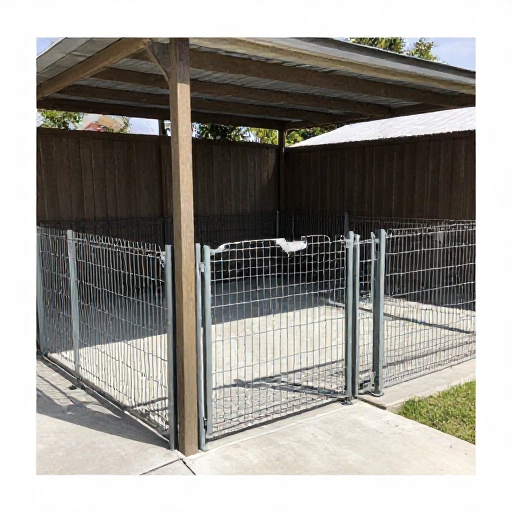
If you have a patio or a concrete pad, you might think you don’t have room for a dog run. But you can actually create a fantastic enclosed space using that hard surface! You just need to fence in the perimeter, and you’re good to go. This is great because it’s naturally well-drained and easy to clean.
This is where using a metal or vinyl-coated fencing panel comes in handy. You can attach them to the house wall or existing fence posts to create a compact, secure enclosure. It’s perfect for smaller dogs or for a quick potty spot that you can easily hose down.
I love this idea because it keeps your dog off the muddy grass and makes cleanup a breeze. Just add a comfy outdoor dog bed and a water bowl, and you have a luxurious little suite for your pup. It’s a practical, low-cost, and high-reward use of space you might already have.
7. The Invisible Fence Solution
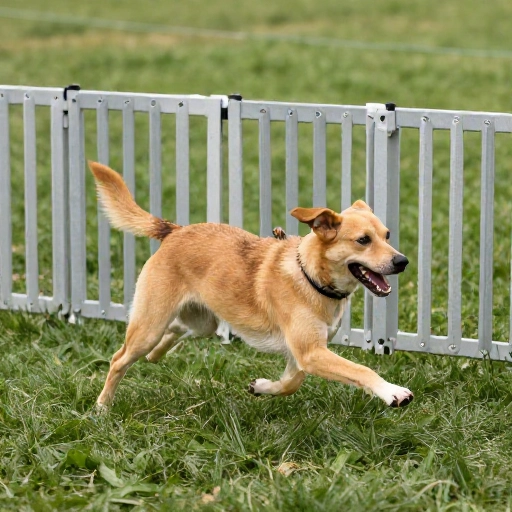
Okay, this isn’t a physical fence, but it’s a brilliant and often cheaper alternative to building a traditional run. An invisible or wireless fence system allows you to set boundaries for your dog without any visible barriers. This is a fantastic option for large properties where fencing the whole area is just too costly.
These systems use a transmitter and a receiver collar. When your dog gets too close to the boundary, they hear a warning beep, and if they continue, they get a mild static correction. It takes some training, but most dogs learn the boundaries quickly. It truly gives your dog the freedom to roam a huge area.
I will say, this is not for every dog. It’s not ideal for very stubborn or highly prey-driven pups. But if your dog is smart and trainable, this can be a game-changer. It’s a fraction of the cost of a physical fence and gives you unlimited flexibility in defining the run area. You can even set up a specific “run zone” away from your main yard.
8. The Upcycled “Wooden Pallet” Run
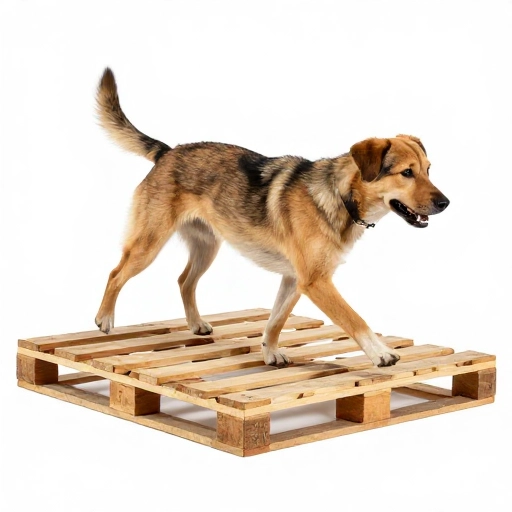
This is the ultimate “trash to treasure” project. Wooden pallets are often free for the taking at local businesses, and they can be transformed into a surprisingly sturdy and rustic dog run. It’s a fantastic eco-friendly option that saves you a ton of money on lumber.
You’ll need to source pallets that are in good condition and free of any chemical spills. Then, you can stand them up and connect them with brackets or heavy-duty screws to form your run’s walls. It creates a solid, private space that blocks the wind and gives your dog a sense of security.
You can leave them natural for a rustic farmhouse look, or you can paint them to match your home’s exterior. Make sure to sand down any rough edges to protect your pup. This is a seriously cool, creative, and incredibly low-cost way to build a unique dog run that has a ton of character.
9. The “Kiddie Pool” Splash Zone
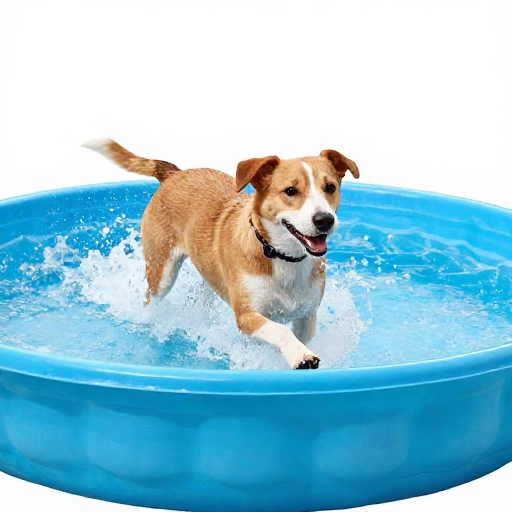
This isn’t a full run, but it’s the perfect addition to any run you build, and it’s a total game-changer for summer fun. A simple, inexpensive kiddie pool can turn an ordinary dog run into your pup’s favorite place on earth. It’s the cheapest “luxury” upgrade you can give them.
Just place the pool inside the run and fill it with fresh water. Most dogs love to splash, wade, and play in the water to cool off on a hot day. It’s also a great way to keep them entertained and active. Just be prepared for some wet, muddy paws afterward!
I recommend getting a durable, rigid plastic pool rather than an inflatable one, as it will last much longer against excited claws. This simple addition will make your dog run feel like a five-star resort. It’s all about the fun for them, not the cost.
10. The “Grass Patch” Turf Run
If you’re tired of looking at a muddy, patchy dirt area where your dog runs, this is a brilliant fix that’s more affordable than you might think. Instead of installing a full lawn, you can lay down a section of artificial turf specifically for the dog run. It looks great and is super easy to clean.
You can buy artificial turf remnants at a discount, which makes this a very budget-friendly project. Just lay it down over the dirt, secure the edges with landscape staples, and you’re done. It provides a soft, clean surface for your dog to play on, and you don’t have to worry about them digging it up.
To keep it smelling fresh, just spray it down with the hose and use a pet-safe enzyme cleaner once a week. This is a wonderful way to make your dog run look polished and inviting while also being incredibly practical. It’s a small investment that pays off in big ways.
Wrapping It Up: Your Dog’s Dream Run Is Within Reach
See? You don’t need a huge budget to create an amazing space for your furry best friend. From simple T-posts to clever pallet projects, there’s a solution for every yard and every wallet. The most important thing is that your dog has a safe, secure, and fun place to play and burn off energy.
I hope these ideas have sparked some inspiration. Grab your tools, pick your favorite project, and get ready to see the pure joy on your dog’s face when they discover their new favorite spot. They don’t care if it’s fancy—they just care that it’s theirs.
Frequently Asked Questions
How big should my dog run be?
As a general rule of thumb, the run should be at least three times the length of your dog, and it should be wide enough for them to comfortably turn around. However, bigger is always better when it comes to giving them room to run and play. Even a modest 10×10 space can work for a smaller breed.
What is the cheapest material for a dog run?
Without a doubt, welded wire fencing and T-posts are the most budget-friendly materials. You can often find these at a great price, especially if you buy in bulk or find them used. This combination is durable, easy to install, and will last for years.
How do I stop my dog from digging under the fence?
This is a common issue! The best solution is to lay a barrier along the bottom of the fence. You can bury the bottom edge of the wire a few inches into the ground, or place large rocks, cinder blocks, or pavers along the inside perimeter to block the digging path.
Can I build a dog run on a slope?
Yes, you can! For a slight slope, you can just adjust your fencing to follow the terrain. For a steeper slope, you may need to create a level base by adding gravel or soil. The key is to ensure the fence line is secure and there are no gaps at the bottom for your dog to escape.
Is it better to use a chain-link or a solid fence for a dog run?
It depends on your dog! Chain-link is great for visibility and air circulation, which many dogs enjoy. A solid fence can be better for dogs who get overly stimulated by seeing things outside the run, as it creates a calmer, more private space. Think about your dog’s personality to make the best choice.