10 Genius Dog Grooming Tips at Home That Will Save You Money (and Your Sanity)
Let’s be honest—grooming your dog at home can feel like a wrestling match with a fluffy, furry tornado. Between the flying hair, the bath-time splashes, and the suspicious look your pup gives you when you pull out the clippers, it’s easy to just give up and book a professional. But here’s the thing: with a few insider tricks, you can absolutely keep your furry best friend looking (and smelling) amazing right in your own bathroom.
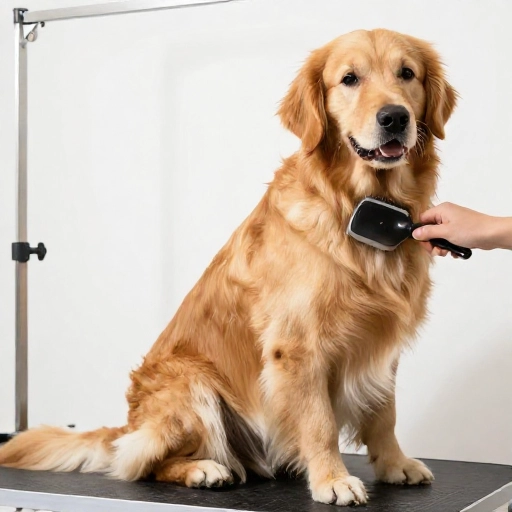
I’ve been there. I’ve chased my Golden Retriever around the living room with a brush, and I’ve cried over matted fur behind his ears. But over the years, I’ve learned that the secret isn’t just about having the right tools—it’s about making the experience feel like a spa day, not a chore. These ten tips are the game-changers that turned my chaotic grooming sessions into bonding time. Grab a towel and let’s dive in!
1. Master the Art of the Pre-Bath Brush-Out
I cannot stress this enough: never, ever bathe a dog with tangles. When water hits a mat, it tightens it into a rock-solid, impossible-to-remove mess. This is the rookie mistake that leads to painful shaving at the vet. Save yourself the heartbreak and spend ten minutes brushing before the water even turns on.
Start with a slicker brush for the body and a metal comb for the face and tail. Work in small sections, holding the fur at the base to avoid pulling their skin. If you hit a stubborn knot, use a detangling spray and work it out with your fingers first.
Think of this step as the warm-up at the gym. It gets the blood flowing to the skin, distributes natural oils, and removes the loose dirt that would otherwise turn into mud in the tub. A quick brush-out makes the rest of the process feel effortless, and your dog will actually start to relax because the hard work is already done.
2. Choose the Right Shampoo (Hint: Your Scent Matters)
That human shampoo smells nice to you, but your dog has a super-sensitive nose. Using the wrong product strips away their natural protective oils, leading to itchy, flaky skin and a dull coat. You need a shampoo specifically formulated for canine pH levels, and you need to match it to their skin type.
If your pup has sensitive skin, look for oatmeal-based formulas. For a stinky, muddy adventurer, go for a deodorizing shampoo with natural citrus or tea tree oil. And please, avoid anything with harsh artificial dyes or parabens. Your dog’s skin absorbs what you put on it.
Here’s a pro tip: dilute the shampoo with water in a squeeze bottle before applying. It spreads easier, lathers up faster, and rinses out cleaner. You’ll use less product, and you won’t have to scrub aggressively to get a good lather, which is much gentler on their skin.
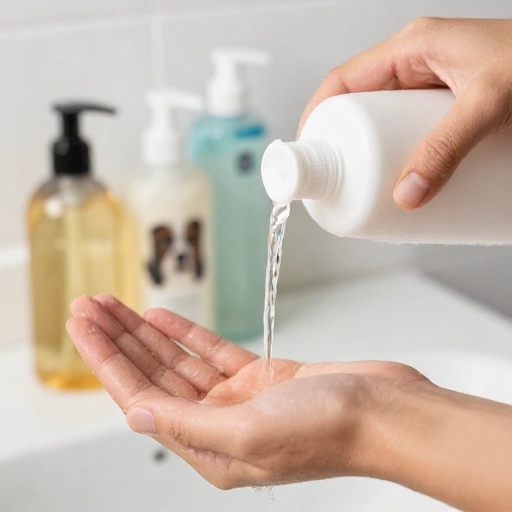
3. The “Finger Brush” Trick for a Thorough Lather
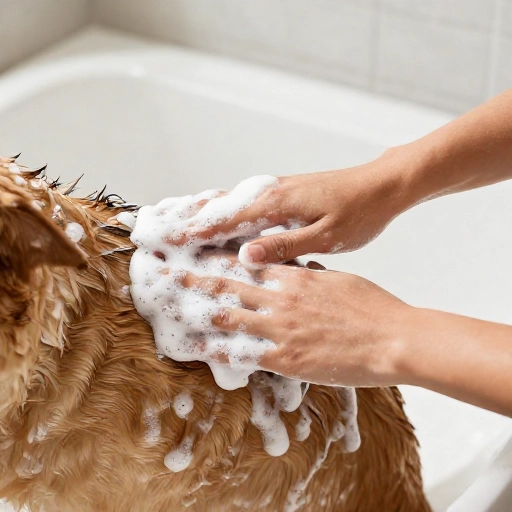
Most people make the mistake of just dumping shampoo on the back and scrubbing in circles. That only cleans the top layer. The dirt lives deep down near the skin, especially in dogs with thick double coats. You need to get your fingers in there and work the lather down to the roots.
Use your fingertips to massage the shampoo in with long, back-and-forth motions, almost like you’re petting them in reverse. Get under the belly, behind the ears, and definitely the armpits. These are the “hot spots” where sweat and grime accumulate.
Don’t forget the paw pads! Lift each paw and gently scrub between the toes. This is a great time to check for any cuts, ticks, or grass seeds that might be lodged in there. A good massage during bath time also helps your dog associate water with positive touch, making future baths less of a battle.
4. The Double Rinse Rule (You’re Not Done Yet)
I have a confession: I used to think one good rinse was enough. Then I realized the “itchy dog” mystery was just me leaving soap residue behind. No matter how careful you are, soap hides in the thickest parts of the coat. The rule of thumb is to rinse, then rinse again, and then maybe one more time for good measure.
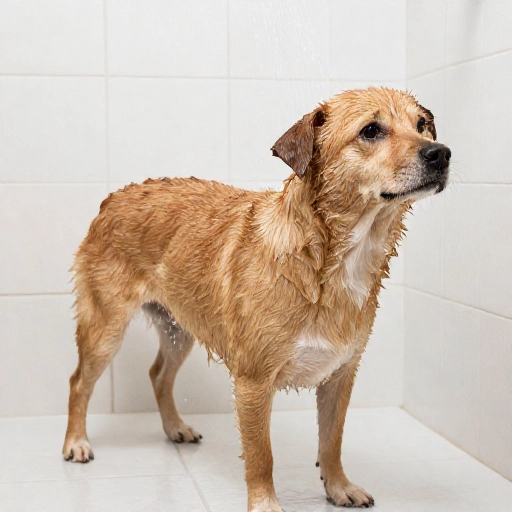
The water should run completely clear before you turn off the showerhead. You’ll feel the difference—a fully rinsed coat feels slippery when wet, but not soapy. If you run your fingers through the fur and feel any tension or squeakiness, that’s leftover residue.
To make this easier, use a detachable showerhead or a large plastic cup. Pour water slowly, pressing the fur down with your free hand to help the water penetrate the undercoat. This extra minute saves you from weeks of your dog scratching at their back and ruining your furniture.
5. The Towel Trick: Blot, Don’t Rub
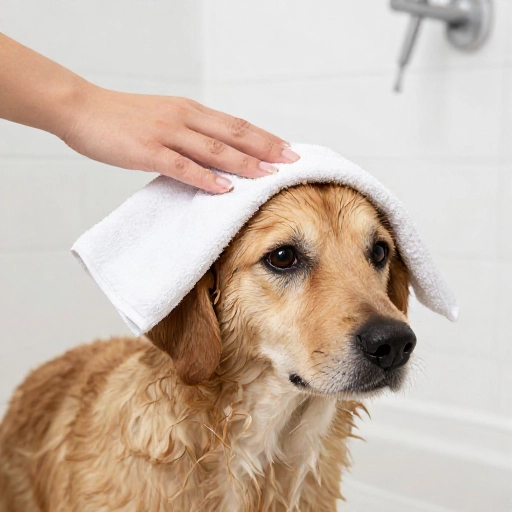
When the bath is over, the natural instinct is to grab a towel and rub your dog like a windshield. Stop! Rubbing creates friction, which causes tangles and breaks the hair shafts, leading to frizz and flyaways. The correct method is to blot and squeeze.
Lay a large, absorbent microfiber towel flat over their back and press down firmly. Squeeze the towel around their legs and chest. This pulls the moisture out of the coat without damaging the hair structure.
If you have a heavy-coated dog, invest in a high-velocity dryer or a special dog-safe blow dryer. But if you’re on a budget, the “towel change” method is key. Use one towel, squeeze, then swap to a dry one and repeat. You want to get them about 70% dry before you even think about letting them run around the house.
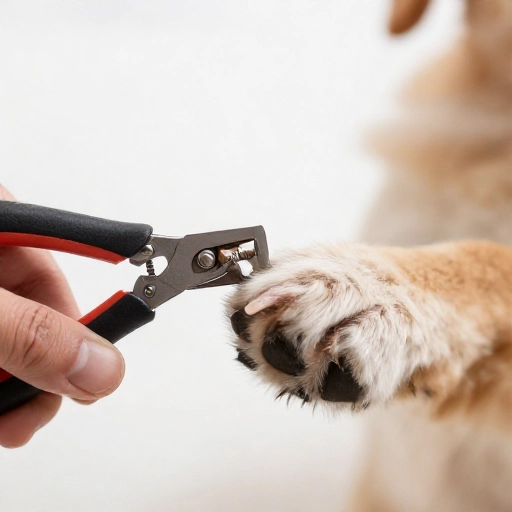
6. Don’t Forget the “Puppy Paws” (Nail Trimming 101)
Nail trimming is the scariest part for most pet parents, and I get it. Nobody wants to hit the “quick” (that pink vein inside the nail) and cause a bloody mess. But keeping nails short is vital for their paw health and posture. Long nails can splay their toes and cause arthritis.
If you have a dog with white nails, you can see the pink quick easily. With black nails, take tiny slivers off the tip and look at the cross-section. When you see a small dark dot in the center, stop—you’re at the quick.
Here’s a secret: do one nail a day if that’s all they can handle. There’s no rule that says you have to do all four paws in one sitting. Pair it with a high-value treat, like a piece of cheese or hot dog, and your dog will soon be begging for manicure time instead of hiding under the bed.
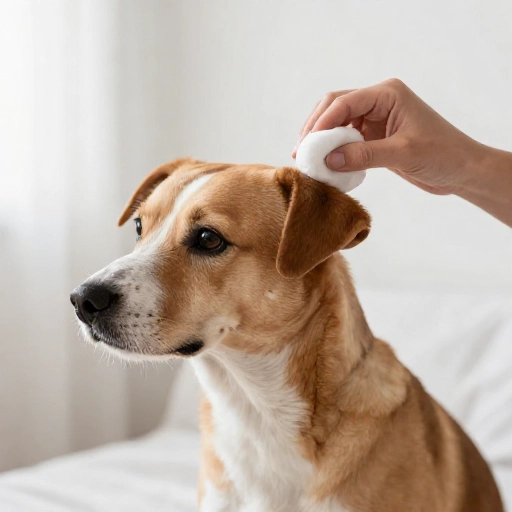
7. Ear Cleaning: The Cotton Ball Method
Never, and I repeat, never stick a cotton swab (Q-tip) inside your dog’s ear. You’ll push the wax deeper and risk puncturing the eardrum. The safe way is to use a cotton ball or a soft gauze pad with a vet-approved ear cleaner.
Fill the ear canal with the cleaning solution, gently massage the base of the ear for about 30 seconds (you’ll hear a squishing sound—that’s normal!), and then let your dog shake their head. It’s gross, but it works. The shaking brings all the gunk to the surface.
After they shake, wipe the inside of the ear flap and the visible crevices with the cotton ball. Only clean what you can see. If you notice a strong, yeasty odor, dark brown discharge, or redness, skip the grooming and call your vet. That’s an infection, not just dirty ears.
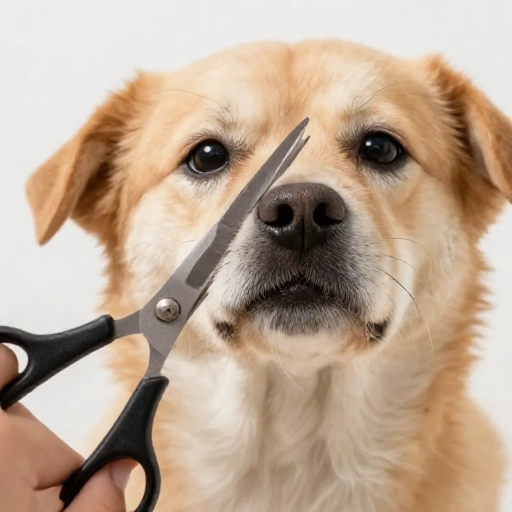
8. The “Face Frame” Trim (Scissor Safety)
Facial hair grows fast, and it’s the first thing to get messy with food and drool. Trimming the face doesn’t require clippers—just a pair of blunt-tipped grooming shears and a steady hand. The key is to keep the scissors parallel to their skin, never pointing towards their eyes.
For the eyebrows, use your thumb to gently push the hair up, then snip in a straight line across the top. For the beard, comb the hair down and trim it level with the jawline. Always cut with the hair growth, not against it.
If your dog gets wiggly, don’t fight it. Put them on a table and hold their muzzle gently with your free hand. Do a few snips, give a treat, and let them breathe. A stressed dog is a dangerous dog to have scissors near. Patience is your best tool here.
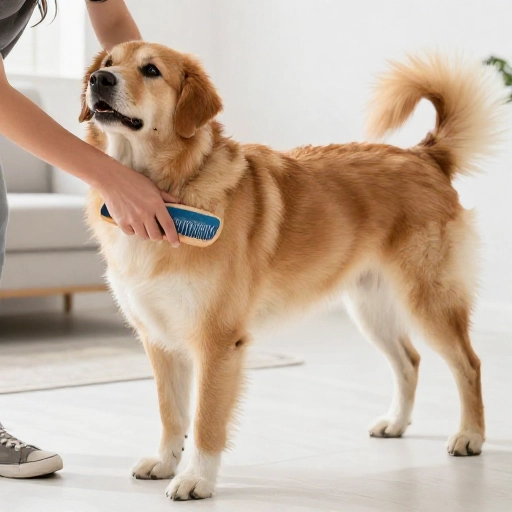
9. The High-Traffic Pant Leg Trick
This is the hack that saves me from sweeping the floor ten times a day. After the bath, when your dog is mostly dry, take a grooming glove or a damp rubber mitt and run it over their body in one direction. This picks up all the loose, dead hair that the brush missed.
This is especially important for double-coated breeds like Huskies or Labs. They “blow” their coats twice a year, and you need to get that dead undercoat out or it will trap heat and cause skin irritation. The rubber mitt pulls it right out without scratching the skin.
Make this a weekly habit, not just a post-bath chore. Ten minutes of rubber-mitt grooming on the patio is the best way to keep your house hair-free. Plus, dogs love the massage sensation, so it’s an easy way to bond while keeping your floors clean.
10. Know When to Call in the Pros
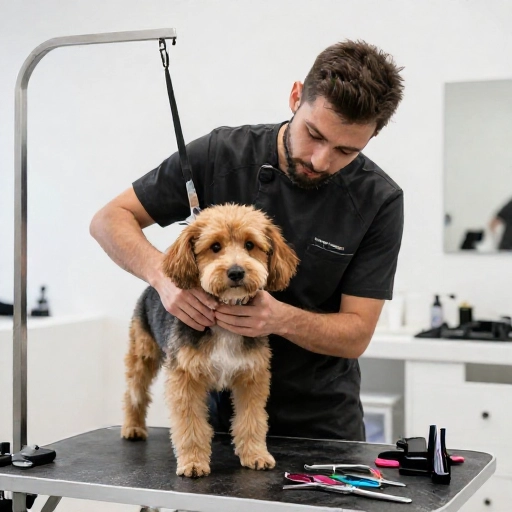
This is the most important “tip” of all. Grooming at home is wonderful for maintenance, but it’s not a replacement for a professional when it comes to certain things. If your dog has severely matted fur that’s tight to the skin, a professional groomer has the tools and the training to shave it off safely without cutting the skin.
Also, if your dog is extremely anxious, aggressive during grooming, or if you’re facing a situation like a skunk spray, don’t feel bad about outsourcing the job. A professional has the experience and equipment (like a restraint loop and high-powered dryers) to handle tough situations safely.
Think of your at-home sessions as the “spa maintenance” and the pro visits as the “deep reset” every 6-8 weeks. This combo keeps your dog comfortable, your wallet happy, and your relationship stress-free. Knowing your limits is the ultimate sign of a responsible pet parent.
Final Thoughts: Make It a Love Language
Grooming isn’t just about vanity—it’s a health check. Every time you run your hands over your dog’s coat, you’re checking for lumps, bumps, ticks, and hot spots. You’re building a foundation of trust that makes vet visits less scary and your bond unbreakable.
Start slow, use lots of treats, and celebrate the small wins. If you only manage to brush one leg today, that’s okay. Tomorrow, you’ll do two. Before you know it, your dog will be running to the bathroom when they hear the brush come out of the drawer. That’s the real success story.
Frequently Asked Questions
How often should I actually bathe my dog?
It depends on their coat and lifestyle. Generally, every 4-6 weeks is plenty for most dogs. Over-bathing strips natural oils. If they get dirty in between, use waterless shampoo or a quick rinse. For dogs with skin conditions, follow your vet’s specific advice.
My dog hates the blow dryer. What’s the alternative?
Air drying is fine for short-haired breeds, but it can lead to fungus and matting in long-haired dogs. If they hate the dryer, do the towel-blot method and then let them air dry in a warm room, brushing them every 5 minutes to prevent tangles from forming.
Is it okay to use human conditioner on my dog?
No, please don’t. Human conditioners have a different pH and can be too heavy for dog fur, leading to buildup and a greasy look. Use a canine-specific conditioner or a leave-in detangling spray, which is lighter and formulated for their skin barrier.
What’s the best way to deal with a dog that bites during nail trims?
Start by desensitizing them to the clippers. Let them sniff it, touch it to their paw, and reward them. Do one nail, then stop. Use a lick mat smeared with peanut butter to distract them. If they still bite, it’s a sign of pain or anxiety—consult a professional trainer or vet for sedatives.
How do I stop my dog from shaking water everywhere after a bath?
You can’t stop a shake—it’s a reflex! But you can minimize the mess. After blotting, cover them with a lightweight towel and gently hold them against you. The pressure signals them to settle. Or, just do it in the bathroom with the door closed and wipe down the walls—that’s the reality of dog ownership!