12 Indoor Potty Areas For Dogs You Can Build Fast
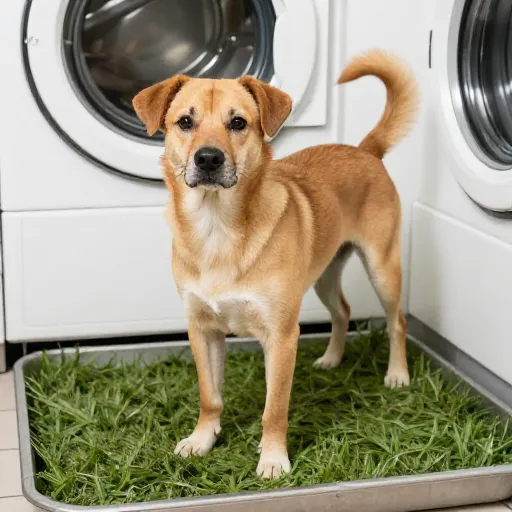
Let’s be real—sometimes the weather doesn’t cooperate, or you live in an apartment where getting outside every few hours just isn’t possible. I’ve been there. You want your dog to be happy and comfortable, but you also don’t want to ruin your floors.
The good news? You don’t need a contractor or a ton of money to create a functional indoor potty spot. I’ve gathered 12 ideas that are quick to set up, easy to clean, and actually look decent in your home. Most of these can be built in under an hour.
Whether you have a tiny puppy, a senior dog, or just need a backup plan for rainy days, there’s something here for you. Let’s dive in.
1. The Boot Tray Patch
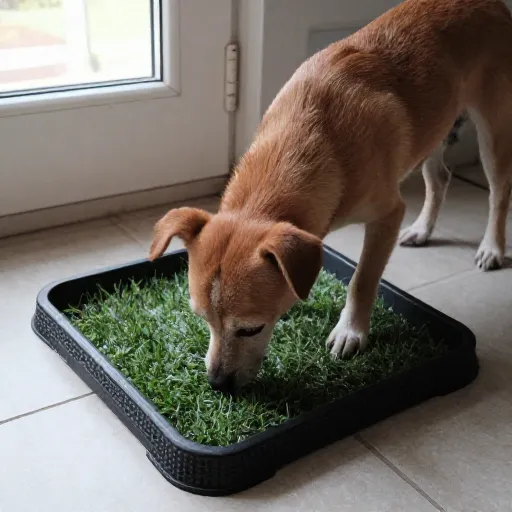
This is my go-to for small spaces. Grab a large, low-sided boot tray (the kind you put wet shoes on) and line it with fake grass or washable potty pads. The tray catches any mess or spills, keeping your floor safe.
I like this option because it’s portable. You can slide it under a table or in a corner when not in use. Cleanup is as simple as hosing off the tray or swapping the pad.
Make sure the tray has a raised edge—at least an inch high. It prevents accidents from seeping onto your floor. For extra stability, place a rubber mat underneath so it doesn’t slide around.
2. The Storage Bin Grass Pad
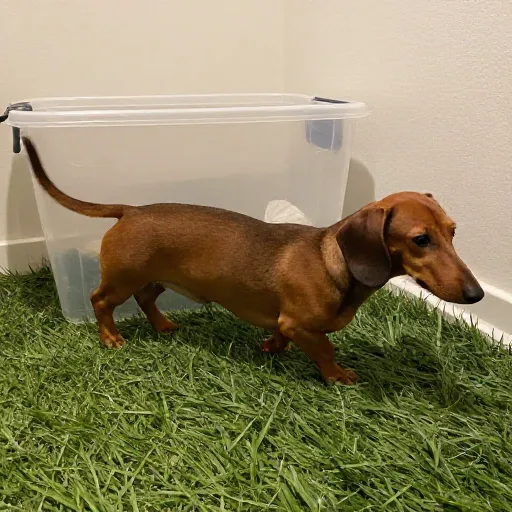
Head to any home store and pick up a low plastic storage bin—think under-bed size or a bit larger. Cut a piece of artificial grass to fit snugly inside. That’s it.
The bin acts as a contained area. The grass feels real under their paws, and the plastic is easy to wipe down. I recommend drilling a few small drainage holes in the bottom and placing a second tray underneath if you want to rinse it.
This setup is super stable. Dogs won’t tip it over, and it’s light enough to move around if needed. Plus, it doesn’t scream “dog potty” from across the room.
3. The DIY Pee Post
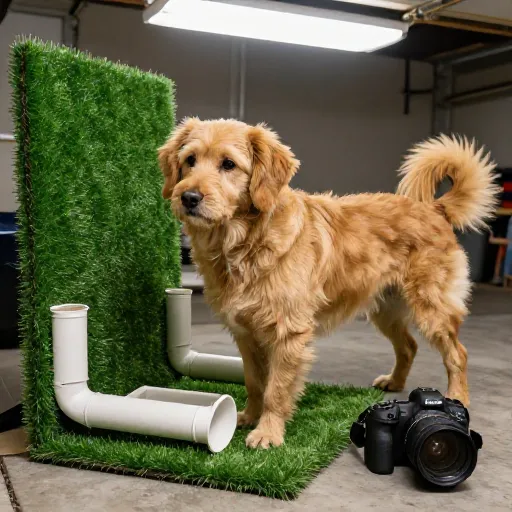
Perfect for male dogs who love to lift a leg. Get a wooden post or a thick PVC pipe, mount it on a sturdy base (like a square of plywood), and place it inside a large litter box or boot tray.
Wrap the post in absorbent material—old towels or washable pads work great. Secure them with zip ties or velcro so you can swap them out. Your dog gets to mark his spot, and you don’t have to worry about him aiming at your furniture.
I’ve seen people add a small patch of fake grass around the base. It makes the whole thing feel more natural. Just keep the post low enough that splashing stays contained.
4. The Plastic Tablecloth Setup
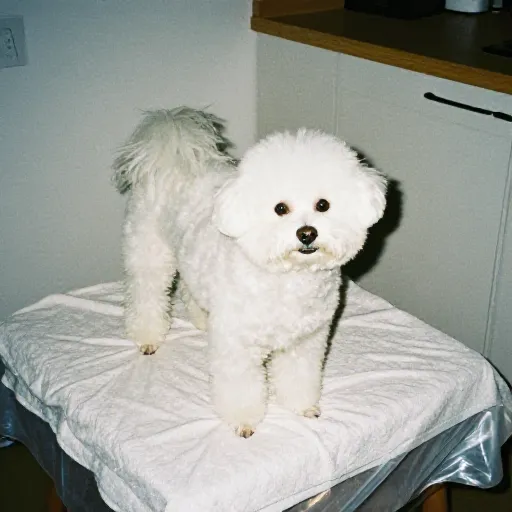
This is the budget-friendly champion. Lay down a large plastic tablecloth (the flannel-backed ones are best) and cover it with a layer of pee pads or newspaper. Tape the edges down so nothing shifts.
When it’s dirty, just roll it up and toss it. Lay down a fresh one. The plastic back prevents liquids from reaching your floor, even if the pads leak a little.
I use this in a pinch or when traveling with my dog. It takes two minutes to set up. For a more permanent version, use a vinyl floor runner instead of a tablecloth—it’s thicker and lasts longer.
5. The Crate Pan Trick
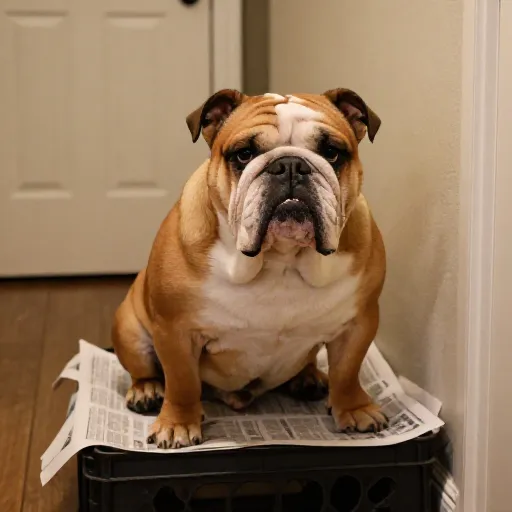
You know those plastic pans that go under wire crates? Grab one of those. They’re durable, have raised edges, and are the perfect size for a small dog area. Line it with a pad or a piece of turf.
These pans are designed to catch accidents anyway, so they work beautifully as a standalone potty spot. They’re also super easy to clean—just spray with a hose or wipe with a disinfectant.
I like that they’re unobtrusive. They usually come in black or gray, which blends into most rooms. Slide it into a corner of the laundry room or mudroom, and you’re done.
6. The High-Sided Litter Box
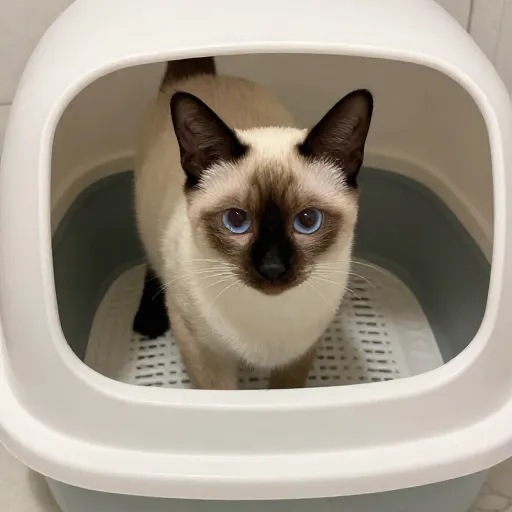
This is a game-changer for dogs who are messy or kick up litter. Get an extra-large, high-sided cat litter box (the kind for big cats). Fill it with a thin layer of pine pellets or use a washable pad inside.
The high walls contain all the mess. No splashing on the walls, no kicked-out pellets. It’s especially great for small to medium dogs who need a defined space.
I recommend using a box with a smooth interior. It’s easier to rinse out. You can even repurpose an old storage tote by cutting a low entrance on one side. Cheap and effective.
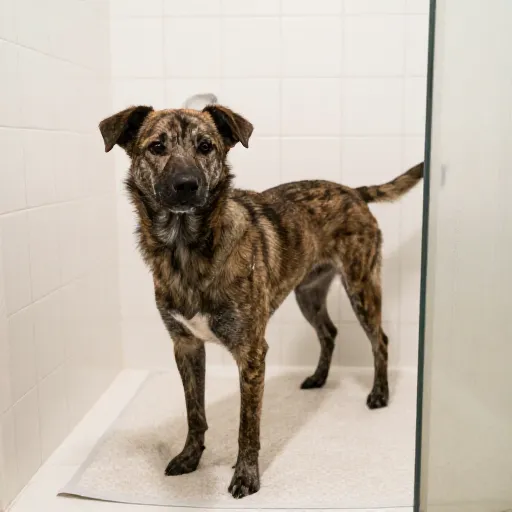
7. The Shower Stall Solution
If you have a walk-in shower you rarely use, this is genius. Simply lay a pee pad or a small patch of grass inside the shower. The tile floor is waterproof, and you can just spray everything down.
No need to build anything. No trays to buy. It’s already in your home. The enclosed space also gives your dog privacy, which some pups actually prefer.
Just make sure the drain is clear and the floor isn’t slippery. A rubber mat underneath the pad helps with traction. This has saved me on so many rainy days.
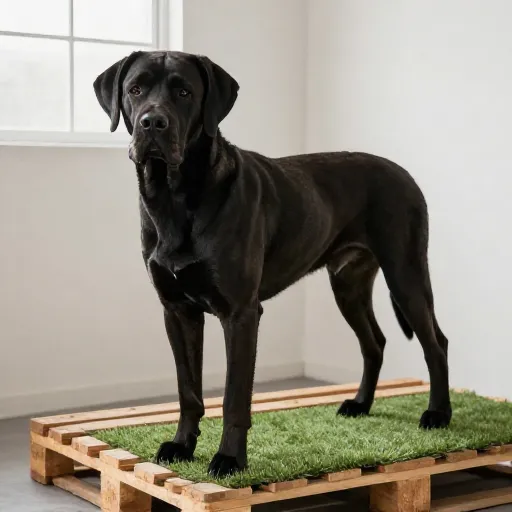
8. The Pallet Platform
Grab a small wooden pallet (the smaller craft kind, not the massive shipping ones). Sand it smooth so there are no splinters. Place a plastic tray underneath it, and put fake grass on top.
The pallet lifts the grass off the ground, allowing urine to drain through and collect in the tray below. This keeps your dog’s paws drier and reduces odors. Just lift the grass and rinse the tray every few days.
I like this because it feels like a real piece of furniture. You can even paint the pallet to match your decor. It’s sturdy enough for medium breeds and looks intentional.
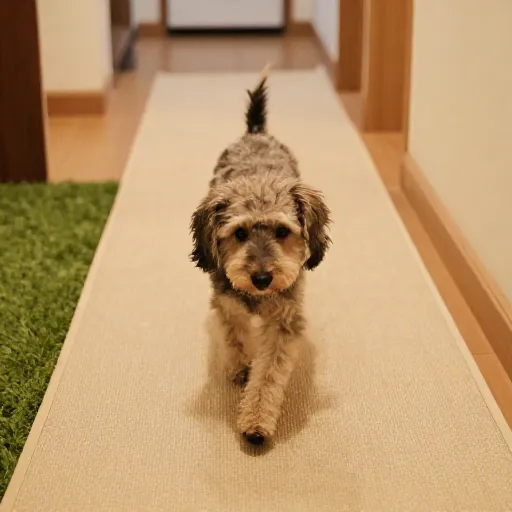
9. The Washable Runner Setup
Buy a long, washable indoor-outdoor runner rug. Place it in a hallway or near a door. On top of it, put a smaller waterproof mat with a pee pad or turf. The runner protects your floor from spills.
When the top mat gets dirty, just toss it in the wash. The runner stays clean underneath. This is ideal if you want a path for your dog to walk on, with the potty area at one end.
I use a runner with a rubber backing so it doesn’t slip. The whole setup takes about five minutes to arrange. It feels less like a “potty corner” and more like normal home decor.
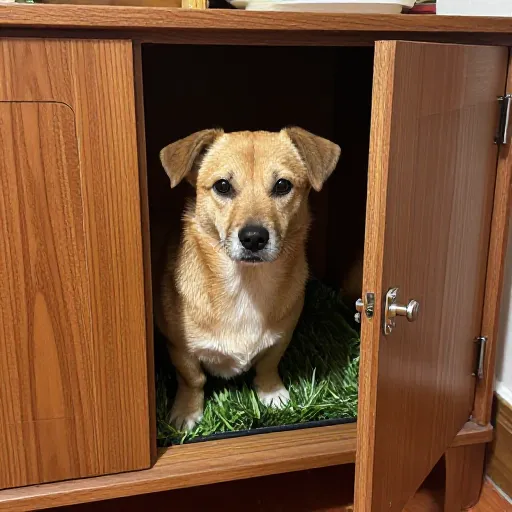
10. The Cabinet Hideaway
If you have an unused cabinet or a piece of furniture with a large lower compartment, turn it into a hidden potty spot. Remove the door or keep it open. Place a tray with grass or pads inside.
This keeps the mess out of sight. Your dog has a private, den-like space. Just make sure the cabinet is easy to clean—line it with a plastic sheet or a large tray first.
I love this for small homes where you don’t want the potty area to be a focal point. Your dog gets a cozy spot, and you get a clean-looking room. Win-win.
11. The Concrete Mixing Tray
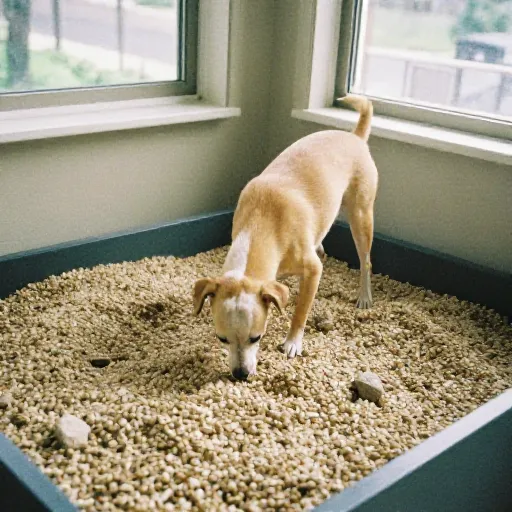
Head to a hardware store and pick up a large concrete mixing tray. They’re cheap, super durable, and have high, sloped sides. Fill it with a thick layer of pine shavings or use a large pad.
The sloped sides make it easy for dogs to step in and out. The tray itself is tough enough to withstand scratching. You can hose it down outside or just wipe it with a cloth.
This is my pick for heavy-duty use. It’s not the prettiest, but it works like a charm. Tuck it into a utility room or garage entry, and you’ll forget it’s there.
12. The Repurposed Sandbox
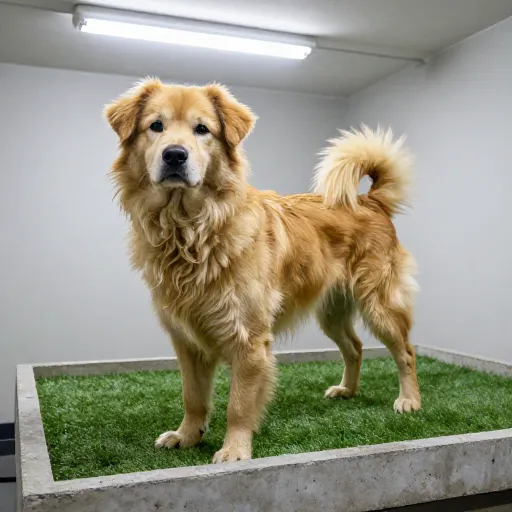
Got an old kiddie sandbox? Paint it, line it with a plastic sheet, and fill it with artificial grass or a thick layer of washable pads. It’s already built to contain messes.
These sandboxes are usually large, so they’re great for bigger dogs or multiple dogs. The low walls are easy for seniors to step over. Plus, they look cute if you pick a neutral color.
I’ve seen people add a small canopy or umbrella over one for outdoor use, but indoors, it’s perfect as-is. Just add a mat underneath for extra floor protection.
Conclusion
Building an indoor potty area doesn’t have to be complicated or expensive. Most of these ideas use things you probably already have at home. The key is finding what fits your space and your dog’s habits.
Start with the simplest option and tweak it as you go. Your dog will let you know if they’re comfortable. And remember—keeping it clean is what makes it last. A quick daily rinse or pad swap makes all the difference.
I hope one of these ideas helps you and your pup feel more at ease indoors. Happy building!
FAQ
How do I train my dog to use an indoor potty area?
Start by placing them in the area after meals or naps. Use a command like “go potty” and reward them when they use it. Be patient and consistent. Dogs learn fast when they get treats and praise.
How often should I clean the indoor potty spot?
At least once a day. If you use pads, change them when wet. For grass or trays, rinse with water and a mild cleaner daily. A clean spot encourages your dog to keep using it.
Can I use real grass indoors?
Yes, but it’s harder to maintain. Real grass needs sunlight, water, and drainage. It will die without proper care. Fake grass or pads are much easier for indoor use and last longer.
What if my dog refuses to use the indoor potty?
Try a different surface. Some dogs prefer grass, others like pads. Move the spot closer to where they already go. Also, make sure the area is quiet and not too close to their food or bed.
How do I control the smell?
Use an enzyme cleaner to break down odors. Ventilate the room. For trays with grass, sprinkle baking soda under the grass before putting it in place. Swap pads or rinse trays frequently.