15 Outdoor Dog Fence Ideas That Actually Last (And Won’t Break the Bank)
Let’s be real for a second. If you have a dog, you know the struggle. You want to give them the freedom to run, sniff, and do their little happy zoomies without you having to stand outside in the rain holding a leash. But buying a fence? That can get crazy expensive, fast.
I’ve been through it myself. My pup, a rescue with a serious prey drive, managed to squeeze through, jump over, and even dig under every cheap barrier I tried. After a few frustrating (and expensive) failures, I started researching what actually works. Turns out, durability isn’t about spending the most money—it’s about choosing the right material for your specific dog and your yard’s layout.
In this post, I’m sharing 15 outdoor dog fence ideas that are built to last. These aren’t just flimsy temporary setups. These are real, practical solutions that will keep your furry escape artist safe and sound for years to come. Let’s dig in!
1. The Classic Cedar Picket Fence
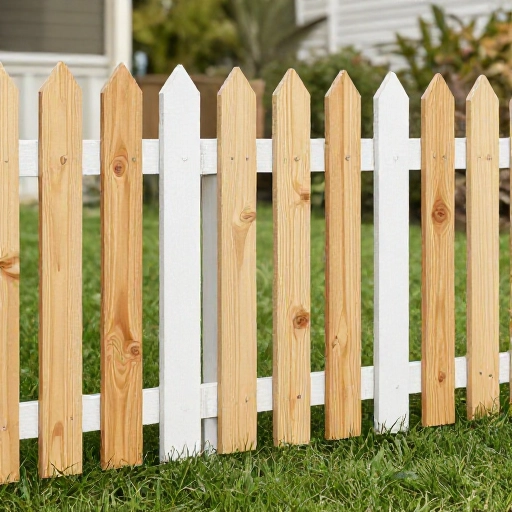
If you want a fence that looks beautiful and stands strong, you can’t go wrong with cedar. It’s naturally resistant to rot and insects, which makes it a top-tier choice for outdoor spaces. Unlike pine, cedar doesn’t warp easily in harsh sun or heavy rain.
I love this option because you can space the pickets close together to prevent smaller dogs from squeezing through. It gives your yard a classic, warm look that feels very “homey.” Plus, if a section ever gets chewed up, it’s easy to replace just one board.
You’ll want to stain or seal it every couple of years to keep that rich color, but honestly, the longevity is worth the little bit of upkeep.
2. Heavy-Duty Chain Link with Privacy Slats
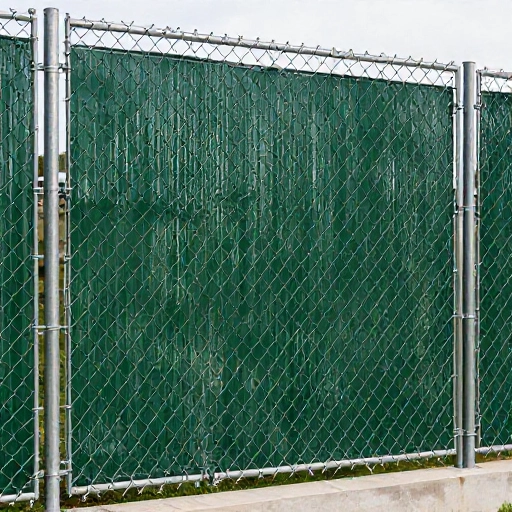
Chain link is a budget hero, but it’s not always pretty. The secret to making it last and look decent is adding privacy slats. These woven slats block your dog’s view, which reduces barking at passing cars or squirrels, and they also block the wind.
For durability, look for galvanized steel mesh. It won’t rust like the cheaper vinyl-coated options do over time. I recommend going with a taller height, like 6 feet, because chain link is incredibly easy for agile dogs to climb if they get a good foothold.
This is a super practical idea if you have a large area to enclose and want to stay within a reasonable budget.
3. The DIY Pallet Fence Upcycle
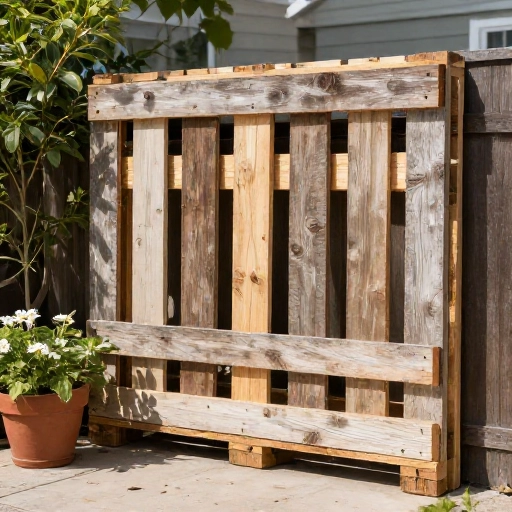
This is for the crafty folks out there. Wood pallets are often free and surprisingly sturdy. If you can find heat-treated pallets (look for the “HT” stamp), you can create a rustic, charming fence without spending a dime on materials.
You’ll want to sand them down to avoid splinters and secure them firmly with metal brackets. Because pallets have gaps, you’ll need to either stack them tightly or attach a wire mesh to the inside to keep tiny noses out.
It’s a labor of love, but the satisfaction of building a fence from scratch is unbeatable. Just make sure to anchor them well into the ground so they don’t topple over in a strong gust of wind.
4. Invisible Electric Wire (The Underground Option)
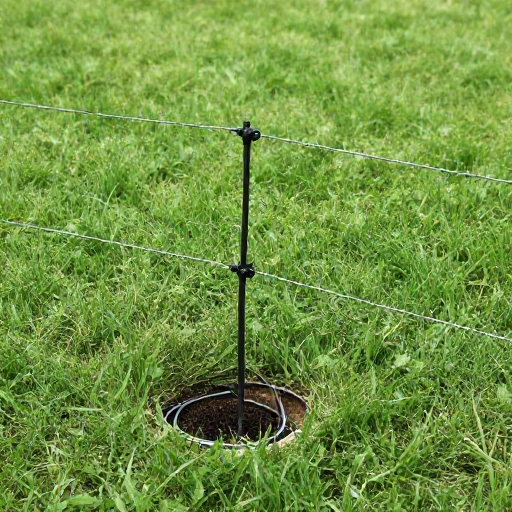
Okay, this isn’t a physical fence, but it is a game-changer for dogs who are diggers. You bury a wire around your property line and connect it to a transmitter. Your dog wears a collar that gives a warning beep and a mild static correction if they cross the boundary.
This is the most durable option because there is literally nothing for your dog to break. It’s completely invisible, so it won’t ruin your landscaping or block your view. I use this in my front yard to keep my dog away from the road.
However, I must stress that this requires proper training. It’s not a set-and-forget solution. You have to teach your dog where the boundary is with flags first. It’s also not great for dogs with high prey drive who might blow through the correction to chase a rabbit.
5. Aluminum Fence Panels (Zero Maintenance)
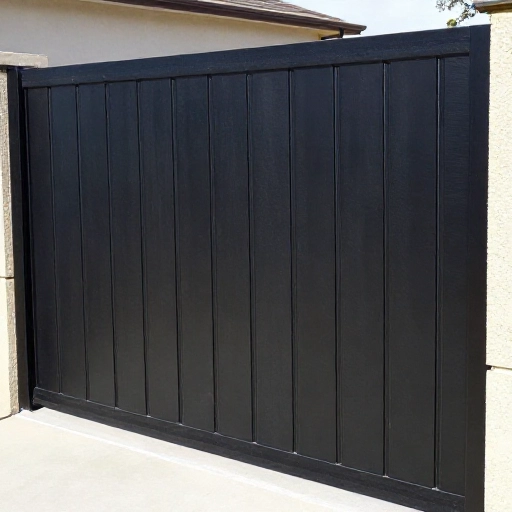
If you hate painting and staining, aluminum is your best friend. This material is incredibly lightweight but stronger than steel. It never rusts, never needs repainting, and handles extreme weather like a champ.
These fences usually come in decorative styles, like the classic wrought-iron look, but without the weight. You can get them with very narrow spacing to keep even the smallest Chihuahua safe inside.
It is more expensive upfront, but the “set it and forget it” nature makes it a great long-term investment. You literally just hose it down once a year.
6. The Concrete-Bottom Dig-Proof Fence
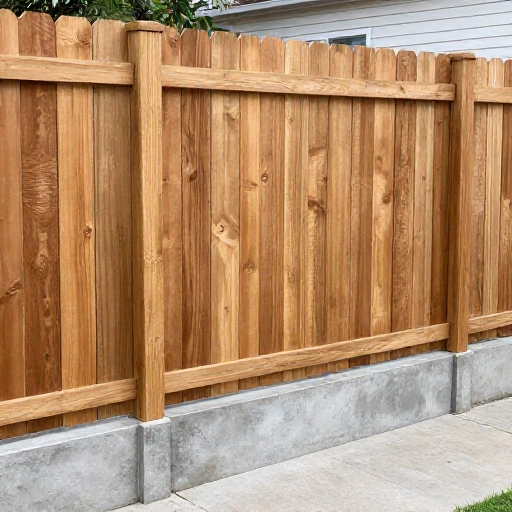
Does your dog dig like he’s looking for buried treasure? Then you need to think below the surface. This idea involves pouring a small concrete footer, about 12 inches deep, along the bottom of your fence line.
You can build any type of fence on top of this concrete base. It creates an impenetrable barrier that stops digging in its tracks. It also prevents weeds from growing up against the fence, which is a nice bonus.
This is a bit more labor-intensive, but if you have a determined digger, this is the only thing that will truly stop them. It also helps anchor the fence posts, making the entire structure stronger in high winds.
7. Vinyl Fence with a Solid Panel
Vinyl has come a long way. It’s a plastic material that won’t rot, splinter, or fade. For dogs, I highly recommend the solid privacy panels rather than the semi-transparent ones. A solid panel means your dog can’t see the mailman, which cuts down on territorial barking.
Vinyl is super easy to clean—just spray it with a hose. It’s also very strong and flexible, so it can take a running dog slam without cracking. It doesn’t need any painting or staining.
Just be aware that extreme cold can make vinyl brittle. If you live in the frozen tundra, make sure you buy high-impact vinyl rated for cold climates.
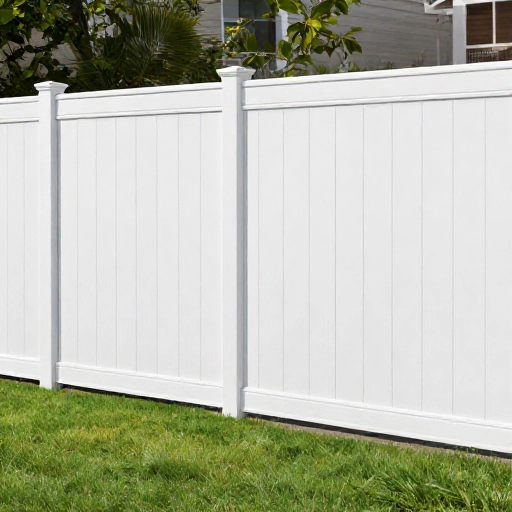
8. Wide Wooden Board-On-Board Fence
This is the classic “dog can’t see out” fence. Board-on-board means the vertical boards overlap each other. This creates a solid wall that is both beautiful and functional. It offers total privacy and noise reduction.
I like this because it’s much sturdier than a standard picket fence. The overlapping structure adds strength, so it won’t wobble when your dog leans against it. It’s a great option for both front and back yards.
To make it last, use rot-resistant wood like cedar or redwood, and make sure the posts are set in concrete. This is a timeless look that adds value to your home.
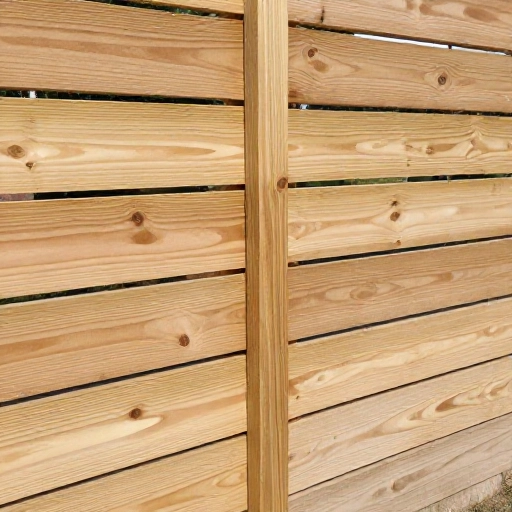
9. The Modern Cattle Panel Fence
This is a farmhouse-style hack that is super durable and affordable. Cattle panels are large, heavy-gauge wire panels used for livestock. You attach them to sturdy T-posts or wooden posts.
They are incredibly strong and can hold up to a huge dog throwing their full weight against them. The gaps are big enough for your dog to see through, which some dogs prefer. It gives a very rustic, countryside vibe to your yard.
One tip: get the taller panels (usually 60 inches). They are hard to climb and even harder to bend. This is a quick install that will last decades if the wire is galvanized.
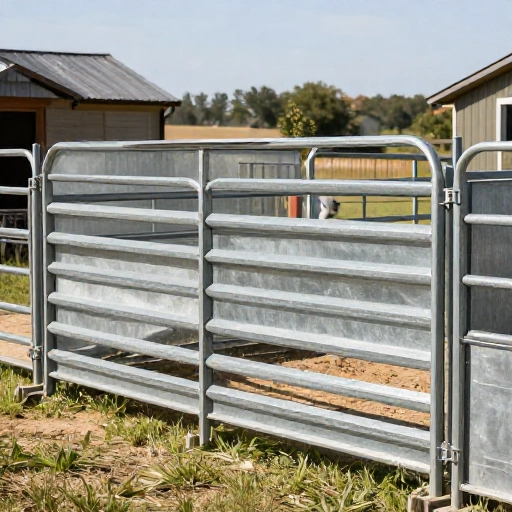
10. Gabion Fence (Wire Cages with Rocks)
If you want a fence that is literally impenetrable and looks like a piece of art, this is it. Gabion fences are made of wire mesh cages filled with rocks or stones. They are heavy, soundproof, and completely dig-proof.
This is a high-end, architectural choice. It looks stunning in modern landscapes. You can use local river rock or recycled concrete to keep costs down. The wire basket needs to be galvanized or PVC coated to prevent rusting.
This is a permanent installation. You won’t be moving it next year. But if you want a fence that will outlive your dog and probably you, this is the one.
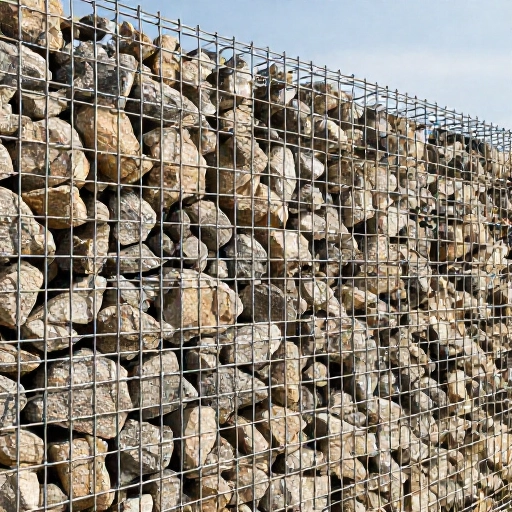
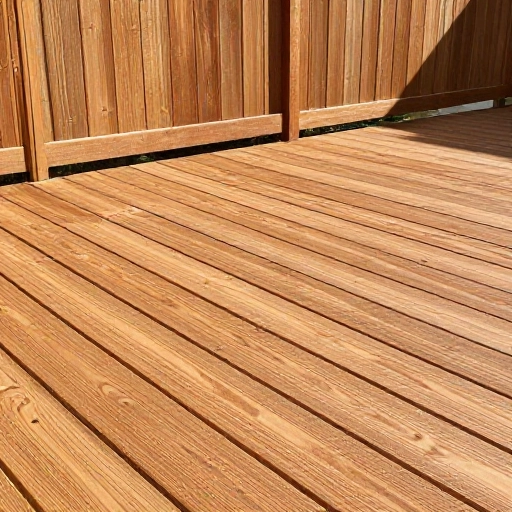
11. Composite Decking Fence Boards
You know those composite boards used for decks? You can use them for fences too! This material is made from wood fibers and recycled plastic. It looks like wood but requires zero maintenance.
It won’t rot, crack, or splinter, making it perfect for dogs who like to chew. It’s also very heavy and solid, so it blocks noise well. You can install them horizontally for a modern look or vertically for a classic one.
It is pricier than regular wood, but the longevity is unmatched. You will never have to stain or seal it. It is the ultimate “buy it once” fence.
12. The L-Shaped Footer (The Digging Deterrent)
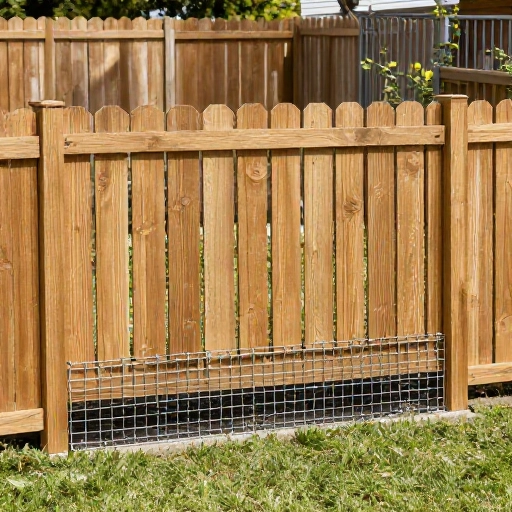
Here is a clever trick that works with any fence. Instead of digging a trench for concrete, you attach a wire mesh “apron” to the bottom of your fence and lay it flat on the ground, extending outward into your yard.
You then cover this wire with mulch, gravel, or sod. When your dog digs down, they hit the wire, which stops them. Because the wire extends away from the fence, they can’t just dig right at the base to get under.
This is much easier to install than a full concrete footer. It’s a cheap fix that saves you from having a dirt-filled, escape-prone yard.
13. Bamboo Roll Fence
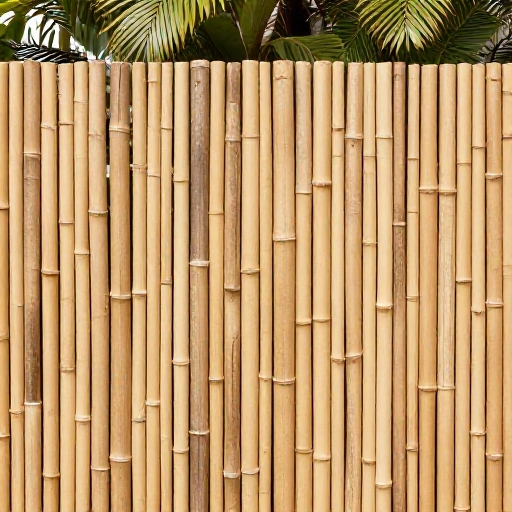
Bamboo is a sustainable, fast-growing grass that makes a gorgeous fence. You can buy it in rolls and attach it to a simple wooden frame. It gives a zen, tropical feel to your outdoor space.
It is very dense, which provides excellent privacy. It blocks the wind and muffles sound. Your dog won’t be able to see through it, which helps keep them calm.
The downside is that bamboo is organic, so it needs to be sealed to withstand moisture and sun. If you treat it well, it can last 5-10 years, which is decent for such an affordable option.
14. Powder-Coated Steel Mesh Panels
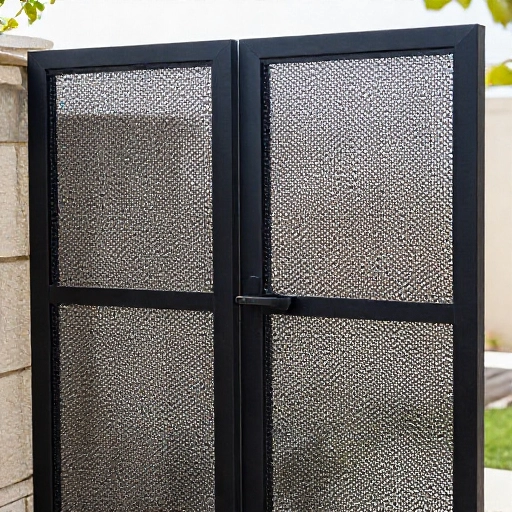
These are the fences you see at dog daycare facilities. They are made of heavy-duty steel rods welded into a grid. The powder coating is baked on, making it resistant to scratches and rust.
This is a very clean, modern look. It’s incredibly strong and allows for maximum airflow and visibility. Your dog can see the whole neighborhood, which some owners love.
These panels are usually modular, so you can configure them to fit tricky slopes or corners. They are easy to clean and look brand new for years. It’s a professional-grade solution for your home.
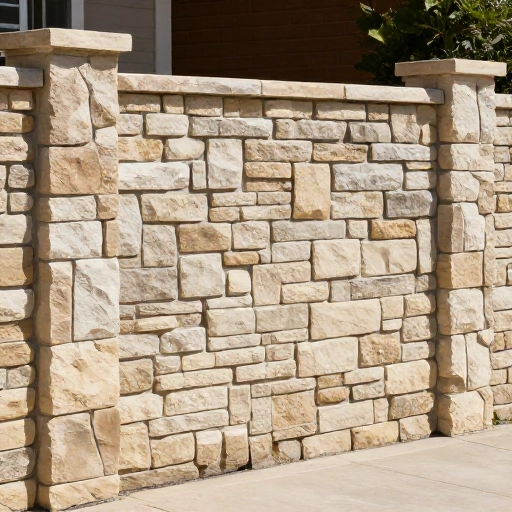
15. The “Sight Line” Solid Stone Wall
If you have a small yard and a big budget, a stone wall is the pinnacle of durability. This is a hardscape feature that adds massive value to your property. It is completely soundproof, windproof, and escape-proof.
You can use dry-stack stone blocks (which don’t require mortar) for a DIY-friendly weekend project, or hire a mason for a mortared wall. The dry-stack option is more affordable and still incredibly sturdy.
This is the last fence you will ever buy. It looks stunning with any landscaping and provides a safe, quiet sanctuary for your pup.
Final Thoughts on Picking the Right Fence
Choosing the right fence is all about balancing your budget, your aesthetic, and your dog’s personality. There is no one-size-fits-all answer. Look at your dog first—are they a jumper, a digger, or a chewer? Then look at your yard—is it flat, sloped, or full of trees?
My biggest piece of advice is to invest in the foundation. The posts and the base are what make a fence last. The material on top is just the pretty face. If you set your posts deep in concrete and address the digging issue early, you’ll save yourself a ton of headaches down the road.
Take your time, measure twice, and get the right tools. Your dog will thank you with endless hours of happy, safe playtime in their new yard.
Frequently Asked Questions
1. What is the most dog-proof fence material?
For sheer durability, solid concrete or stone walls are the most dog-proof. In terms of manufactured materials, heavy-duty galvanized steel or aluminum are excellent because they can’t be chewed through and won’t rust.
2. How deep should I bury a fence to stop my dog from digging?
You should bury the bottom of the fence at least 12 to 18 inches deep. Alternatively, you can lay a wire mesh apron flat on the ground extending outward 12 inches from the fence, which is often more effective and easier to install.
3. What is the cheapest fence that will last?
Galvanized chain link is the cheapest durable option. If you want wood, a simple dog-eared pine fence is affordable, but it won’t last as long as cedar unless you treat it meticulously.
4. Is a wooden or vinyl fence better for dogs?
Vinyl is better for dogs that chew or scratch, as it doesn’t splinter. Wood is better for dogs that like to climb, as it’s harder to get a grip on a smooth board. Wood also tends to be cheaper to repair if a single panel is damaged.
5. How do I keep my dog from jumping over the fence?
You can make the fence taller (at least 6 feet). You can also add an angled extension at the top (like a “coyote roller” or an inward-facing L-bracket) to make it impossible for them to get a foothold to jump over.