15 Smart DIY Cat House Ideas for Small Spaces
Living in a small apartment with a cat can feel like a constant puzzle. You want your furry friend to have all the cozy spots they need, but you also don’t want your living room to look like a cat playground exploded. I’ve been there, stepping over scratching posts and tripping over cat beds, wondering if it’s possible to have both a stylish home and a happy kitty.
The good news? It totally is. With a little creativity and some simple DIY projects, you can create amazing spaces for your cat that blend right into your home. These aren’t just cat houses; they’re clever solutions that save space, look great, and give your cat the vertical territory they naturally crave. I’ve rounded up fifteen of my favorite ideas that work wonders in tight quarters.
Whether you’re a renter who can’t drill big holes in the wall or a homeowner looking for a fun weekend project, there’s something here for you. Let’s get started on making your small space work double duty for both you and your feline friend.
1. The Under-Bed Storage Hideaway
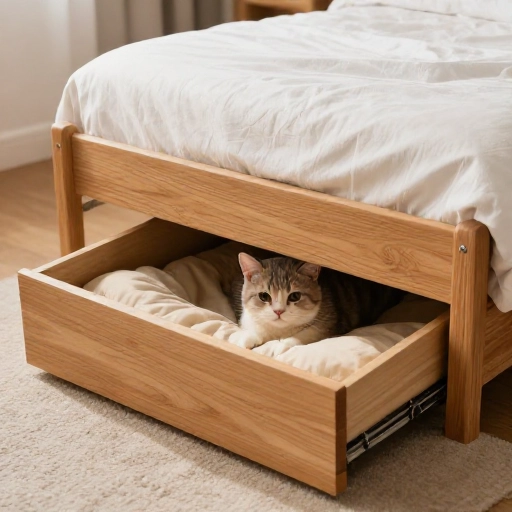
That space under your bed is usually wasted, but it’s prime real estate for a cat. I love this idea because it uses space you already have without taking up any floor room. Grab a low, wide storage bin and cut a hole in the side for an entrance. Add a soft cushion or an old sweatshirt inside, and you’ve got a private den that’s perfect for shy cats.
To make it extra inviting, attach a small piece of carpet or sisal rope to the outside of the bin near the entrance. Your cat can scratch there before sliding in for a nap. It’s a win-win: your cat gets a dark, quiet cave, and you get to declutter your under-bed storage at the same time.
Just make sure the bin is sturdy enough not to collapse when your cat jumps on top of it. You might even add a second bin next to it for a tunnel effect, which cats absolutely love.
2. The Window Sill Cat Shelf
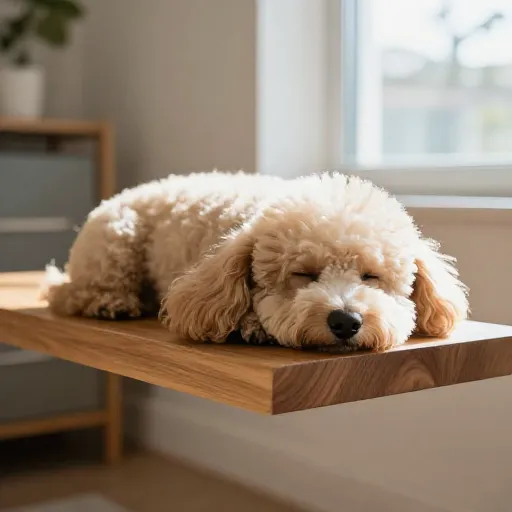
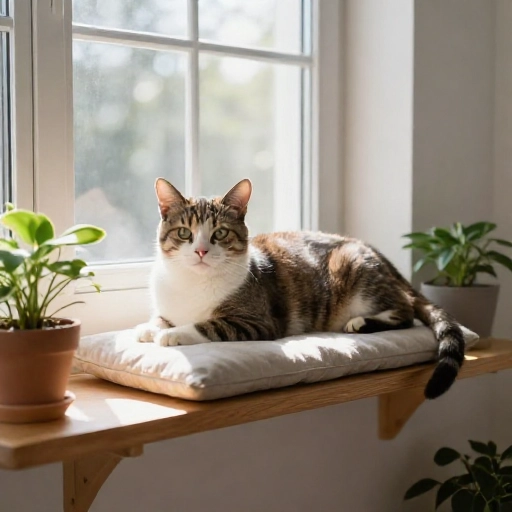
Cats are natural sunbathers, and a window sill is their favorite spot. If your sills are too narrow, you can fix that with a simple wooden shelf. I installed a sturdy shelf right below my window, making sure it’s level and properly anchored into the studs. Then I added a cozy fleece blanket on top.
This project took me less than an hour and cost under twenty dollars. The key is to use a shelf bracket that can support your cat’s weight, which is usually around ten to fifteen pounds. You’ll also want to make sure the shelf is deep enough for your cat to turn around comfortably.
The best part? It gives your cat a front-row seat to all the bird and squirrel action outside. It’s their own little TV station, and it keeps them entertained for hours without taking up any floor space.
3. The Repurposed Ladder Cat Tower
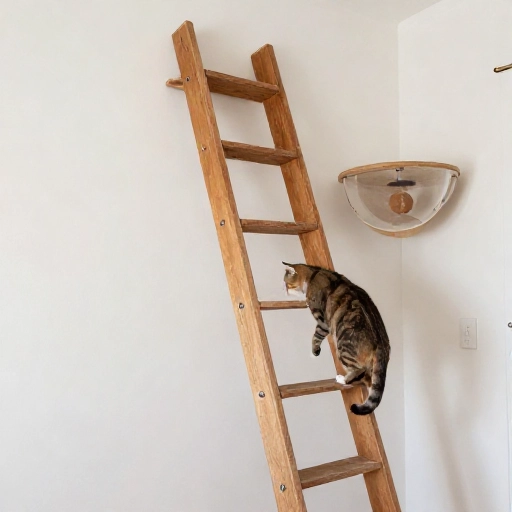
Before you toss out that old wooden ladder, think about turning it into a cat playground. I found an old wooden ladder at a thrift store and leaned it against the wall at a safe angle. Then I attached small wooden planks between the rungs to create little platforms for my cat to lounge on.
This is perfect for small spaces because it has a tiny footprint. The ladder takes up almost no floor space, but it gives your cat multiple levels to climb and perch on. I wrapped some of the rungs with sisal rope for scratching, which saved my furniture from becoming a scratching target.
You can also hang a small toy or a feather from the top rung to add an interactive element. It’s rustic, charming, and your cat will love having their own vertical territory.
4. The Over-the-Door Cat Condo
Doors are usually wasted space in small homes, but they can actually be super useful. I used an over-the-door organizer with deep pockets and placed small, flat cushions in each pocket. My cats love hopping into the lower pockets and peeking out from the middle ones.
This is a great rental-friendly option because there are no holes to patch when you move out. The organizer hangs right over the door and can be folded up and stored away when you don’t need it. It’s also a fun way to give your cat a multi-level space without any permanent fixtures.
You’ll want to use a strong organizer with a metal frame to make sure it holds up. I also added a small catnip toy in one of the pockets to encourage my cat to explore the vertical space.
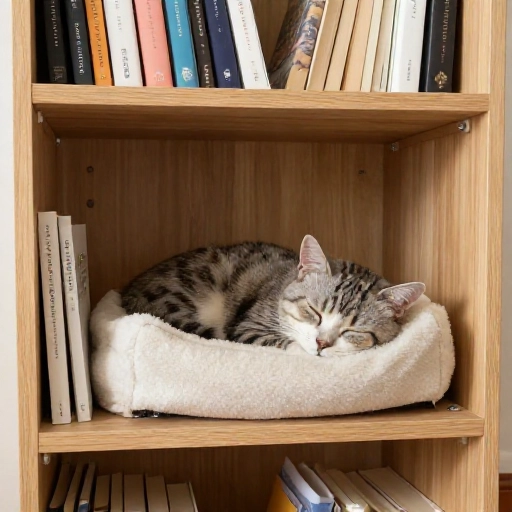
5. The Bookshelf Cat Hideaway
I turned an old bookshelf into the ultimate cat condo. I removed one of the shelves and cut a hole in the remaining shelf to create a two-story cat tower. The bottom space became a cozy cave, and the top became a sunny perch with a view of the room.
This project is all about repurposing furniture you already own. You can paint it to match your decor or leave it as is for a rustic look. I added a soft blanket in the lower compartment and a cushion on the top shelf, and my cat immediately claimed it as her own.
The beauty of this is that you still get storage on the other shelves. You can keep books or decorative items on the top shelves while your cat uses the designated spots. It’s furniture that works for both of you.
6. The Simple Cardboard Box Castle
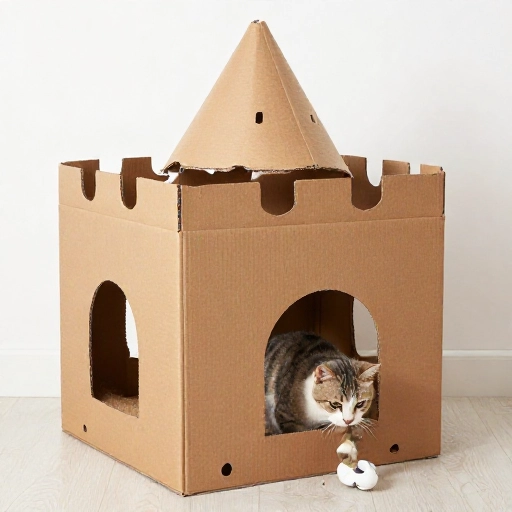
I know it sounds basic, but cats really do love cardboard boxes. Instead of just leaving a box on the floor, I made a little castle. I took three boxes of different sizes and taped them together, cutting archways between them so my cat could travel from one to the other.
This is a zero-cost project if you have boxes lying around. You can decorate them with fabric, wrapping paper, or even markers to make them look intentional. I covered mine in a cute fabric using fabric glue, and it looked surprisingly stylish.
When the boxes get worn out, you just recycle them and build a new one. It’s the perfect solution for a cat that loves to scratch and dig, and it takes up minimal space in a corner or under a table.
7. The Floating Wall Shelves
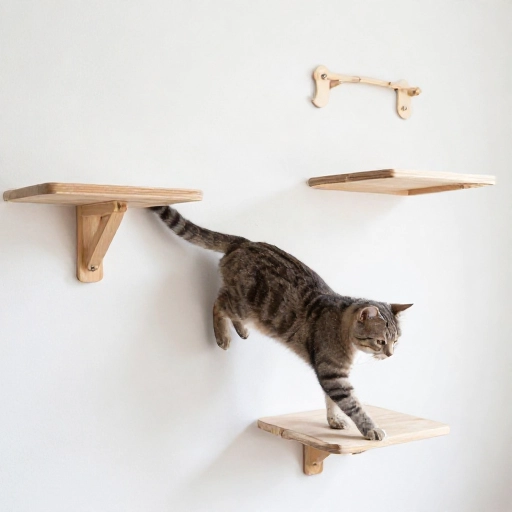
Floating shelves are a game-changer for small spaces. I installed a set of three staggered shelves on an empty wall, creating a stair-step effect. My cat can now jump from the floor to the first shelf, then to the second, and finally to the third, which is right next to my bookshelf.
These shelves give your cat a high vantage point to survey their kingdom. I added small non-slip mats to each shelf so my cat feels secure when she jumps up. Make sure to check the weight limit and install them into wall studs for safety.
This is also a beautiful way to add visual interest to a blank wall. You can place a small plant or a photo frame on one of the higher shelves that your cat can’t reach, blending functionality with decor.
8. The DIY Cat Hammock
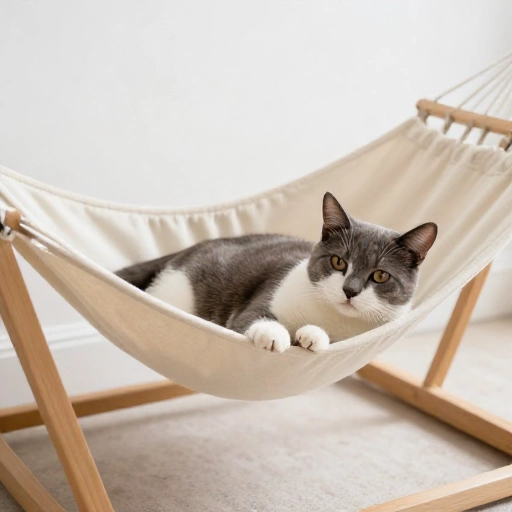
A cat hammock is the perfect space-saving solution because it hangs from a window or a table, taking up zero floor space. I made mine using a piece of sturdy fabric and four heavy-duty suction cups. I attached the suction cups to my large living room window, and it’s been a hit ever since.
You can also hang a hammock under a sturdy table or desk. Just attach the fabric to the table legs with strong carabiners or hooks. It creates a cozy, swinging bed that cats absolutely love.
For a window hammock, make sure the suction cups are rated for the weight. I check mine every couple of weeks to make sure they’re still secure. It’s a fun project that takes ten minutes and costs very little.
9. The Corner Cat Perch
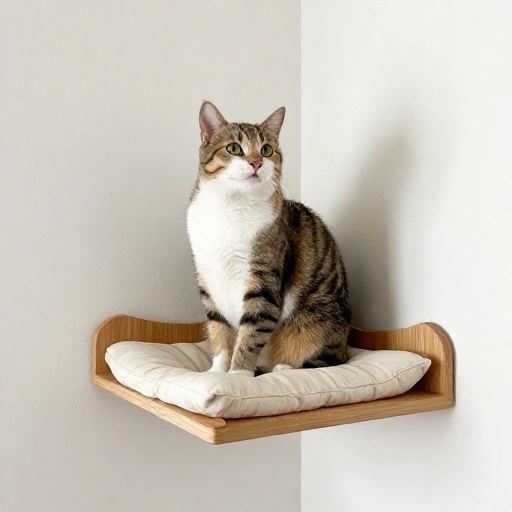
Corners are often ignored in small spaces, but they’re perfect for a cat perch. I built a simple corner shelf that fits snugly into the corner of my bedroom. It uses a corner bracket and a triangular piece of wood, and it fits perfectly without taking up any floor space.
This is a great spot for a cat who likes to watch the room without being in the middle of the action. I added a soft cushion and placed it near the window so my cat can enjoy the breeze and the view. It’s like a little observation deck just for her.
The corner perch also works well in bathrooms or even in a closet if you leave the door slightly open. It’s a hidden gem that your cat will discover and love.
10. The Under-Table Hideout
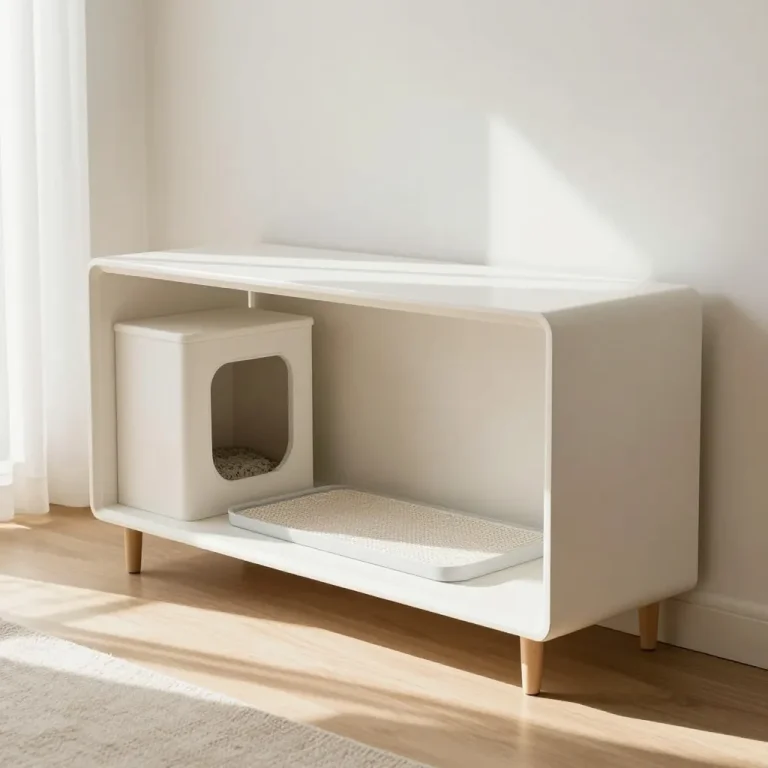
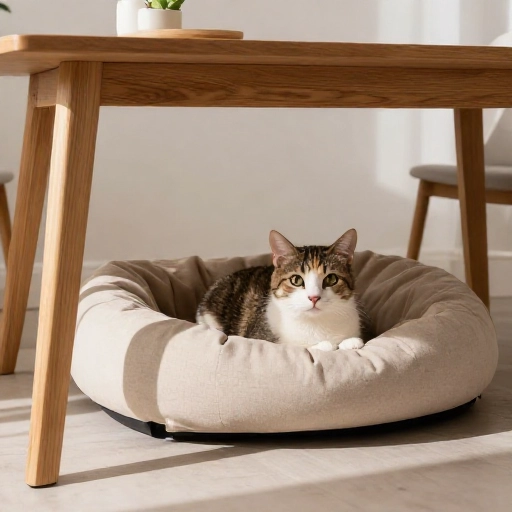
If you have a desk or a console table, the space underneath is perfect for a cat house. I repurposed an old side table by wrapping the legs with sisal rope and placing a cozy pet bed underneath. The table provides a roof, and the legs become a scratching post.
This idea is brilliant because it uses space that’s usually just a void. Your cat gets a safe, covered spot to nap, and you get a functional table on top. I placed a small bowl of water in one corner, and it became my cat’s favorite corner of the house.
You can even hang a small toy from the underside of the table to give your cat something to bat at while they lounge. It’s a clever way to add a cat feature without adding visual clutter.
11. The Laundry Basket Cat Cave
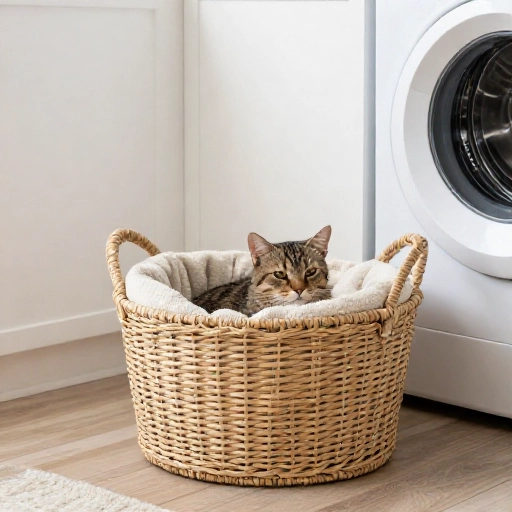
I discovered that cats love the feeling of being nestled in a basket. I took a sturdy wire laundry basket and turned it upside down, cutting a circular hole in the side. Then I placed a soft, round cushion inside. The result is a rustic, airy cat cave that looks like it belongs in a farmhouse.
This is a super cheap and quick project. You can leave the basket as is or spray paint it to match your decor. I added a little blanket on top so my cat can also lounge on the roof of the basket, giving her two spots in one.
The open wire design means there’s plenty of airflow, so it’s great for warmer climates. It’s also lightweight, so you can move it from room to room easily.
12. The Wall-Mounted Cat Tunnel
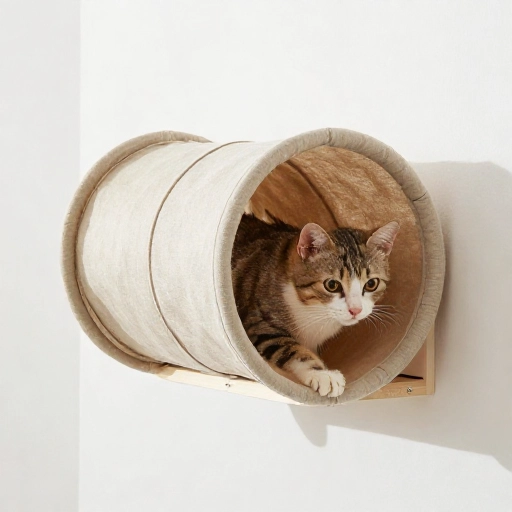
Turning a standard cat tunnel into a wall-mounted feature is a fun and unique idea. I used a flexible tunnel and attached it to the wall with zip ties and hooks, creating a horizontal run along my hallway. My cat loves to run through it and hide inside.
This is a fantastic way to use narrow hallways or awkward vertical spaces. The tunnel gives your cat a sense of adventure and exploration, turning a boring hallway into a fun obstacle course. I added a few holes in the tunnel for my cat to poke her paws out of.
Make sure the hooks are strong and the tunnel is securely attached. This project is a bit more involved, but the payoff is huge for your cat’s entertainment. It’s a real conversation starter when guests come over, too.
13. The Ottoman Cat Bed
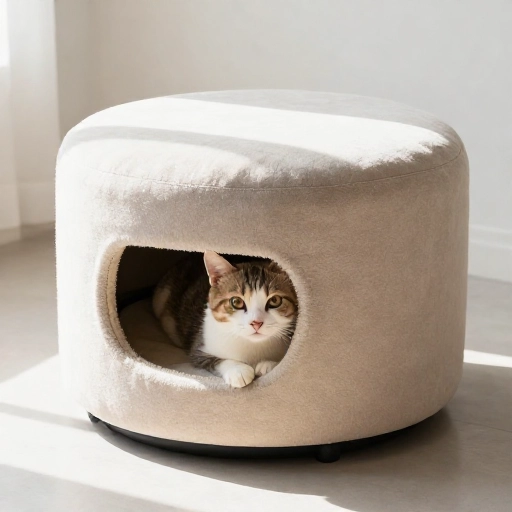
I turned an old, hollow ottoman into a secret cat hideaway. I cut a hole in the side of the ottoman and placed a cozy cushion inside. On top, I put a tray with a candle and a small plant, making it look like a regular piece of furniture. My cat can go in and out through the side hole without anyone noticing.
This is the ultimate space-saving hack because the ottoman serves dual purposes. It gives you a footrest and storage space on the inside, while also providing a hidden den for your cat. I keep an old blanket inside for my cat to snuggle with.
If you’re handy, you can build the ottoman frame yourself. Otherwise, repurposing an old storage ottoman is the easiest route. It’s a stylish way to give your cat privacy without sacrificing your living room aesthetic.
14. The DIY Cat Wall Planter
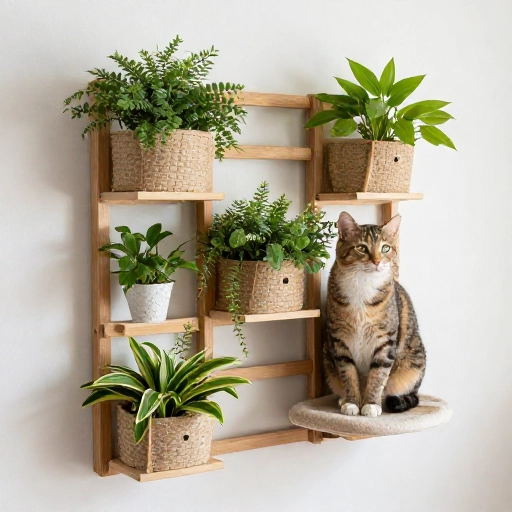
This idea combines my love for plants with my cat’s love for heights. I mounted a few sturdy wooden planter boxes on the wall, but instead of planting flowers, I filled them with soft cushions. The boxes create little ledges that my cat can jump onto and lounge in.
I painted the boxes to match my wall color so they blend in seamlessly. The key is to make sure the boxes are deep enough for your cat to sit comfortably. I also used the top of the boxes to hold small, cat-safe plants like cat grass, creating a green and functional wall feature.
This is a beautiful way to bring nature indoors while giving your cat a vertical playground. It’s a bit more work to install, but the result is a stunning, custom cat wall that saves floor space.
15. The Armoire Cat Closet
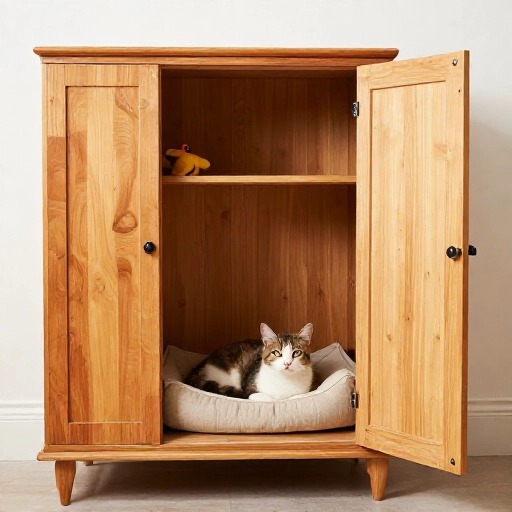
I found an old, small armoire at a garage sale and turned it into a luxurious cat closet. I removed the doors and added a few shelves at different heights. Inside, I placed a soft bed on the bottom shelf and a perch on the top shelf. I also hung a small toy from the top of the armoire.
This project gives your cat a multi-level home that looks like a piece of furniture. The enclosed sides make your cat feel safe and secure, while the open front allows them to watch the room. I placed a scratching pad on one of the shelves to keep their claws healthy.
It takes up a bit of floor space, but it completely replaces the need for multiple cat items. It’s an all-in-one cat house that’s both functional and charming, and it’s perfect for a cat that loves to climb and hide.
Final Thoughts on Small Space Cat Houses
Creating a cat house in a small space is all about thinking vertically and using what you already have. You don’t need a huge budget or a big apartment to make your cat happy. A little creativity can turn forgotten corners, empty walls, and old furniture into your cat’s favorite spots.
I’ve found that my cats appreciate these homemade spaces much more than anything I’ve bought from the store. There’s something special about making a space just for them. It’s also a fun way to bond with your cat as they explore their new hideaway.
Remember to prioritize safety in all your DIY projects. Make sure everything is securely anchored and that there are no sharp edges or loose parts. With a little effort, you can create a cat-friendly home that’s stylish, functional, and perfect for small living.
Frequently Asked Questions
1. What is the best material for a DIY cat house?
Cardboard is great for temporary houses, but for something more durable, I recommend using wood or sturdy plastic. For the interior, use soft fleece or faux fur that’s easy to wash. Always avoid materials with small parts that could be swallowed.
2. How do I get my cat to use a new cat house?
Start by placing a familiar item inside, like your cat’s favorite blanket or a piece of your clothing. You can also sprinkle some catnip inside to attract them. Patience is key—don’t force your cat in, let them discover it on their own.
3. Are wall-mounted cat shelves safe for all cats?
Yes, as long as you install them correctly. Always mount them into wall studs and use heavy-duty brackets. Check the weight limit of the shelf and make sure it’s well above your cat’s weight. It’s also good to provide a safe path for your cat to jump down.
4. How can I make a cat house for free?
Use cardboard boxes! They are the easiest and most budget-friendly option. You can also repurpose old furniture like side tables, drawers, or suitcases. Look around your home for items you no longer use and give them a second life as a cat house.
5. How do I clean a DIY cat house?
Most removable cushions and blankets can be thrown in the washing machine. For wooden or plastic parts, wipe them down with a pet-safe cleaner. Cardboard houses are harder to clean, so you may need to replace them when they get dirty or worn.