Dog Feeding Guide by Age and Size Chart for Healthy Growth
Understanding Your Dog’s Nutritional Needs
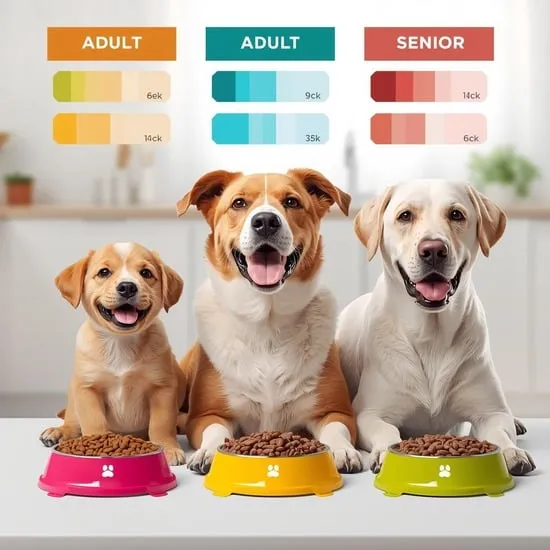
Feeding your dog properly is essential for their overall health and happiness. I’ve learned through experience that dogs of different ages and sizes require different nutrition. Puppies, adults, and seniors all have unique needs that influence their energy levels and growth.
Using a feeding guide by age and size can help you provide the right portions and nutrients. It makes daily feeding stress-free and ensures your dog stays at a healthy weight while getting all the vitamins and minerals they need.
Puppy Feeding Guidelines
Puppies grow quickly, so their diet should be rich in protein and essential nutrients. I found that feeding them smaller meals more frequently helps with digestion and energy levels. Overfeeding can lead to obesity and other health issues.
Refer to a puppy size chart to determine the correct portion for your pup. Adjust the feeding schedule as they grow, keeping in mind breed size and activity level to prevent under- or overfeeding.

Adult Dog Feeding Guidelines
Adult dogs need balanced meals to maintain healthy weight and energy. I switched to two meals per day for my dog and noticed better digestion and consistent energy levels. Portion control is key to prevent weight gain.
Use a size-based chart to know how much to feed. Factors like breed, activity level, and metabolism play a role. Monitoring weight and health regularly helps you adjust portions and maintain optimal wellbeing.

Senior Dog Feeding Guidelines
Older dogs require fewer calories but more nutrients that support joint health and immunity. I noticed my senior dog enjoyed smaller, nutrient-dense meals that kept him active without weight gain. Slow metabolism needs consideration.
Feeding charts for senior dogs help provide appropriate portions based on weight and activity. Adding supplements recommended by vets can improve their coat, mobility, and overall quality of life.

Adjusting for Size and Breed
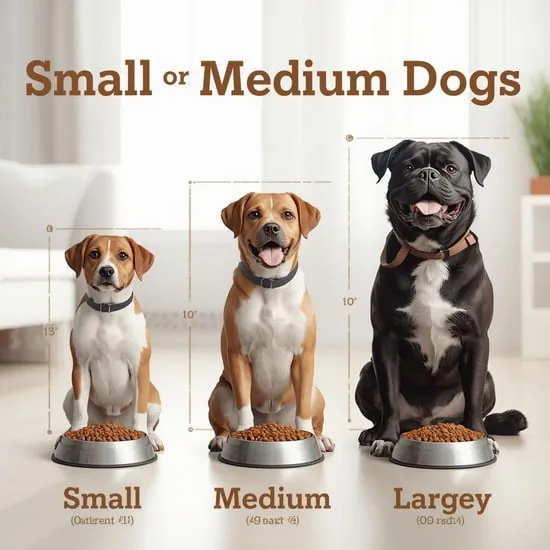
Size and breed make a big difference in feeding needs. Large breeds like Labradors need different portions than small breeds like Chihuahuas. I learned that referencing breed-specific charts keeps feeding accurate and prevents health issues.
Combining age-based and size-based charts ensures your dog gets precisely what they need. This approach keeps them healthy, prevents obesity, and supports growth and longevity throughout their life stages.
Practical Tips for Feeding
Consistency is crucial. I stick to a regular feeding schedule and measure portions carefully. Using feeding charts removes guesswork and ensures my dog receives the right nutrition every day.
Watch your dog’s weight and adjust meals as needed. Keep fresh water available and consider activity level when deciding portion sizes. Feeding by age and size keeps your furry friend healthy, happy, and thriving.