How to Manage Dog Barking in an Easy Way

If your dog barks at every little noise, you’re not alone. I’ve been there — standing at the window, apologizing to the neighbors, wondering why my quiet morning turned into a barking frenzy. The good news? You don’t need a professional trainer or expensive gadgets to make it better. A few simple changes can bring peace back to your home.
Barking is how dogs talk. They’re not trying to annoy you. They might be bored, scared, or just saying hello. The trick is to listen first, then act. Once you understand the “why,” the “how” becomes much easier. Let me walk you through the simplest ways I’ve found to manage barking without stress.
You don’t have to silence your dog completely. A quiet dog isn’t always a happy dog. But you can teach them when it’s okay to bark and when to settle. These ideas are practical, gentle, and they really work. Ready to feel in control again?
1. Figure Out Why Your Dog Barks
Before you fix anything, you need to know the reason. Is it the mailman? A squirrel? Boredom? Excitement? Each cause needs a different approach. I once spent a week trying to stop my dog’s barking at the door, only to realize she was bored. A quick walk fixed everything.
- Listen to the tone: sharp barks often mean alarm, while playful barks are higher.
- Watch the body: stiff tail might mean fear, wagging means excitement.
- Keep a simple log for two days. You’ll spot patterns fast.
Once you know the trigger, you can choose the right solution. It’s like solving a little puzzle, and your dog is giving you all the clues.

2. Give Them More Exercise
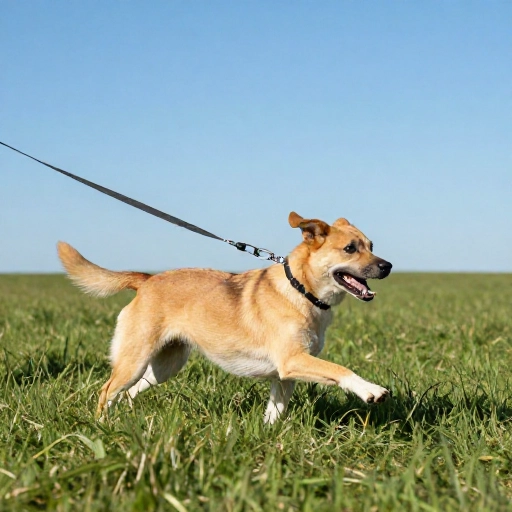
This is the easiest fix, and it works for almost every dog. A tired dog is a quiet dog. When my pup is full of energy, she barks at shadows. After a good run? She naps like a log.
- Add a 15-minute walk in the morning and evening.
- Try fetch or tug-of-war for a quick energy burn.
- If you’re busy, a puzzle toy can mentally tire them out.
Think of barking as a sign they need an outlet. Once you drain that energy, the barking often fades on its own. It’s not magic — it’s just meeting their basic needs.
3. Create a Quiet Space
Dogs bark when they feel overwhelmed. A crate with a soft blanket or a corner behind the couch can be their safe spot. My dog goes there when the doorbell rings. She knows it’s her calm zone.
- Put a bed in a low-traffic area of your home.
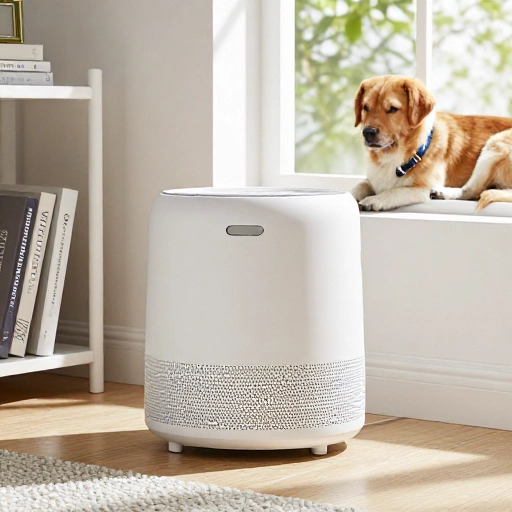
- Add a white noise machine or soft music to block outside sounds.
- Never use the space as punishment. It should feel like a treat.
When your dog learns to retreat to their quiet spot, barking drops fast. They feel secure, and you feel relieved. It’s a win-win for everyone.

4. Teach the “Quiet” Command
This one takes patience, but it’s worth it. Start when your dog barks. Say “quiet” in a calm voice. The second they stop — even for a breath — give a treat. Repeat until they connect the word with silence.
- Use a hand signal, like a raised palm, to help them understand.
- Start in a quiet room, then practice with small distractions.
- Keep sessions short: 5 minutes max, twice a day.
I was shocked how fast my dog picked this up. Within a week, she’d stop barking on command most of the time. It’s not perfect, but it’s a huge step forward.

5. Manage the View Out the Window
If your dog barks at passersby, the window is a giant TV for them. Close the curtains or use frosted window film. I put up cheap privacy film, and the barking at joggers stopped completely.
- Use blinds or sheer curtains to block visual triggers.
- Move furniture away from windows so they can’t perch.
- If you have a yard, consider a solid fence instead of chain link.
Out of sight often means out of mind. Your dog won’t bark at what they can’t see. This simple change can cut barking in half within days.

6. Use Positive Distractions
When your dog starts barking, redirect their attention to something better. A favorite toy, a chew bone, or a simple game of “find it” can shift their focus. I keep a stash of special treats near the door for this exact reason.
- Have a go-to toy that only comes out during barking moments.
- Practice “look at me” — reward eye contact instead of barking.
- Use a puzzle feeder when you expect triggers, like visitors.
Distractions work because they replace barking with a fun activity. Your dog learns that silence leads to good things. It’s gentle and builds a positive habit.

7. Stay Calm Yourself
Dogs pick up on your energy. If you yell or get frustrated, they think you’re barking too. I learned to take a deep breath before reacting. When I stay calm, my dog settles faster.
- Speak in a low, steady voice when asking for quiet.
- Avoid eye contact during barking — turn away instead.
- If you’re stressed, step into another room for a minute.
Your calmness is contagious. When you model peace, your dog follows. It’s not about being perfect — just about being the steady leader they need.

8. Block Noise Triggers
Some dogs bark at sounds they can’t see. The garbage truck, a neighbor’s dog, or even a dripping faucet. I use a fan or a white noise app on my phone. It drowns out the little noises that set her off.
- Leave a radio on low talk radio or classical music.
- Use earplugs designed for dogs (only for loud events like fireworks).
- Close windows during peak noise hours.
You don’t need a silent house. Just soften the sounds that trigger barking. Your dog will relax when the world feels less loud to them.
9. Don’t Punish the Bark
Shouting or scolding usually backfires. Your dog might bark more because they think you’re joining in. I tried this once — it only made things worse. Punishment creates fear, not understanding.
- Ignore attention-seeking barks completely (turn your back).
- Reward quiet moments instead of reacting to noise.
- Use time-outs only for excessive barking — calmly move them to another room.
Positive methods build trust. Your dog wants to please you, but they need to know what “good” looks like. Show them, don’t yell at them.

10. Be Consistent and Patient
Nothing changes overnight. I had to remind myself that barking is normal. Progress comes in small wins — a quieter morning, a calmer walk. Stick with one or two methods for at least two weeks before trying something new.
- Pick one trigger to focus on first, like the doorbell.
- Involve everyone in the house so rules are the same.
- Celebrate small improvements with extra treats and praise.
Your dog is learning, and so are you. Be kind to both of you. With time, the barking will fade, and your bond will grow stronger. That’s the real reward.

Conclusion
Managing dog barking doesn’t have to be a battle. It’s about understanding your dog, meeting their needs, and staying calm. Start with one small change today — maybe a longer walk or a quiet corner. You’ll be surprised how quickly things improve.
Remember, your dog isn’t barking to upset you. They’re just being a dog. With a little patience and these simple ideas, you can enjoy a quieter home and a happier pup. You’ve got this.
[[IMG:IMG12]]
Frequently Asked Questions
Why does my dog bark at nothing?
Dogs hear and smell things we can’t. They might be reacting to a distant sound or scent. If it happens often, try blocking noise triggers or giving them a calming activity.
How long does it take to stop barking?
It depends on the cause and consistency. Some dogs improve in a few days, others take weeks. Stick with one method for at least two weeks before judging results.
Will a bark collar help?
I don’t recommend them. They can cause fear and anxiety. Positive training is safer and builds a better relationship with your dog. Try other methods first.
Is it okay to let my dog bark sometimes?
Yes. Barking is natural. The goal isn’t silence, but control. Let them bark at the doorbell, but teach them to stop when you ask. Balance is key.
What if my dog barks when I leave?
This could be separation anxiety. Start with short departures and build up. Leave a stuffed toy or treat puzzle. If it’s severe, talk to a vet or trainer for extra support.