Winter Dog House That Keeps Your Pup Warm
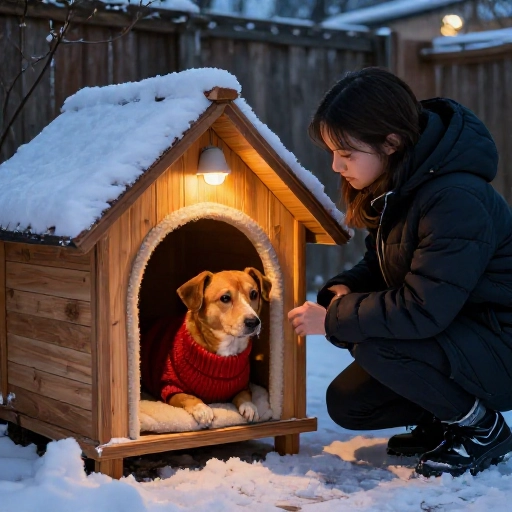
Winter can be rough on our furry friends. I used to think any old dog house would do, until I watched my pup shiver through a cold snap. That’s when I decided to make his outdoor shelter actually warm.
After a few tries and a lot of online digging, I found simple tricks that turn a basic dog house into a cozy winter retreat. No fancy gadgets required—just smart materials and a little planning.
Here are my favorite ideas for a winter dog house that keeps your pup warm, safe, and happy all season long.
Insulate the Walls and Floor Like a Pro
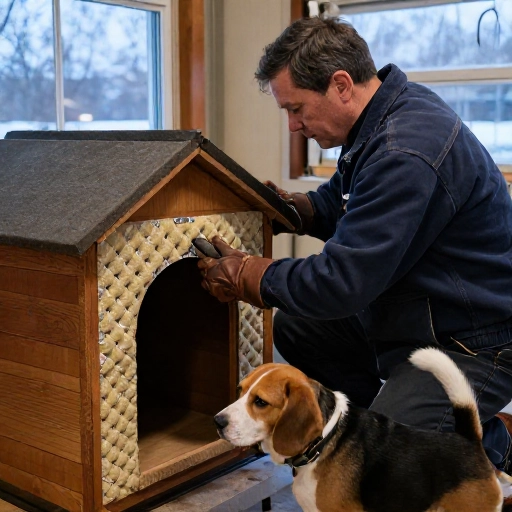
The first thing I did was add insulation. Without it, my dog’s body heat escaped through the walls in minutes.
I used foam board insulation cut to fit between the wall studs. Then I covered it with plywood so my dog couldn’t chew on the foam. For the floor, I laid down a layer of rigid foam before nailing the base together.
This one change made the biggest difference. The inside stays noticeably warmer, even on freezing nights.
Raise It Off the Cold Ground
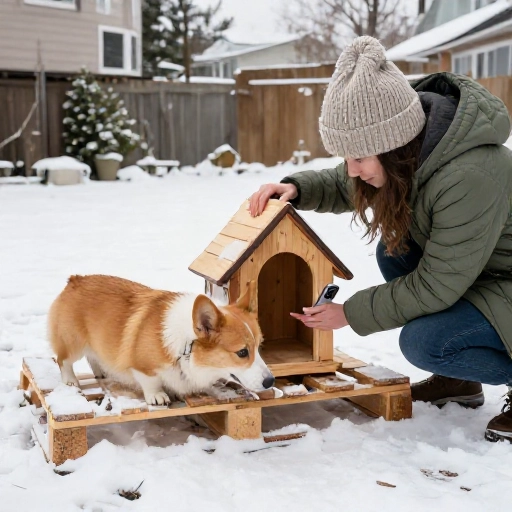
Cold ground sucks warmth right out of a dog house. I put my dog’s house on a wooden pallet I got for free from a local store.
You can also use bricks, concrete blocks, or a simple wooden platform. Just make sure it’s stable and won’t wobble.
Raising the house keeps the floor warmer and stops snow from piling up against the bottom. It also helps with moisture and rot.
Pick a Size That’s Snug but Not Too Tight
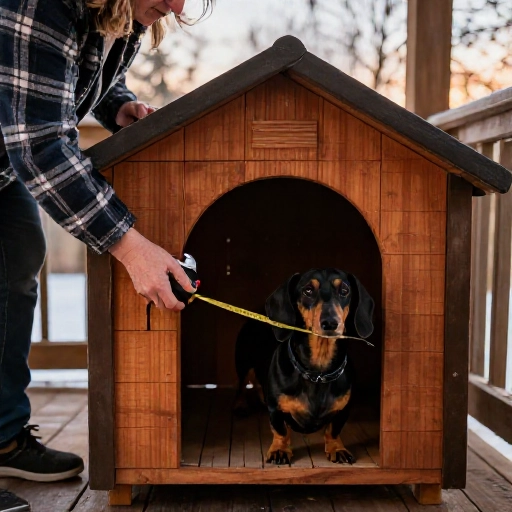
A giant dog house feels like an ice box. Dogs warm up small spaces with their own body heat, so size really matters.
I measured my dog while he was lying down and added a few inches. He needs to stand up and turn around comfortably, but not much more.
If the house is too big, I added a partition or stuffed an old blanket in the extra space to shrink the area. That little trick saved me from buying a new house.
Install a Windproof Door Flap
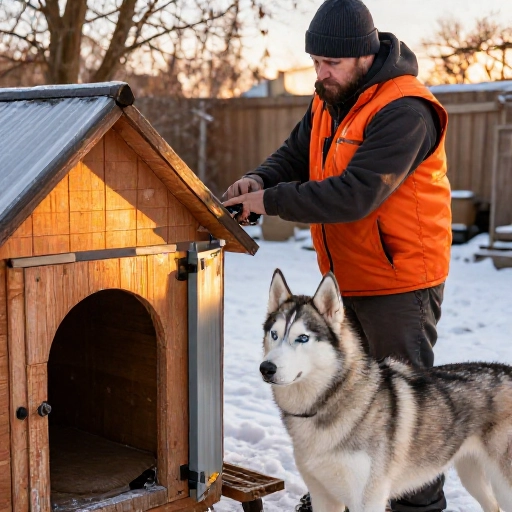
Wind is the enemy of warmth. A simple flap made from heavy rubber or thick fabric blocks drafts like a charm.
I used a piece of conveyor belt I found at a hardware store. It’s flexible enough for my dog to push through but tough enough to last.
Make sure the flap is a bit longer than the doorway so it seals well at the bottom. My pup figured it out in a day.
Use Safe Heating If You Need Extra Warmth
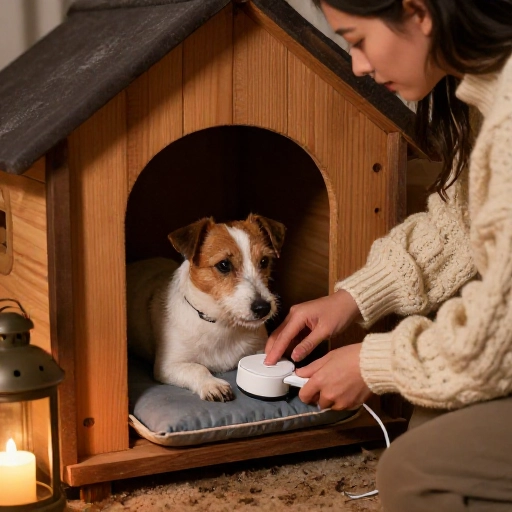
In extreme cold, a heated pad can be a lifesaver. But safety always comes first.
I chose a low-wattage pet heating pad with a chew-resistant cord. I placed it under a blanket so it’s not directly against his skin. That way he can move away if he gets too warm.
Never use a space heater inside a dog house. It’s a fire hazard and can burn your dog. Stick to pet-safe heating mats made for outdoor use.
Layer Up the Bedding for Maximum Coziness
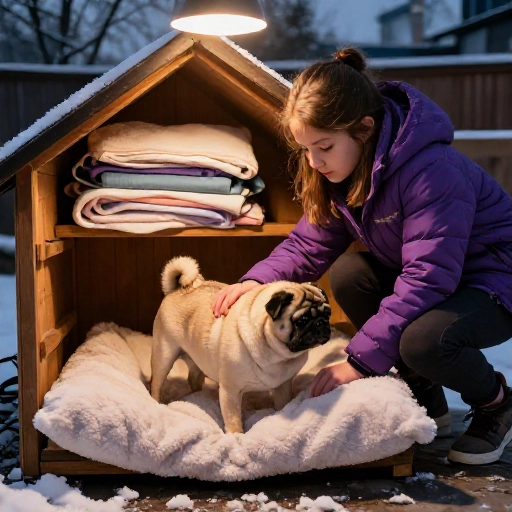
Bedding is your dog’s first line of defense against the cold. I use a combination of straw and fleece.
Straw is amazing because it repels moisture and traps heat. Fleece adds softness and extra insulation. Together, they create a warm nest.
Avoid blankets that soak up water. Damp bedding is worse than no bedding at all. I check my dog’s bedding every morning and replace anything that feels wet.
Weatherproof the Roof and Exterior
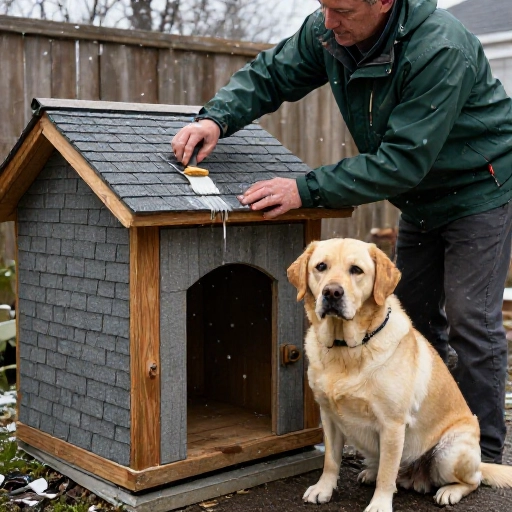
A leaky roof or drafty walls ruin everything. I sealed gaps with caulk and added a shingle roof for extra protection.
An overhang helps keep snow and rain away from the door. I extended the roof by a few inches on all sides.
I also painted the exterior with a non-toxic waterproof sealant. It adds another layer against moisture and wind. My dog house has survived two winters without a single leak.
Position It to Catch Sun and Block Wind
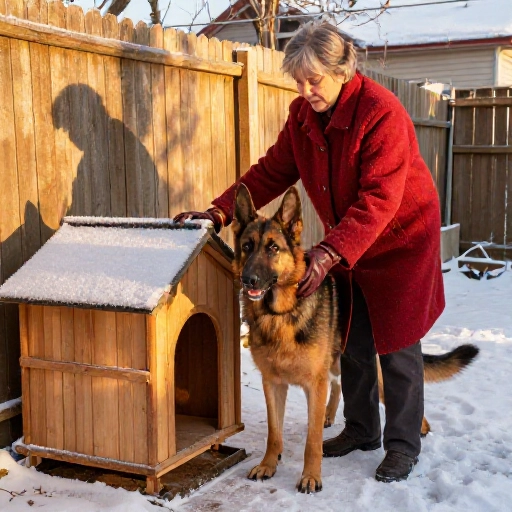
Where you put the dog house matters more than you think. I placed mine facing south to get the most sun during the day.
I also put it near a wall or fence to block prevailing winds. In my yard, that’s the north side. The difference in temperature inside was surprising.
In summer, you can move it to shade. But for winter, sun and wind protection are key. Watch how the sun moves across your yard before you settle on a spot.
Ventilate Without Creating a Draft
You might think you need to seal every crack, but dogs need fresh air. Moisture builds up inside and can cause respiratory issues.
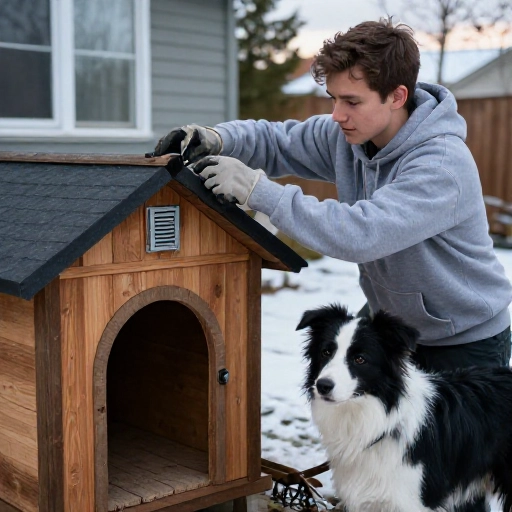
I drilled a few small holes near the top of the walls and covered them with mesh. Warm air escapes, but cold air doesn’t blow in.
This also prevents condensation from making the bedding damp. It’s a small step that keeps the air healthy and dry.
Check on Your Pup Regularly
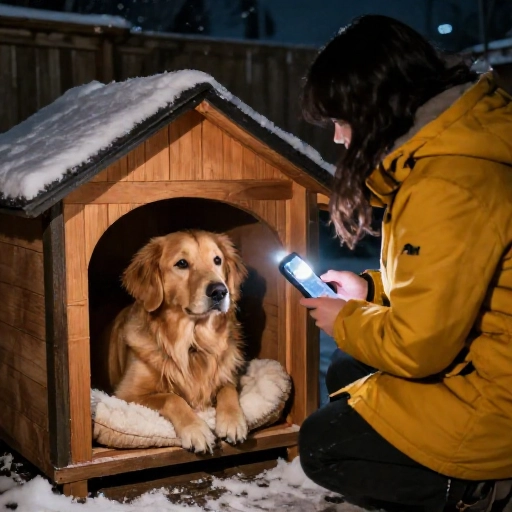
No matter how great the dog house is, you still need to check on your dog. I go out every few hours during cold snaps.
Look for signs of shivering, lethargy, or ice on their whiskers. If they seem cold, bring them inside right away.
A warm dog house is great, but your attention is the best heat source. My dog gets extra cuddles on chilly days, and I wouldn’t have it any other way.
Conclusion
Building a winter dog house that keeps your pup warm doesn’t have to be expensive or complicated. With insulation, proper placement, and cozy bedding, your dog can enjoy the outdoors safely.
I’ve seen my pup curl up happily even on snowy days. It gives me peace of mind knowing he’s comfortable when he wants to be outside.
Remember, every dog is different. What works for my dog might need tweaking for yours. Stay warm out there!
Frequently Asked Questions
Q: How cold is too cold for a dog house?
A: It depends on your dog’s breed, age, and health. In general, if it drops below 20°F (-6°C), I bring my dog inside. Small, short-haired, or senior dogs get cold faster.
Q: Can I use hay instead of straw?
A: Hay is food for animals and holds moisture. Straw is hollow and repels water better. Stick with straw for bedding.
Q: What if my dog won’t use the door flap?
A: Try holding the flap open for a few days and lure them in with treats. Most dogs catch on quickly. You can also cut the flap into strips so it’s less intimidating.
Q: Do I need electricity for a winter dog house?
A: Not necessarily. Good insulation and bedding can be enough. If you do use electricity, choose pet-safe products and check cords often.
Q: How often should I change the bedding?
A: I check daily and replace wet or soiled bedding immediately. A full change every week or two keeps things fresh and dry.