Small Yard? Try These 10 Clever Side Yard Dog Runs That Actually Look Good
Let’s be real—having a small yard doesn’t mean your dog has to miss out on zoomies. But if you’ve got that awkward, narrow strip of grass running alongside your house, you might be staring at a wasted space. I’ve been there. That shady, tight alley between the fence and the garage felt useless until I realized it was the perfect spot for a dedicated dog run.
The secret is working with the space you have, not against it. A side yard dog run isn’t just about throwing down some gravel and calling it a day. It’s about creating a safe, functional, and even pretty area where your pup can do their business or burn off energy without taking over your whole backyard. Here are ten clever ideas I’ve gathered that turn that skinny strip into your dog’s favorite spot.
1. The Gravel & Paver Combo
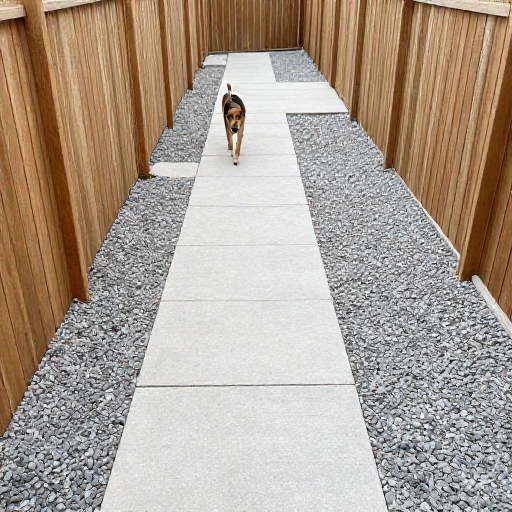
Mud is the enemy of a side yard. If you just let your dog run on dirt, you’ll be cleaning muddy paw prints off your floors every single day. A mix of compacted gravel and large stepping stones solves that problem instantly. The gravel drains well, and the pavers give your pup a solid path to run on.
I like using pea gravel for the base because it’s easy on their paws. Place large, flat flagstones in a winding path so your dog can follow them. It looks intentional, almost like a garden walkway, rather than a prison corridor.
Just make sure you lay down a weed barrier fabric underneath. Trust me, you do not want to be pulling weeds out of that gravel every weekend.
2. Recycled Rubber Mulch for Safety
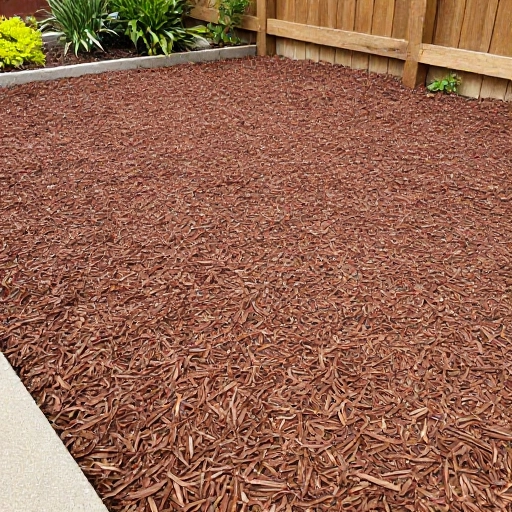
If your dog is a sprinter, they’re going to slide into the fence at the end of the run. That’s where rubber mulch comes in. It’s bouncy, soft, and provides way more grip than regular wood chips. It’s a bit pricier, but it’s a one-time cost that lasts for years.
The best part? It doesn’t rot or attract bugs like wood mulch does. It also comes in a bunch of colors, so you can match it to your exterior paint or fence stain. I went with a dark brown, and it honestly looks like premium landscaping.
You’ll need a decent amount to get a good depth (about 2-3 inches), so measure your side yard carefully before ordering.
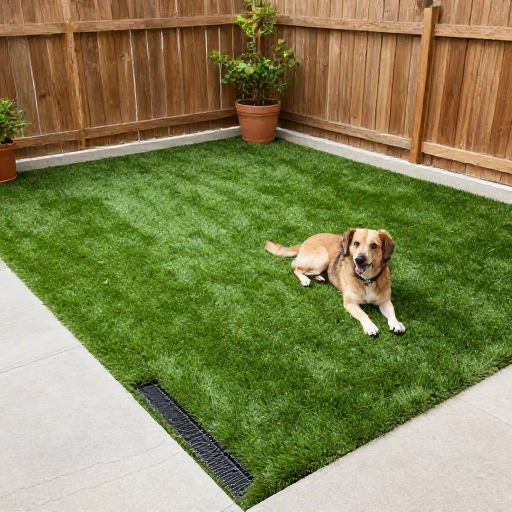
3. Artificial Turf with a Drainage Layer
This is the “wow” option. If you want the look of a lush green lawn without the upkeep, artificial turf is the way to go. But here’s the catch: you cannot just lay it on the dirt. You need a proper base layer of crushed stone and a drainage system underneath, or it will smell like urine.
I installed a DIY kit that included a shock pad underneath. It feels great underfoot, and my dog loves rolling around on it. It’s also super easy to clean—just hose it down and use a pet-friendly enzyme cleaner once a week.
It’s an investment, but if you have a dog that hates getting wet paws on dewy grass, this is a game-changer.
4. The “Doggy Door” Direct Access
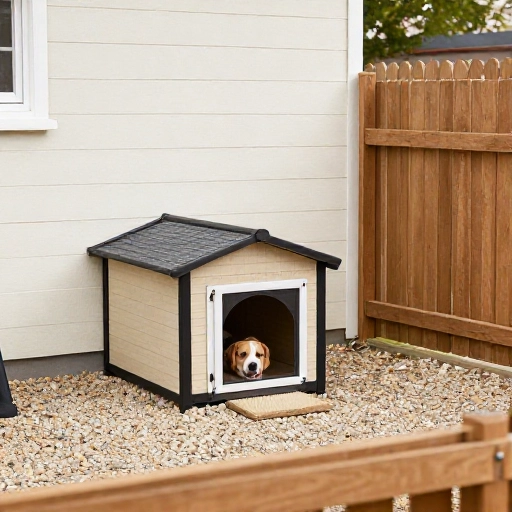
Why walk your dog out the front door when they can have their own private entrance? If your side yard connects directly to the house, install a dog door in the wall or a side door. This gives them 24/7 access to their run, which is perfect for potty training or for those days you’re stuck in a meeting.
You’ll want to make the run as comfortable as possible since they’ll be using it alone. Think of it as their personal bathroom. Keep it clean, add a water station if you can, and make sure there’s shade coverage.
This setup basically turns your side yard into an extension of the house. It’s super convenient, and honestly, my dog thinks she’s the queen of the castle now.
5. Vertical Space: Trellis & Climbing Plants
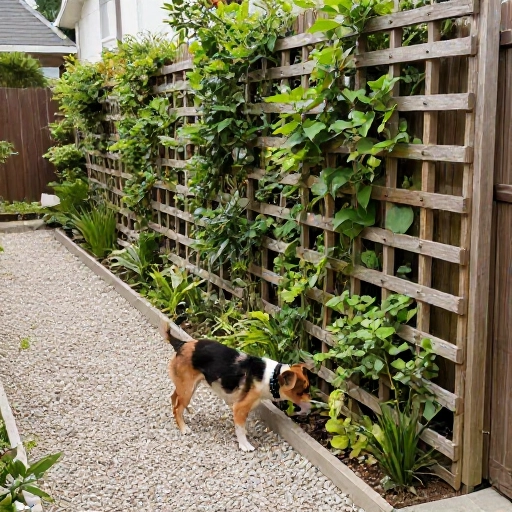
Narrow spaces feel claustrophobic for both you and your dog. The trick is to draw the eye upward. Install a wooden trellis along the fence line and plant some climbing vines like jasmine or clematis. This softens the hard lines of the fence and makes the space feel like a secret garden.
It’s not just for looks—the dense foliage also acts as a sound barrier. If your dog barks at neighbors walking by, this green wall helps muffle the noise and blocks their view, which reduces the urge to bark.
Just be sure to pick non-toxic plants. You don’t want your dog nibbling on something that’s going to upset their stomach.
6. Shade Sails for Hot Afternoons
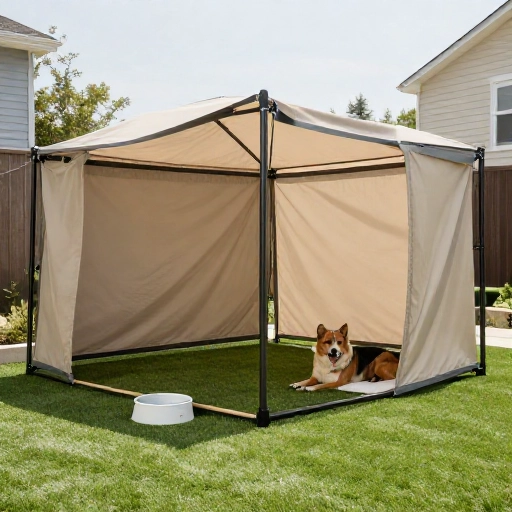
Side yards often get zero shade because they’re boxed in by the house and fence. On a hot day, that concrete or gravel can get scorching. A shade sail is the perfect solution. It’s a modern-looking fabric canopy that you can angle to block the sun during peak hours.
They’re surprisingly easy to install. You just need a few heavy-duty eye bolts anchored into the house or fence posts. I recommend getting a light-colored sail—it reflects heat better and brightens up the space.
This is a game-changer for summer. My dog used to rush through her business in the heat; now she actually lounges out there.
7. The “Potty Patch” with a Planter Box
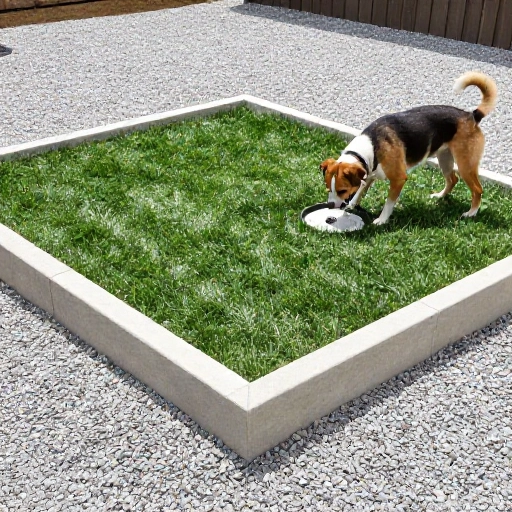
Let’s talk about the potty zone. Instead of letting your dog pee all over the entire run (which kills the grass and smells), designate a specific corner for it. Build a raised planter box filled with sand or a special dog-friendly grass mix.
You can train your dog to use this specific spot. It makes cleanup a breeze—just scoop it like a litter box. I added a small decorative fence around it to visually separate the potty area from the running area.
This keeps the rest of the run clean for playing. Plus, you can flush the solids or toss them in the compost if you’re feeling eco-friendly.
8. DIY Agility Course on a Budget
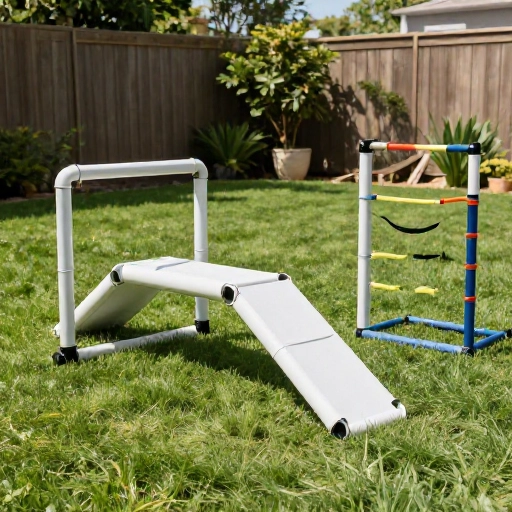
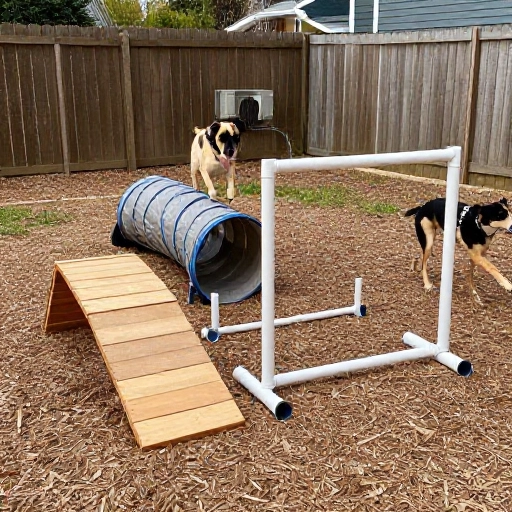
You don’t need a huge yard for agility. You just need a straight line. A side yard is actually perfect for a mini agility course. Set up a few low jumps using PVC pipes and a tunnel made from a reinforced fabric tube.
Keep it simple. A couple of weave poles (you can use PVC pipes stuck in buckets of sand) and a pause box is plenty. It’s a great way to physically and mentally tire out a high-energy dog.
I love that I can pack it all away if I need the space for something else. It turns the boring walkway into a fun obstacle course that my dog gets excited about.
9. Privacy Fence Toppers
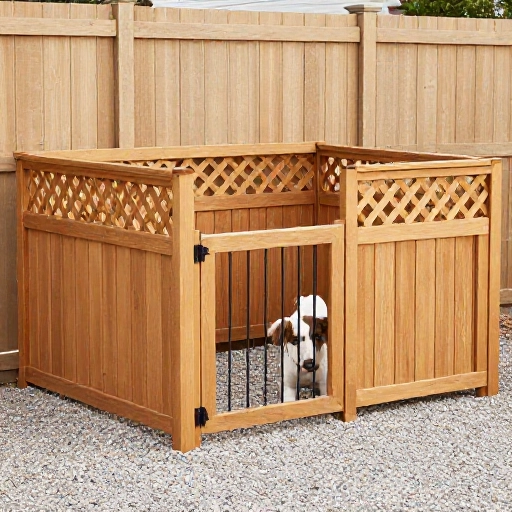
If your side yard faces a busy street or a nosy neighbor, your dog is going to be on high alert. That leads to constant barking. Adding a privacy topper to your existing fence is a cheap and effective fix. You can use lattice panels or even just some bamboo fencing rolled over the top.
This blocks the visual triggers. Your dog can’t see the mailman, so they don’t feel the need to guard the perimeter. It also makes the space feel more secure and cozy for them.
It’s a simple weekend project that makes a huge difference in your dog’s stress levels. Plus, it adds a bit of charm to the side of the house.
10. Lighting & Night Visibility
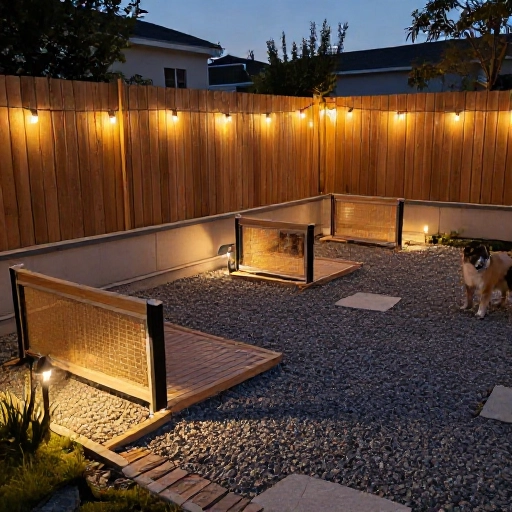
Winter evenings come fast, and you don’t want to be stumbling around in the dark trying to find your dog. Add some solar-powered path lights along the edge of the run. They charge during the day and automatically turn on at dusk.
String lights are another cute option. Hang them along the top of the fence to create a warm, inviting glow. It makes the side yard feel like part of your outdoor living space instead of a forgotten alley.
Good lighting also helps you spot any potential hazards, like a hole your dog dug or a toy they left out. It’s practical and pretty.
Final Thoughts: Make It Theirs
Your side yard might be small, but it has massive potential. The key is to make it functional for your dog and visually pleasing for you. Start with a solid base (gravel or turf), add some shade, and then sprinkle in the fun stuff like toys and plants.
Don’t be afraid to mix and match these ideas. You could do the gravel base with a trellis and some string lights. The goal is to create a space where your dog feels safe and happy, even if it’s just a skinny strip of land.
Once you see your pup zooming down that narrow path, tail wagging, you’ll wonder why you didn’t do it sooner. Happy building!
Frequently Asked Questions
How big should a side yard dog run be?
A good rule of thumb is that the run should be at least 6 feet wide and twice the length of your dog. So, for a medium dog, about 10-12 feet long is a good minimum. It gives them enough room to stretch their legs and turn around comfortably.
What is the best ground cover for a dog run?
It depends on your dog. Pea gravel is excellent for drainage and is easy on paws. Recycled rubber mulch is the best for safety and cushioning. Artificial turf is the most comfortable and cleanest, but it requires a proper installation base.
How do I stop the smell of dog urine in a gravel run?
You need to flush the area regularly with water to dilute the urine. You can also use a hose-end sprayer with a pet-safe enzyme cleaner once a week. Avoid using bleach, as it can be harmful to dogs and won’t actually break down the urine compounds.
Can I train my dog to only use one part of the side yard?
Absolutely. Start by taking them to that specific spot on a leash every time they need to go. Use a command like “go potty” and reward them heavily when they go in the right place. Clean the rest of the yard thoroughly to remove any lingering scents.
Is it okay to leave my dog in a side yard run all day?
It depends on the dog and the weather. They shouldn’t be left out in extreme heat or cold. If you’re using it as a potty break area, it’s fine. But if they’re out there for hours, make sure they have fresh water, shade, and something to do to prevent boredom.